
Vaux-sur-Sûre (Belgium)
Vaux-sur-Sûre is a rural municipality in the province of Luxembourg, Wallonia, Belgium, known for its Sûre River setting, Ardennes landscape, small villages and local agricultural economy.
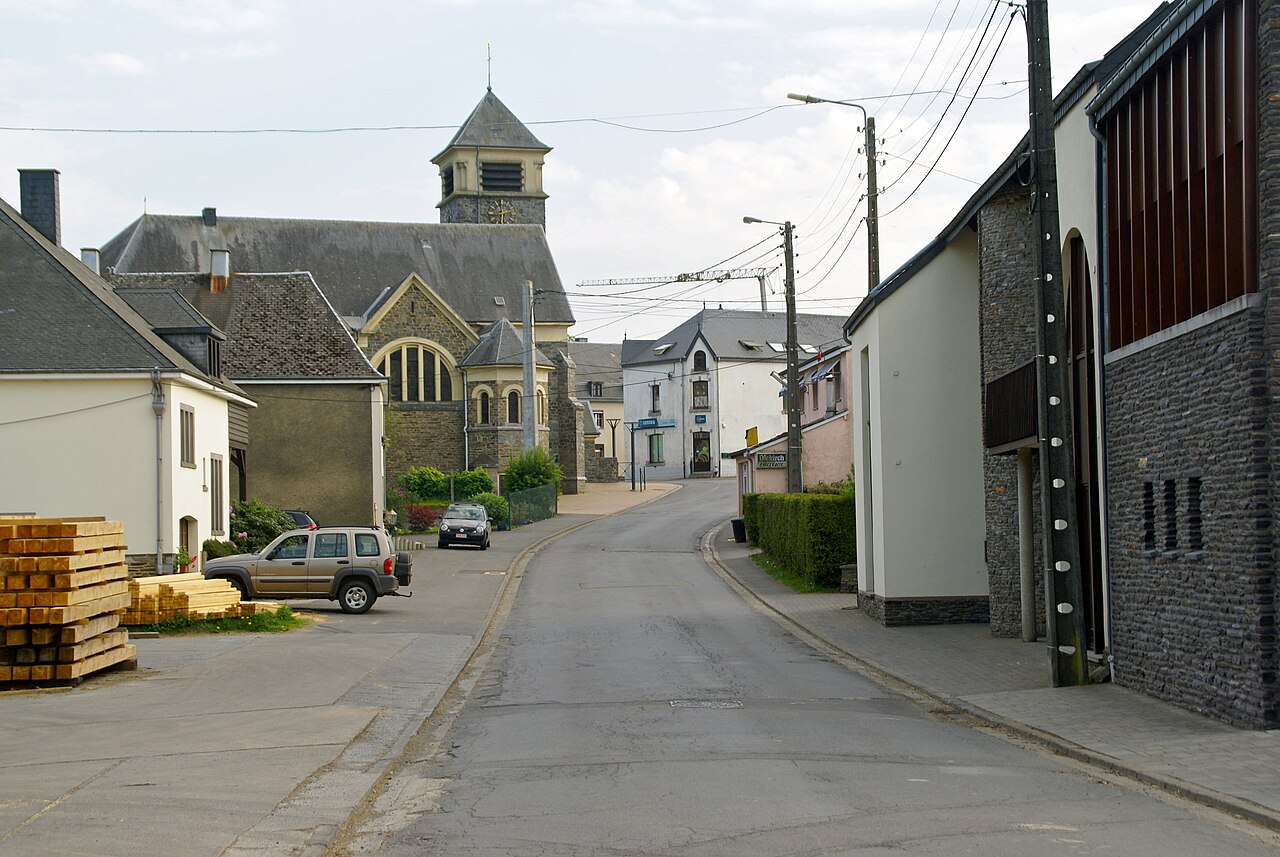
Vaux-sur-Sûre is a municipality in the Walloon part of Belgium, located in the province of Luxembourg. It takes its name from the nearby Sûre (Sauer) river and forms part of the broader Ardennes landscape in southeastern Belgium. The municipality lies at about 49°54′N, 5°34′E and had a population of approximately 4,759 in 2007.

Image gallery
3 Images

Location and administration
Administratively Vaux-sur-Sûre is one of many local councils within the Belgian state (Belgium) and functions as a local municipal authority (municipality) responsible for basic services and planning. The area includes several villages and hamlets clustered around agricultural land, woodland and watercourses that drain toward the Sûre river basin (Luxembourg).
Landscape, economy and uses
The surrounding terrain is typical of the Ardennes region: rolling hills, mixed forests and small farms. Local economic activity is largely rural and diversified — agriculture, forestry, small-scale manufacturing and services for residents. Outdoor recreation such as walking, cycling and river activities attracts visitors seeking countryside leisure rather than mass tourism.
History and cultural notes
The settlement history follows the general pattern of the region: small, dispersed farming communities with medieval roots and gradual administrative consolidation into modern municipalities. Like much of the Ardennes, the area saw strategic activity during the major 20th-century conflicts and retains memorials, parish churches and locally important heritage sites that reflect village life over centuries.
Key features and practical information
- Rural character with several constituent villages and hamlets rather than a single large town.
- Located in the province of Luxembourg within the Walloon Region of Belgium.
- Outdoor and nature-based visitor opportunities: hiking, cycling and riverside walks.
- Local administration provides community services and maintains cultural landmarks.
Vaux-sur-Sûre illustrates the small-municipality profile common to Belgium’s southern provinces: close ties to landscape and agriculture, modest population, and local identity shaped by geography and history. For municipal services, maps or current statistics, consult local government resources or regional guides linked from official portals and tourism offices.
Related articles
Author
AlegsaOnline.com Vaux-sur-Sûre (Belgium) Leandro Alegsa
URL: https://en.alegsaonline.com/art/104405
Sources
- statbel.fgov.be : Werkelijke bevolking per gemeente op 1 januari 2007 / Population de droit par commune au 1 janvier 2007 (.xls)
- statbel.fgov.be : Geografische coördinaten van de gemeenten (.xls)
- commons.wikimedia.org : Vaux-sur-Sûre