
Bemidji, Minnesota: Overview, History, and Cultural Highlights
Bemidji is a small city in northern Minnesota known for its lakes, outdoor recreation, Paul Bunyan folklore, Bemidji State University, and its role as a regional service and cultural center.
Overview
Bemidji is a regional city in northern Minnesota and serves as a local hub for government, education and tourism. It is the county seat of Beltrami County and lies on the shore of Lake Bemidji, where the Mississippi River flows through. The city combines small‑city services with access to forests and lakes characteristic of the upper Midwest.
Image gallery
10 Images


History and name
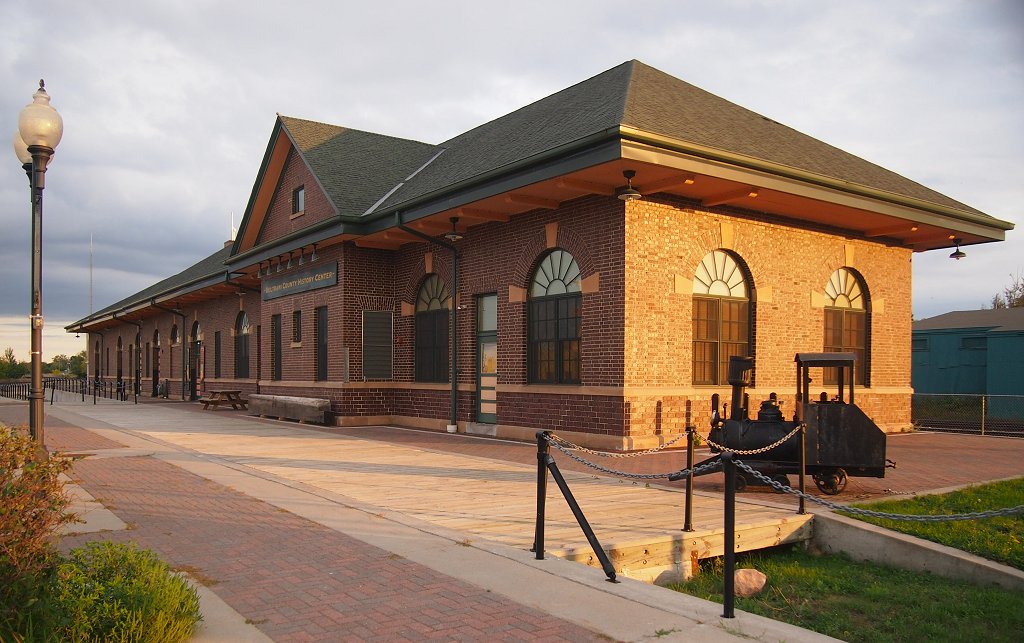
The community developed in the late 19th century and was formally established in the 1870s. Its name is derived from an Ojibwe word referring to the lake and river that meet there; indigenous presence and logging-era settlement shaped its early growth. Rail lines and timber harvesting brought population and commerce, while later decades diversified the local economy.
Geography and climate
Bemidji sits amid a landscape of lakes, rivers and boreal‑transition forest. The climate is continental with cold winters and warm summers, making the area a year‑round destination for seasonal outdoor activities such as fishing, snowmobiling and cross‑country skiing.
Institutions, economy and transport
Key institutions include Bemidji State University and regional health and cultural centers. The economy blends education, health care, tourism, retail and outdoor recreation. Transportation is centered on state highways and a regional airport; services support surrounding rural communities.
Culture, recreation and notable facts
Bemidji is known for its roadside statues of Paul Bunyan and Babe the Blue Ox near the lakeshore, a popular photo spot. Annual festivals, arts venues and lakeside parks attract visitors. The city is referenced in popular culture and has appeared in regional storylines, including mentions in the television series Fargo. For more local information see Minnesota state resources.
- Outdoor recreation: boating, fishing and snow sports
- Education: Bemidji State University and regional colleges
- Cultural attractions: museums, festivals and the Paul Bunyan landmarks
Related articles
Author
AlegsaOnline.com Bemidji, Minnesota: Overview, History, and Cultural Highlights Leandro Alegsa
URL: https://en.alegsaonline.com/art/10429