
Bend, Oregon — Central Oregon city and outdoor hub
Bend is a city in central Oregon known for year-round outdoor recreation, a high-desert landscape near the Cascade Range, a growing craft-beer and cultural scene, and proximity to volcanic and alpine attractions.
Overview
Bend is a city in central Oregon, in the United States. It lies along the Deschutes River on the eastern slopes of the Cascade Range and serves as a regional center for residents and visitors to central and eastern Oregon. The community combines small-city services with easy access to wilderness and mountain environments.
Image gallery
10 Images




Landscape and climate
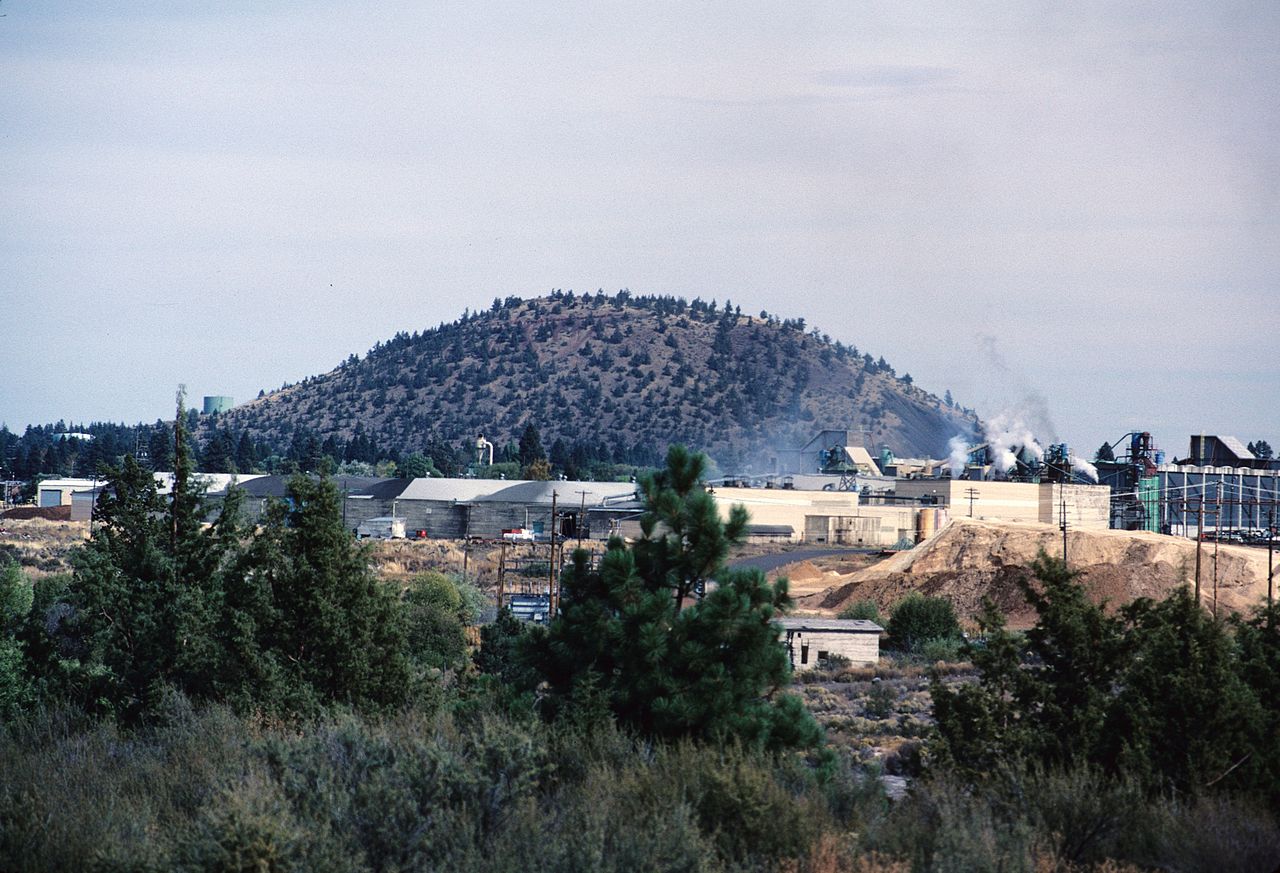
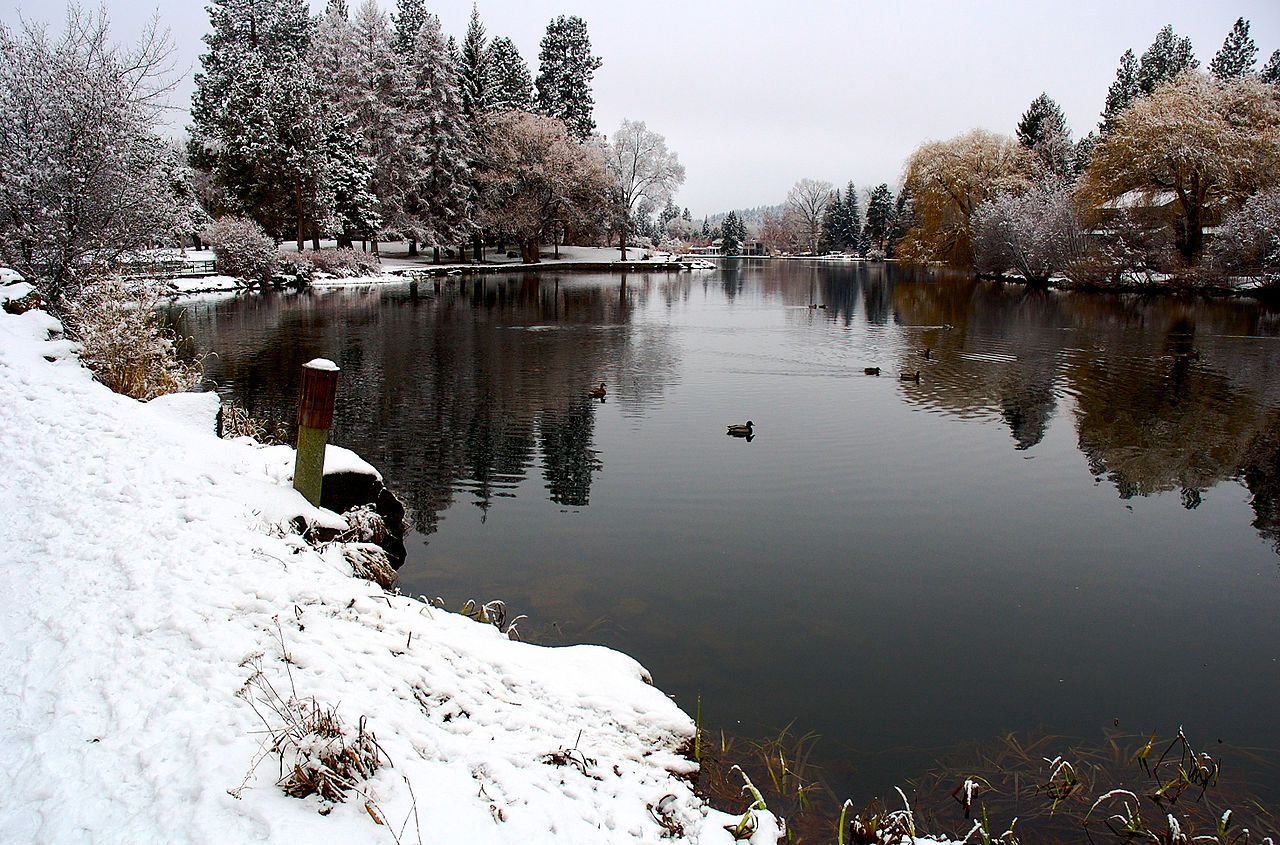
The city occupies a transition zone between high desert and montane forest. Ponderosa pines, volcanic rock, lava flows and river canyons shape the local terrain. Summers are generally warm and dry, while winters bring cold temperatures and snowfall in nearby mountains. That mix of conditions supports a wide variety of outdoor pursuits.
History and development
Before Euro-American settlement the area was used for hunting, fishing and seasonal travel by Native American peoples. Euro-American settlement expanded in the 19th and early 20th centuries with sawmills and ranching. Over the later 20th and early 21st centuries Bend shifted from a timber-based economy toward tourism, recreation, and service industries and experienced significant population and economic growth.
Economy, culture and civic life
Bend's economy is shaped by tourism, outdoor recreation businesses, hospitality, and a growing professional and remote-work population. The city has a lively cultural scene with music venues, galleries, festivals and a notable craft-brewing community. Local institutions support outdoor education, conservation and arts programming.
Recreation and attractions
Popular activities include skiing and snowboarding at nearby Mount Bachelor, mountain biking on extensive trail networks, rock climbing at nearby cliffs, river activities on the Deschutes, fishing, and hiking. Nearby public lands and geological sites — including volcanic features and alpine lakes — draw visitors year-round. Notable nearby destinations include Smith Rock and the Newberry volcanic area.
Notable facts and challenges
Bend is often recognized for its quality-of-life appeal, outdoor amenities and craft-beer scene, but growth has also brought higher housing costs, traffic and questions about balancing development with wildfire risk and natural-resource protection. The city continues to build infrastructure and policies to manage tourism, growth and environmental stewardship.
For basic reference about the state and country context see Oregon.
Related articles
Author
AlegsaOnline.com Bend, Oregon — Central Oregon city and outdoor hub Leandro Alegsa
URL: https://en.alegsaonline.com/art/10471
Sources
- commons.wikimedia.org : Bend, Oregon
- sos.oregon.gov : Listing for Bend
- bendchamber.org : Bend Chamber of Commerce
- visitbend.com : Bend Visitor and Convention Bureau