
Valdivia — city of rivers and temperate rainforests in southern Chile
Valdivia is a southern Chilean city and the capital of Los Ríos Region, known for its river network, temperate rainforests, German heritage, university, and severe impact from the 1960 Great Chilean Earthquake.
Overview
Valdivia is a coastal and riverine city in southern Chile, serving as the administrative center of the Los Ríos Region. The region's Spanish name, Región de Los Ríos, reflects the importance of waterways to the area's geography and identity. Valdivia is widely remembered for being among the urban areas most strongly affected by the Great Chilean Earthquake, an event that reshaped coastlines, rivers and local communities.
Image gallery
10 Images



Geography and environment
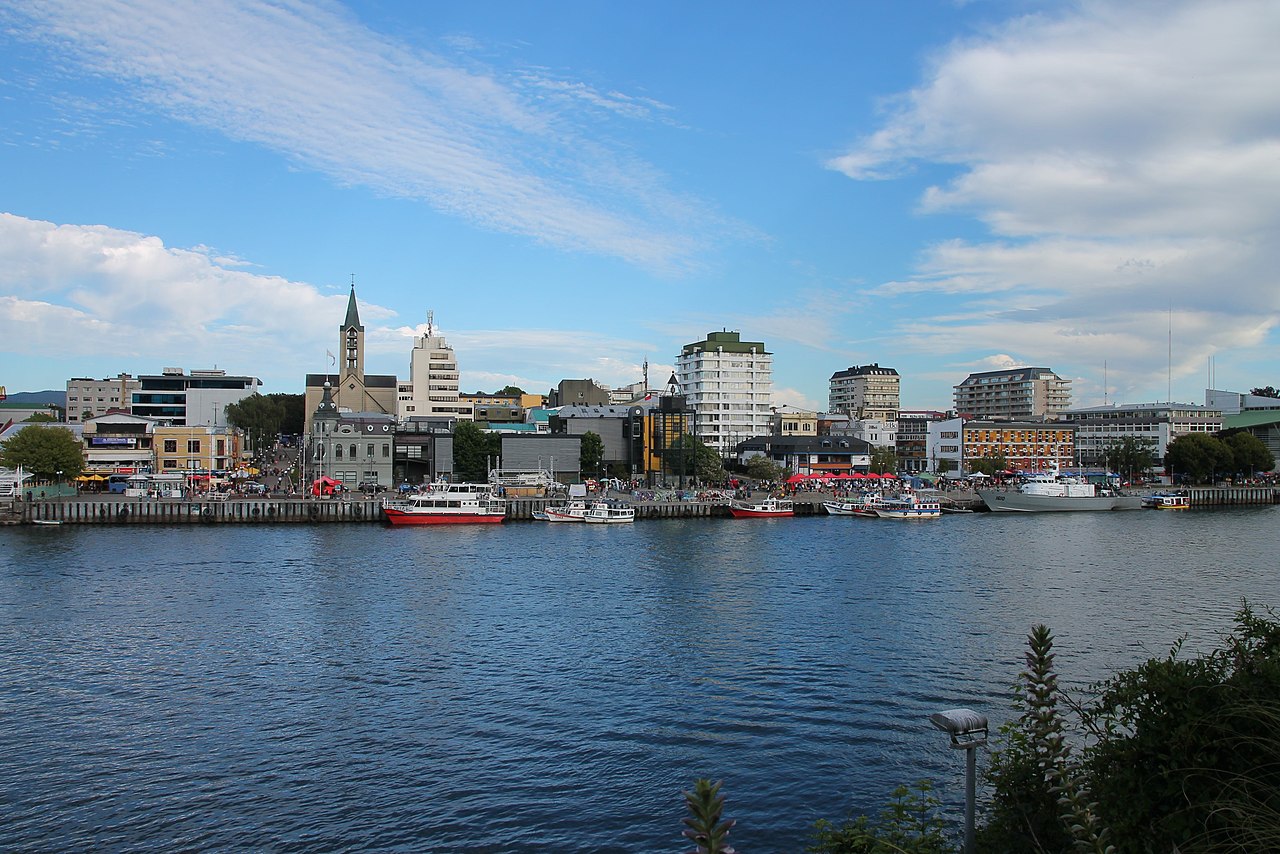
Built where several rivers meet and flow toward the Pacific, Valdivia sits amid wetlands, estuaries and the temperate Valdivian rainforest ecoregion. The surrounding landscape combines dense evergreen forests, marshes and a network of navigable rivers that historically supported fishing, transport and trade. The climate is generally maritime and wet, with mild temperatures and frequent rainfall that sustain a rich assemblage of native flora and fauna.
History and development
The settlement has a long colonial and indigenous history. Spanish colonists established a fortified town in the 16th century, and over the centuries it experienced conflict, reconstruction and waves of immigration. In the 19th century, European—particularly German—immigration influenced local architecture, agriculture and industry. In recent decades Valdivia became the seat of the newly constituted Los Ríos administrative region, reflecting its continuing regional importance.
Economy, education and culture
Valdivia's economy combines forestry and wood processing, university-led research, port activities, fisheries and tourism. The city is home to a major university that contributes to scientific research in ecology, forestry and marine sciences, and it has developed a lively cultural scene. Local festivals, artisanal markets and a small but well-known craft brewing tradition reflect Valdivia's cultural mix and appeal to both residents and visitors.
Notable events and environmental issues
The 1960 earthquake and subsequent tsunamis caused dramatic subsidence and flooding in Valdivia, shaping modern urban planning and disaster awareness. Industrial development, including pulp and wood processing plants in the wider region, has provoked public debate about water quality, wetland protection and sustainable land use. Conservation efforts focus on protecting the unique temperate rainforest and associated wetlands.
Sights and visitor activities
Visitors encounter river promenades, historic plazas and bridges, museum collections that explain the city's maritime and colonial past, and access points for forested trails. Typical activities include boat trips on the rivers, birdwatching in protected wetlands, sampling local seafood, and attending cultural events such as film and music festivals. Notable sites and experiences include:
- Riverside walks and boat excursions that show the confluence of local waterways.
- Museums and historic neighborhoods revealing colonial, indigenous and immigrant influences.
- Access to Valdivian temperate rainforest for hiking and nature observation.
- Local culinary and craft markets showcasing regional products and breweries.
As a regional hub, Valdivia combines natural richness with an active academic and cultural life, making it a focal point for those interested in southern Chile's environment, history and contemporary challenges.
Related articles
Author
AlegsaOnline.com Valdivia — city of rivers and temperate rainforests in southern Chile Leandro Alegsa
URL: https://en.alegsaonline.com/art/103948
Sources
- munitel.cl : "Asociación Chilena de Municipalidades"
- munivaldivia.cl : "Municipality of Valdivia"
- ine.cl : "National Statistics Institute"