
Belmont University
Private, coeducational university in Nashville, Tennessee, founded in 1890; enrolls about 6,000 students and is noted for programs in music, business, health sciences, and the arts.
Overview
Belmont University is a private, coeducational institution located in Nashville, Tennessee. Founded in 1890, it enrolls roughly six thousand undergraduate and graduate students and offers a mix of liberal arts, professional, and applied programs. The university operates on a compact urban campus and combines traditional academic offerings with vocational and industry-oriented training.
Image gallery
5 Images


Academic structure and programs
Belmont is organized into multiple colleges and schools that emphasize arts, business, health sciences, and communication. The campus is particularly known for programs that connect to Nashville's creative economy, including music and entertainment business training. Typical degree areas include:
- Music, music business, and performance
- Business administration and entrepreneurship
- Health professions and nursing
- Communication, media, and the arts
Campus, facilities, and student life
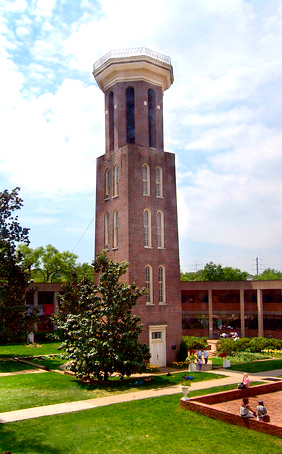
The university campus blends historic buildings and modern facilities. Students find a range of residential, recreational, and cultural resources, with active student organizations, performance venues, and partnerships that tap into Nashville's industry networks. Internship and career placement are emphasized, particularly in sectors tied to the city's entertainment and healthcare employers.
History and development
Established in the late 19th century, Belmont evolved from a small college into a comprehensive university through expansions in program offerings and campus facilities. Its history reflects a gradual shift from a regional liberal-arts focus toward professional education aligned with local economic strengths. Leadership over time has included figures such as Robert Fisher, who played a role in the institution's modern development.
Reputation and notable facts
Belmont is often recognized for its connection to Nashville's music and entertainment industries, its growing health sciences programs, and an emphasis on applied learning. The university maintains community and industry ties that support student internships, public performances, and collaborative projects. Prospective students commonly consider Belmont for hands-on training in creative, business, and healthcare fields.
For official information on admissions, programs, and campus life, consult the university site and local resources linked above to learn more about specific degrees, faculty, and student services.
Related articles
Author
AlegsaOnline.com Belmont University Leandro Alegsa
URL: https://en.alegsaonline.com/art/10384