
Universidade Federal de Minas Gerais — overview, structure, and role
Public federal university in Minas Gerais, Brazil, founded in 1927. UFMG is the state's largest higher education institution, known for broad research, health services, cultural activities and regional impact.
The Universidade Federal de Minas Gerais (UFMG) is a public federal university located in the state of Minas Gerais, Brazil. Founded in 1927, it grew into the largest higher education institution in the state and is widely regarded as one of the country's prominent universities. The institution maintains a principal presence in Belo Horizonte and serves students from across Brazil and abroad. For official resources see the university website.
Image gallery
5 Images


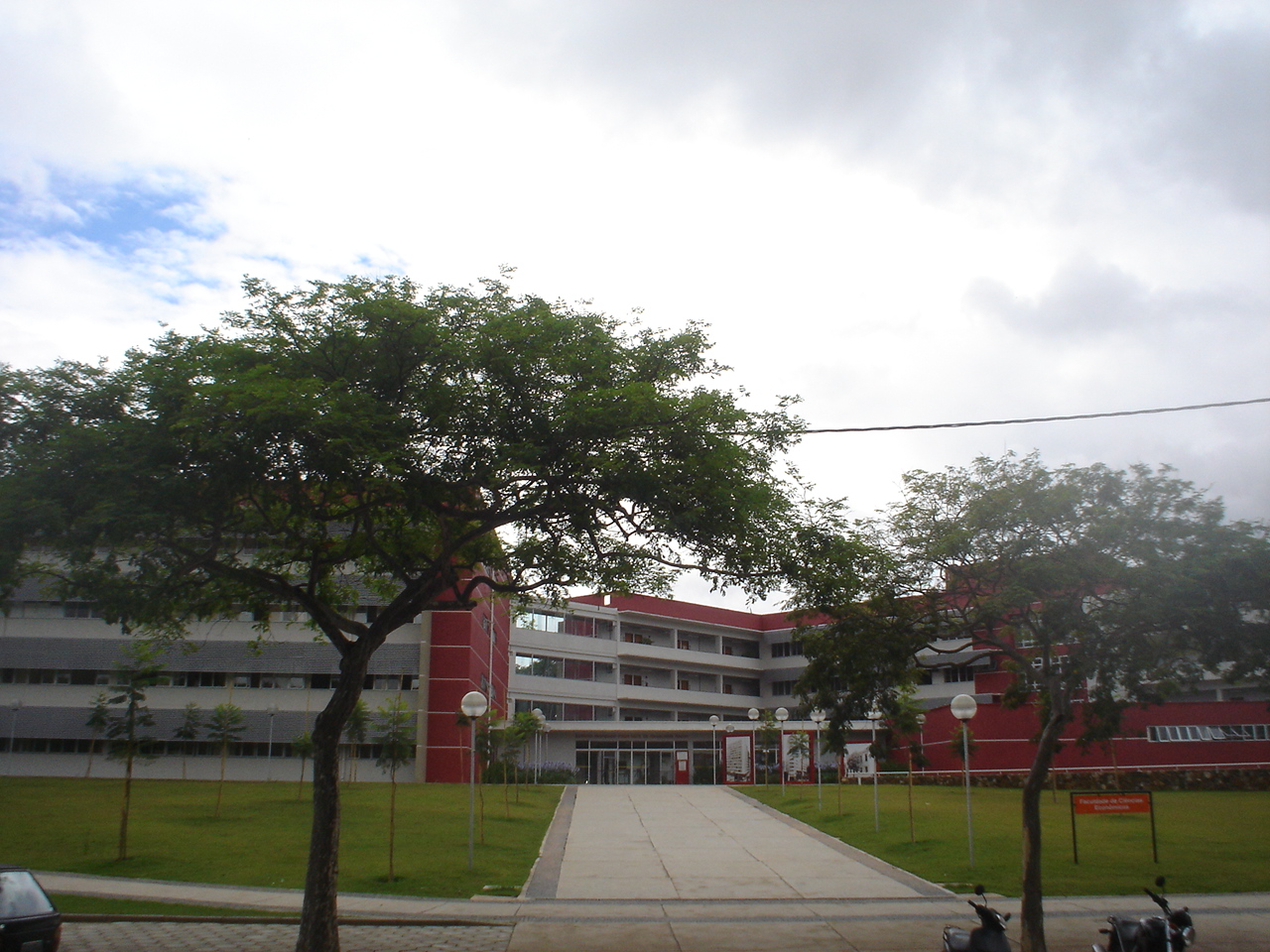

Scope and academic structure
UFMG covers a wide spectrum of undergraduate and graduate programs in the arts, sciences, engineering, health sciences and humanities. Its academic organization includes multiple faculties, institutes and professional schools that combine teaching with research and public-service missions. The university operates several campuses and facilities that host classrooms, laboratories, libraries and cultural centers. It also cooperates with institutions throughout Brazil and internationally.
Characteristics and facilities
- Teaching hospitals and clinics: UFMG supports health education and community care through affiliated hospitals and clinical services.
- Research centers: multidisciplinary institutes focus on areas such as biotechnology, materials science, social studies and environmental science.
- Cultural and public engagement: museums, theaters, galleries and extension programs connect scholarship with the wider public.
- Libraries and archives: collections serve students, researchers and citizens.
Historical development
The university originated in the early 20th century from a collection of professional schools and faculties, formally established in 1927. Over the decades it expanded its curricular offerings, research capacity and infrastructure to respond to regional development needs. Growth reflected broader trends in Brazilian higher education, including greater federal support and the creation of graduate programs that strengthened research output.
Research, outreach and reputation
UFMG is recognized for combining instruction with active research and social outreach. Its graduate programs and laboratories contribute to scientific publications, technological innovation and public policy advice. Extension activities promote education, health and cultural projects across Minas Gerais. Admission is competitive and typically managed by national selection systems and institutional processes. Contemporary accounts note the university's sustained influence on the state's intellectual and economic life; more on its origins and milestones can be found in historical summaries and archives linked from founding records and regional resources such as those covering Minas Gerais.
Related articles
Author
AlegsaOnline.com Universidade Federal de Minas Gerais — overview, structure, and role Leandro Alegsa
URL: https://en.alegsaonline.com/art/103183