
Uhlan: Polish light cavalry and lancer tradition
Uhlans were Polish-origin light cavalry known for fighting with lances; their style and name spread across 19th-century Europe and left a legacy in uniforms, tactics, and ceremonial units.
The uhlan originally denotes a type of Polish light cavalry renowned for mobility, scouting and shock action. Uhlans were particularly associated with the use of the lance, a long thrusting spear that remained a distinctive weapon for lancer troops through much of the 19th century. Their combination of speed, light equipment and close-combat weapons made them a recognized and imitated model across European armies.
Image gallery
10 Images



Characteristics and equipment
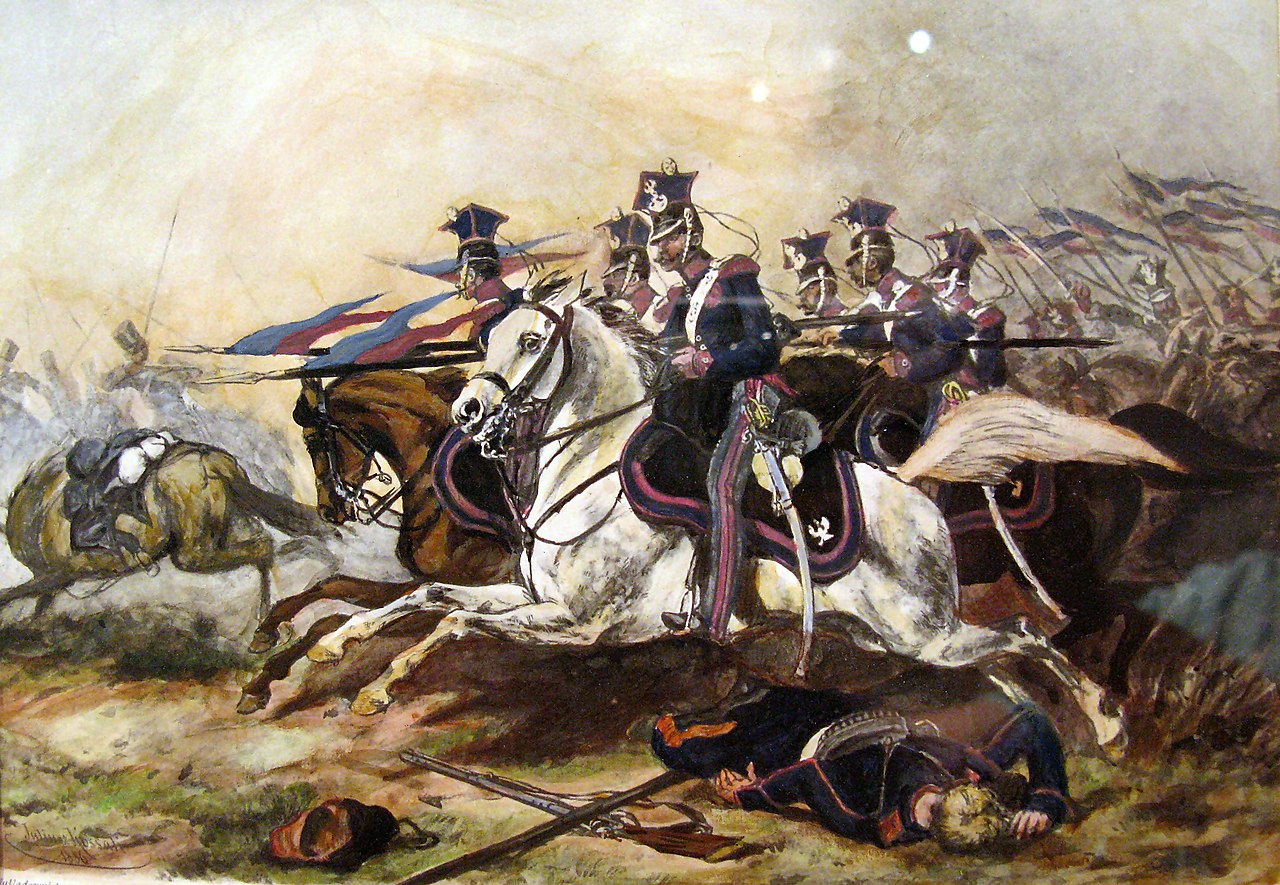
Uhlan regiments typically used a mix of lance, sabre and short firearm such as a pistol or carbine. Uniforms were often striking: many units adopted a high, four-cornered cap (the Polish czapka), a tunic with contrasting facings and a visible lance holster. As light cavalry, uhlans travelled faster and carried less heavy gear than heavy cavalry, trading armour and mass for reconnaissance ability and tactical flexibility.
Origins and historical development
The name "uhlan" appears in Polish and Lithuanian formations and is usually traced to Turkic or Tatar roots, reflecting contacts on the eastern frontiers of the Polish–Lithuanian Commonwealth. During the Napoleonic era and the wars that followed, the reputation of Polish lancer tactics spread; many European armies created their own lancer regiments, sometimes adopting the Polish name or retaining local equivalents.
Role, tactics and examples
In battle, uhlans performed reconnaissance, screening, raiding and the decisive shock charge when conditions favoured mounted action. Their lances were most effective in mass charges against vulnerable infantry or disordered formations. Throughout the 19th century uhlan-style units fought in the armies of Austria, Prussia, Russia, France and other states, and the name persisted in several languages as a synonym of lancer.
Decline and legacy
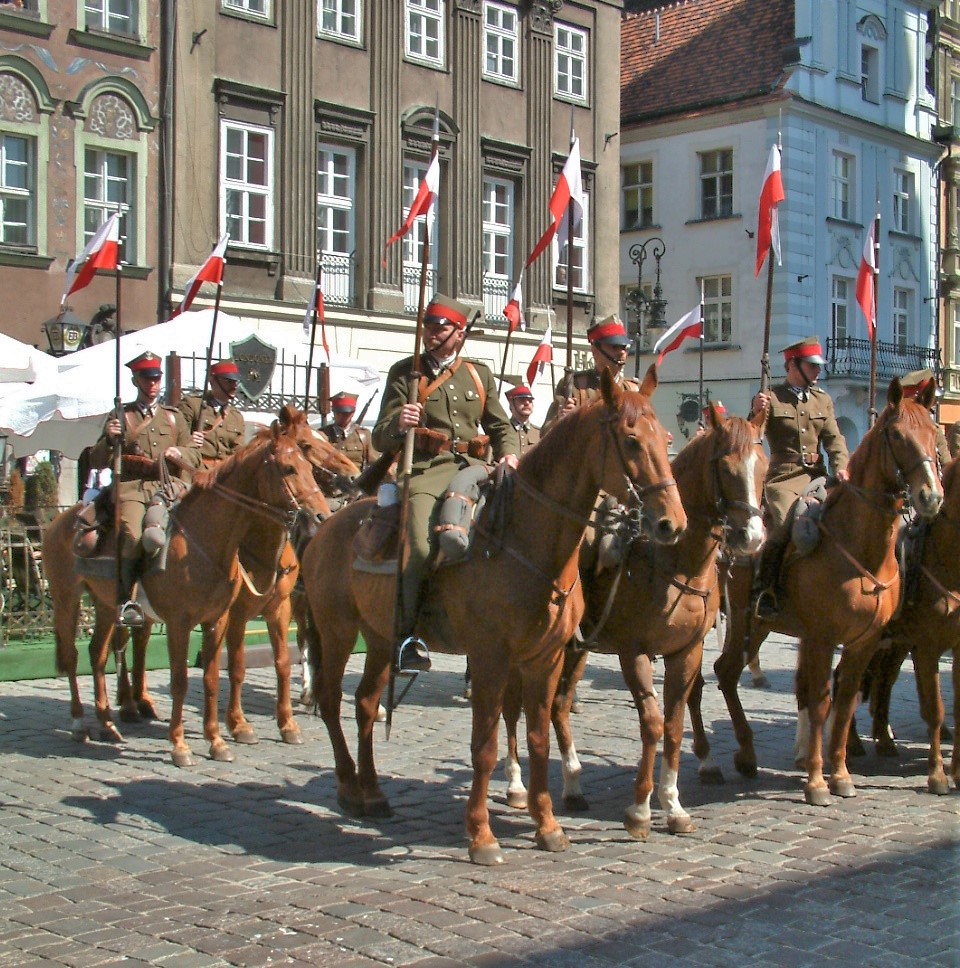
Advances in firearms, artillery and battlefield entrenchment gradually reduced the battlefield effectiveness of traditional cavalry charges. By the First World War, mounted units often shifted to dismounted roles or reconnaissance patrols, and many lancer regiments were re-equipped accordingly. Nevertheless, elements of uhlan dress, insignia and regimental traditions survived in interwar armies and modern ceremonial units, preserving the historical identity.
Notable distinctions
- Terminology: While "lancer" is the general English term, some armies retained the original name "uhlan" for certain regiments.
- Uniforms: The characteristic Polish czapka cap and colorful tunics made uhlans visually distinctive on parade as well as in period artwork.
- Cultural impact: Uhlans became a part of military fashion and folklore, symbolizing the mobility and elan of light cavalry in 19th-century Europe.
For a technical overview of light cavalry types and lance use, see related entries and sources on cavalry tactics and 19th-century military organisation. Further reading can be found through contemporary military histories and specialist studies of Polish cavalry tradition.
Related articles
Author
AlegsaOnline.com Uhlan: Polish light cavalry and lancer tradition Leandro Alegsa
URL: https://en.alegsaonline.com/art/102598