
Ufford, Suffolk
Ufford is a small village and civil parish in the county of Suffolk, England. It has historic roots, a rural character, and local community amenities; the 2001 population was 808.
Ufford is a village and civil parish in the east of England, located in the county of Suffolk. Historically it lay within the Suffolk Coastal district (Suffolk Coastal) and is part of the agricultural and settled landscape that characterises much of the Suffolk countryside. The parish has a long-established rural identity and a small, stable population.
Image gallery
3 Images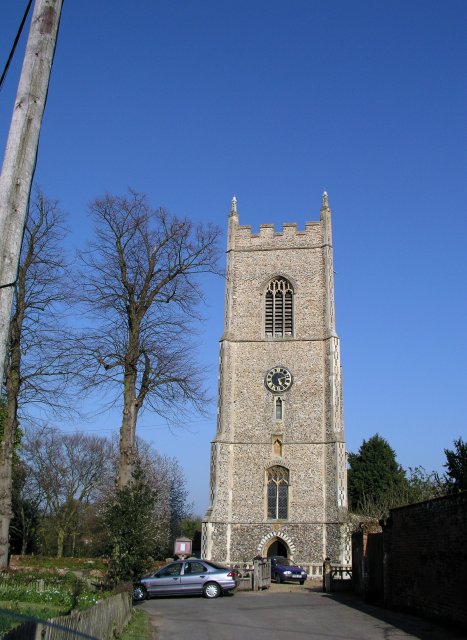


Origins and history
The place-name Ufford is of Anglo-Saxon origin and is usually interpreted as a personal name combined with the Old English word for a shallow river crossing (a "ford"). Like many English villages, its origins are medieval: the settlement grew up around farming, parish structures and the local road network. Surviving buildings and field patterns reflect development over several centuries.
Demography and governance
At the 2001 census the parish recorded 808 inhabitants. Local governance is exercised through a parish council, with services and planning overseen at district and county level. Administrative boundaries have evolved in recent years, but Ufford remains a distinct civil parish within Suffolk.
Character and amenities
Ufford retains a rural village character. Typical features include a parish church, residential clusters, and a mix of historic and modern houses. Local amenities commonly found in settlements of this size are a village hall or community centre, small shops or a public house, and green spaces used for recreation and community events.
- Historic buildings and listed structures that reflect local architecture
- Parish institutions such as church and village organisations
- Surrounding farmland and lanes linking to nearby market towns
Economically the parish is influenced by agriculture and by residents who commute to larger towns for work. Its setting near the Suffolk coast and market centres makes it typical of small East Anglian villages: historically rooted, largely residential today, and valued for landscape and community life. For those seeking local records or further details, county archives and local history groups provide more in-depth information.
Related articles
Author
AlegsaOnline.com Ufford, Suffolk Leandro Alegsa
URL: https://en.alegsaonline.com/art/102576
Sources
- neighbourhood.statistics.gov.uk : Neighbourhood Statistics