
Belize District
Belize District surrounds the country’s main urban centre, Belize City. It includes coastal lowlands, offshore cayes, the primary port and airport, and is a focal point for commerce, tourism and marine conservation.
Overview
The Belize District is one of the political districts of Belize and contains the country’s largest urban settlement, Belize City. It occupies a central portion of the coastline and extends offshore to include many of the cayes (small islands) that sit along the Belize Barrier Reef. The district functions as a commercial and transportation hub for the nation.
Image gallery
2 Images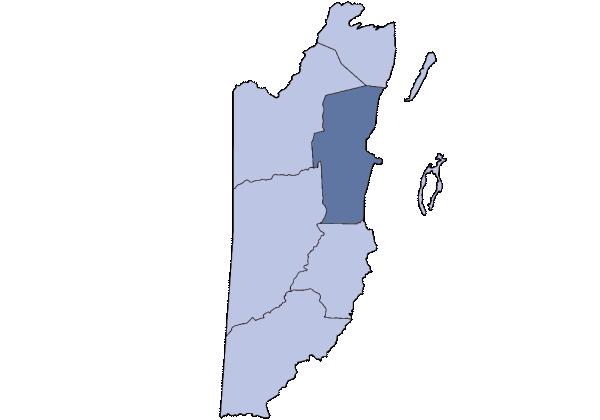

Geography and environment
Terrain in the district ranges from coastal mangrove lagoons and river estuaries to low inland plains and sandy cayes. The offshore reef and its associated marine habitats are internationally significant for biodiversity and support fisheries and tourism activities. Wetlands and seasonal waterways also shape settlement patterns on the mainland.
History and development
The area has a long human history, with archaeological and historical ties to both Maya peoples and later European settlers. During the colonial era the port at Belize City grew around timber and trade. Modern development accelerated with urban growth, though natural disasters such as major hurricanes have repeatedly influenced planning and reconstruction.
Economy, transport and services
The district’s economy centers on shipping, tourism, fishing and services. Belize City hosts the main commercial docks and a concentration of banks, businesses and government services. The country’s principal international airport is located in the district’s periphery, providing air links for tourism and commerce.
Tourism and places of interest
Visitors are drawn to the cayes and marine reserves for snorkeling, diving and beach recreation. Notable attractions include colonial-era streets and museums in the city and vibrant marine sites offshore.
- Popular cayes and islands used for day trips and resorts
- Marine reserves and reef diving areas
- Historic waterfront districts and local markets
Administration and notable facts
The district contains a mix of urban wards, villages and island communities and plays a disproportionately large role in national trade and tourism compared with its geographic size. Its combination of cultural heritage and marine resources makes it one of the most visited parts of the country.
Related articles
Author
AlegsaOnline.com Belize District Leandro Alegsa
URL: https://en.alegsaonline.com/art/10250
Sources
- statisticsbelize.org.bz : "Mid‐Year Population by District and Sex, 2009"