
Udeşti: a rural commune in Suceava County, Romania
Udeşti is a rural commune in Suceava County in the historical region of Bukovina, northeastern Romania, known for its agricultural landscape, traditional architecture and local cultural life.
Udeşti is a commune in Suceava County in the historical region of Bukovina in northeastern Romania. It is a predominantly rural locality centered on the village of Udeşti and several smaller hamlets. The area is characterized by rolling agricultural land, small mixed-forest tracts and settlements that preserve elements of traditional Romanian village life.
Image gallery
4 Images


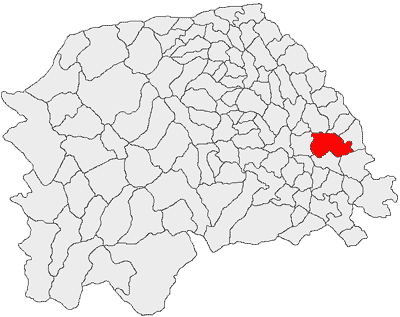
Geography and composition
The commune occupies low hills and fields typical for this part of Bukovina. Local roads connect the villages to nearby market towns and county routes. The landscape supports mixed farming and scattered woodlands; seasonal rhythms of sowing, harvest and pastoral activities remain visible in daily life.
History and cultural background
Udeşti lies within Bukovina, a region with a layered history of Romanian, Habsburg and later Romanian administrative influences. Over centuries the area developed a mainly agrarian character, and many villages retain traditional wooden architecture and Orthodox parish churches that serve as community focal points. Local customs and folk crafts reflect broader Bukovinian traditions.
Economy, life and attractions
The local economy is based on agriculture, small-scale animal husbandry, forestry and artisanal activities. Residents commonly engage in vegetable and cereal cultivation, orcharding and beekeeping. For visitors, the commune offers a quiet rural experience: country walks, observation of vernacular houses and village churches, and small local festivals when they occur.
Administration and notable facts
- Governance follows the Romanian commune model with a local council and mayor responsible for public services.
- As part of Suceava County, Udeşti shares in county-level infrastructure and cultural initiatives.
- Its setting in Bukovina links it to a wider cultural landscape noted for folk art, religious architecture and multilingual heritage.
Udeşti illustrates a typical northeastern Romanian rural community: modest in size, rooted in agricultural practice, and valuable for understanding regional traditions of Bukovina.
Related articles
Author
AlegsaOnline.com Udeşti: a rural commune in Suceava County, Romania Leandro Alegsa
URL: https://en.alegsaonline.com/art/102507