
U.S. Route 3: New England highway from Cambridge, MA to the Canadian border
U.S. Route 3 is a U.S. Highway running north–south from Cambridge, Massachusetts to the Canadian border, serving suburban, rural and recreational corridors across Massachusetts and New Hampshire.
Overview
U.S. Route 3 is a numbered U.S. Highway that begins in Cambridge, Massachusetts and continues northward to the Canadian border. It traverses primarily two states and connects the Boston metropolitan area with northern New England. The route serves a mix of urban, suburban and rural areas and is used for daily commuting, regional commerce and access to recreation destinations.
Image gallery
4 Images


Route and characteristics
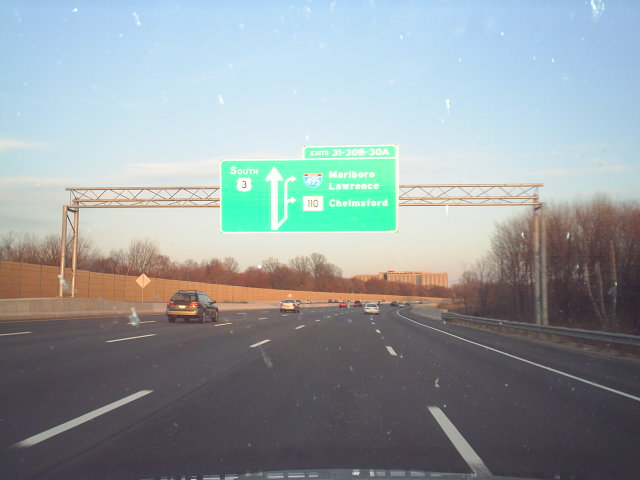
The highway includes a variety of road types along its course. Near its southern end the corridor contains multi-lane urban and suburban sections designed to handle commuter traffic; farther north the highway becomes a combination of limited-access segments and conventional two‑lane roads. In rural stretches it passes through forested and mountainous terrain where speeds and lane configuration change to match local conditions.
History and development
U.S. Route 3 dates back to the early development of the U.S. Highway system in the 1920s. Over the decades the route has been modified, realigned and upgraded in places to reflect evolving transportation needs. Some portions were widened or bypassed to improve safety and traffic flow, while other historic alignments remain as local or scenic roadways.
Uses and importance
The corridor is important for multiple purposes: daily commuting into the Boston area, regional freight movement, and access to outdoor recreation in northern New Hampshire. Because it reaches the international boundary, the route also functions as one link in overland travel between New England and Canada, supporting tourism and cross‑border exchanges.
Notable features and distinctions
- Serves both suburban and remote rural areas, illustrating contrasting highway functions on a single route.
- Contains a mix of limited‑access and two‑lane segments, so driving conditions can change markedly along relatively short distances.
- Forms part of the older U.S. numbered highway network, predating the Interstate era and still carrying local and regional traffic where interstates are absent or indirect.
Travelers using U.S. Route 3 should expect varied roadway character and plan accordingly: commuter congestion in the south, more relaxed speeds in rural north, and seasonal traffic surges related to tourism. For route-specific details such as exit lists, mileages or local work projects consult official state transportation sites or maps for the most current information.
Related articles
Author
AlegsaOnline.com U.S. Route 3: New England highway from Cambridge, MA to the Canadian border Leandro Alegsa
URL: https://en.alegsaonline.com/art/102452
Sources
- us-highways.com : US Highways From US 1 to US 830