
Belfast International Airport (BFS)
Major airport northwest of Belfast, Northern Ireland (IATA: BFS). Serves scheduled, low-cost and charter flights, freight and general aviation; historically developed from RAF Aldergrove.
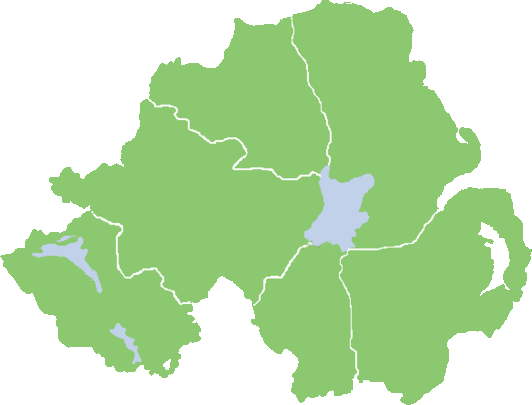
Belfast International Airport is a principal civil airport located northwest of Belfast in Northern Ireland. Identified by IATA: BFS and ICAO code EGAA, it sits on the site historically known as Aldergrove and is typically described by sources as a key regional gateway and transport hub. For more on its official status see the local airport references.
Image gallery
9 Images





Overview and role
The airport handles a mix of scheduled domestic and international services, low-cost carrier connections, seasonal and charter flights, plus freight and general aviation. It functions as an alternative to city-centre airports and supports tourism, business travel and cargo movements for the region.
Facilities and operations
Facilities are organized around a principal terminal complex and runway infrastructure that support medium- and short-haul aircraft. Passenger services include check-in, security, retail and ground handling, while on-site operations cover air traffic control, maintenance and cargo handling. Typical features include:
- Single main passenger terminal with arrivals and departures areas
- Runway and apron capable of handling a variety of commercial aircraft
- Cargo handling zones and general aviation parking
- Ground transport and car parking facilities
History and development
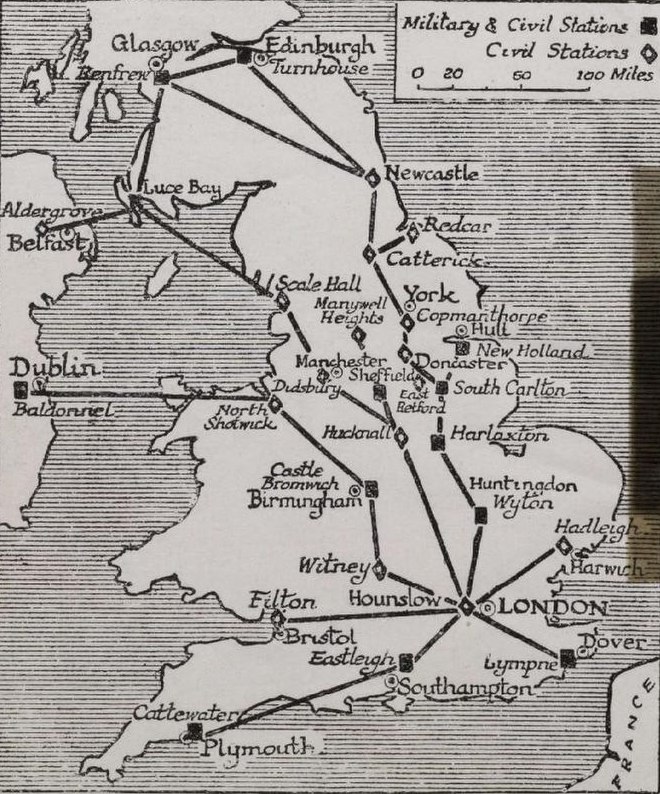
The site began life as RAF Aldergrove, an airfield with military origins that later adapted to civilian use. Over decades it evolved from a modest base into a commercial airport, through staged expansion of passenger facilities and improvements to airside infrastructure. Investment and route development have reflected changing travel patterns, growth of low-cost carriers, and regional economic needs.
Airlines, routes and access
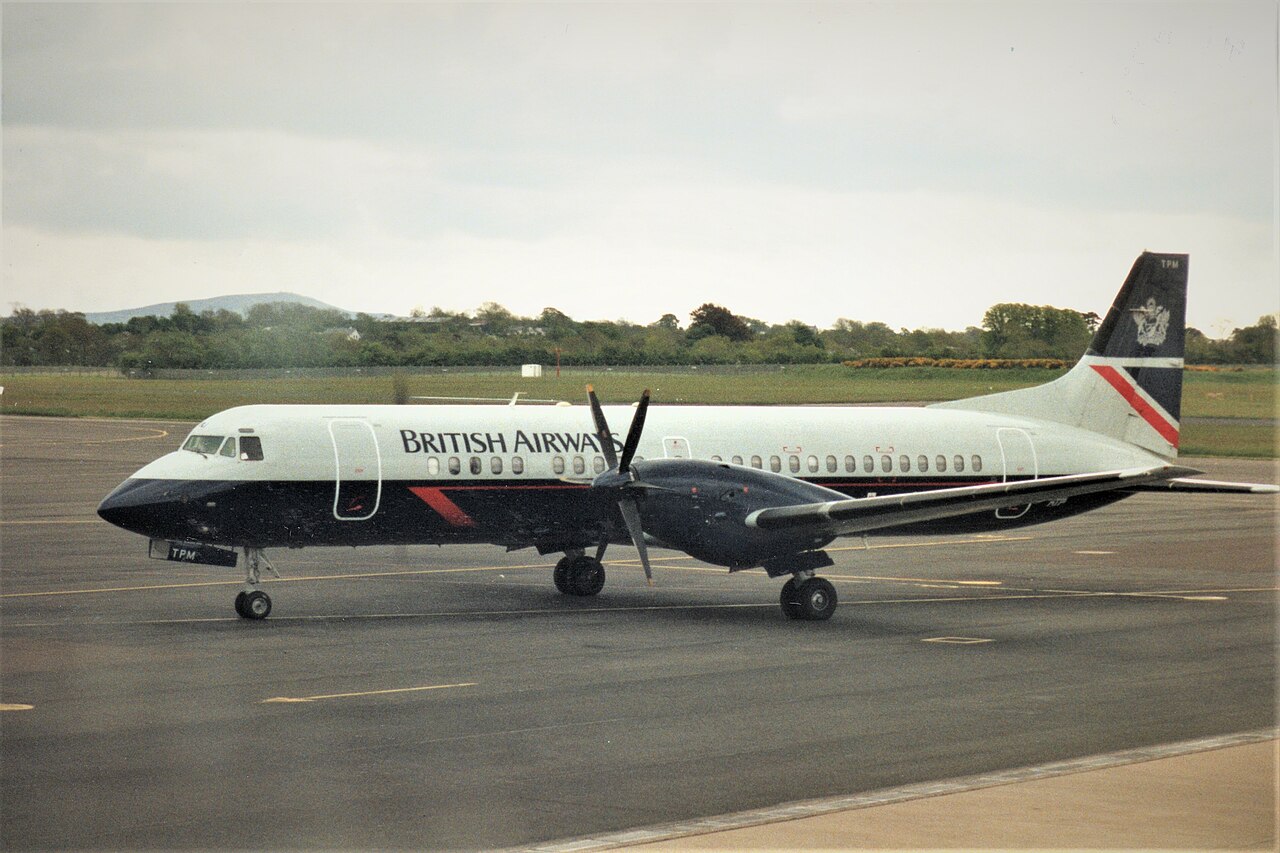
A range of carriers operate from the airport, including prominent low-cost operators (for example, easyJet and Ryanair) and seasonal services that connect Northern Ireland to major cities and holiday destinations. Surface access is provided by road links, coach services, taxi operations and car parks that serve arriving and departing travellers.
Importance and future
Belfast International Airport remains important to the regional economy: it supports tourism, business links and freight movements. Ongoing priorities include improving passenger experience, expanding commercial routes where viable, and adapting operations to environmental and regulatory requirements as aviation evolves.
For official timetables, airline lists and operational notices consult the airport's resources and travel providers via the links above.
Related articles
Author
AlegsaOnline.com Belfast International Airport (BFS) Leandro Alegsa
URL: https://en.alegsaonline.com/art/10213
Sources
- belfastairport.com : Airport sale agreed - Belfast International Airport
- nats-uk.ead-it.com : "Belfast/Aldergrove - EGAA"
- caa.co.uk : "Aircraft and passenger traffic data from UK airports"