
Belém, capital of Pará, Brazil
Belém is the capital of Pará in northern Brazil. A historic port city at the mouth of the Amazon, it is known for rainforest-influenced climate, river trade, colonial architecture and the Círio de Nazaré festival.

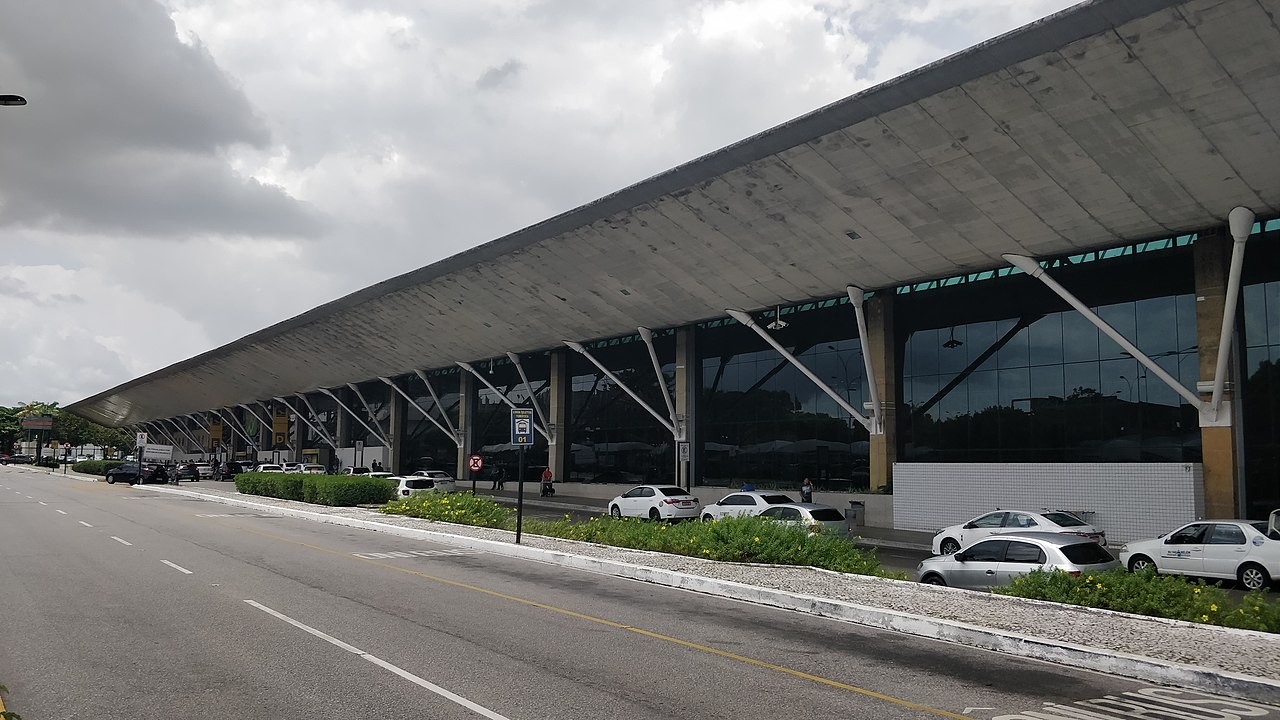
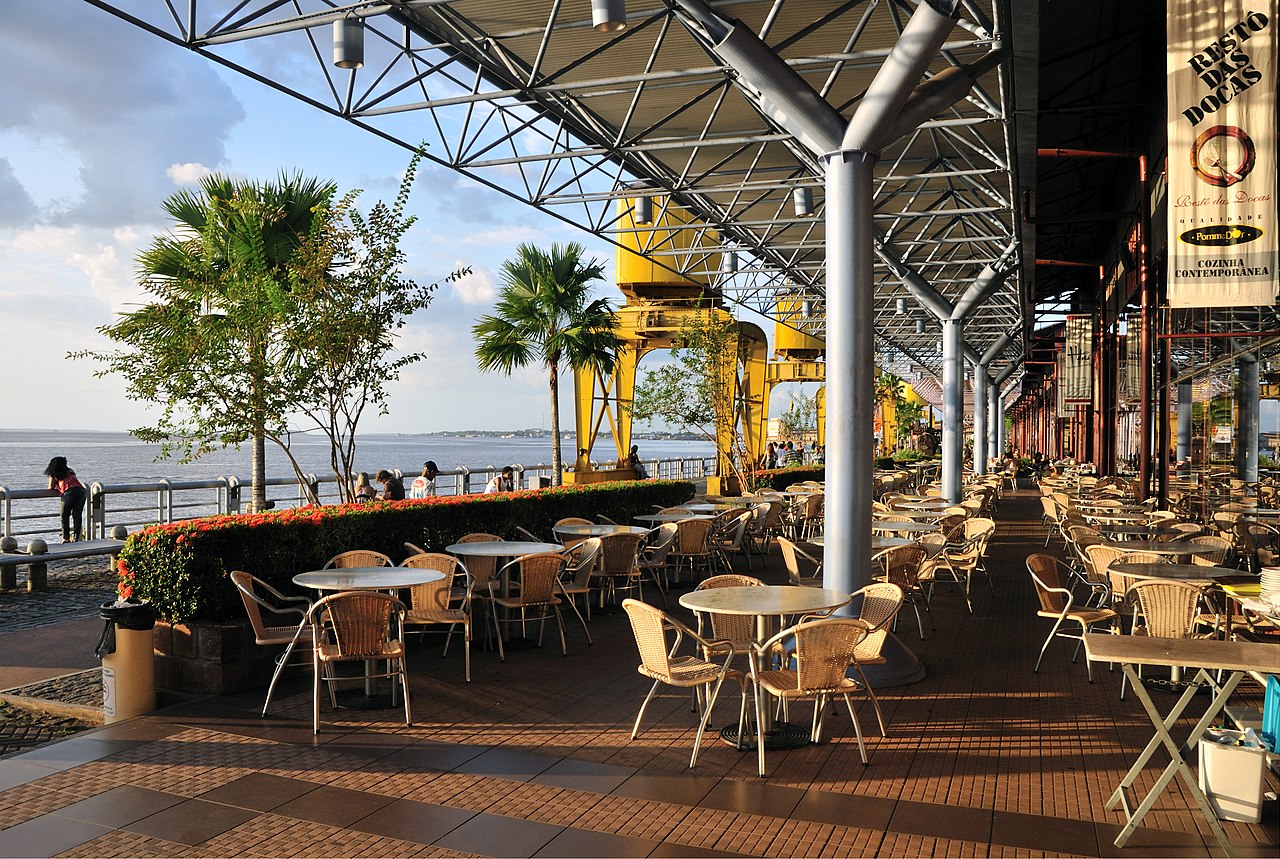
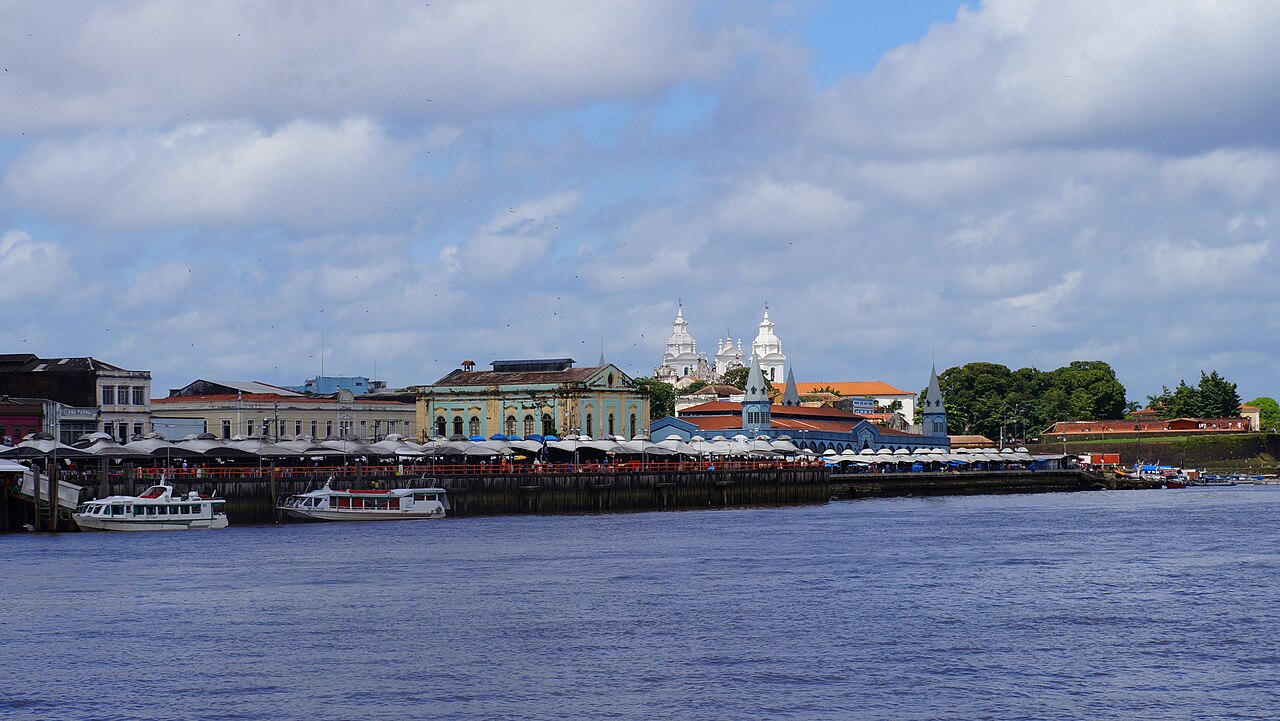
Belém is a major Brazilian city and the capital of the state of Pará. Located near the mouth of the Amazon River on the Atlantic coast, it serves as an important regional port and commercial center. The municipality has about 1.4 million residents and covers roughly 1,070 km², combining dense urban neighborhoods with surrounding waterways and estuarine landscapes. For more on the city itself see Belém and for the broader state see Pará.
Image gallery
10 Images





History and origins
Belém grew from a 17th-century colonial fort and settlement established by the Portuguese to control access to the Amazon basin. Over the centuries it developed as a gateway for rubber, timber and other Amazonian products. Colonial-era streets and public buildings still mark the historic center, reflecting periods of economic boom and cultural exchange between indigenous, African and European peoples.
Characteristics and economy
The city has a humid tropical climate with heavy rainfall and lush vegetation influencing daily life. Its port handles river and ocean shipping, making Belém a hub for trade in agricultural and extractive goods from the interior. The local economy combines shipping, food processing, services and a growing tourism sector that highlights Amazon-region experiences.
Culture, festivals and notable sites
Belém is celebrated for its distinctive cuisine, markets and religious traditions. The annual Círio de Nazaré procession is one of Brazil’s largest Catholic pilgrimages. Notable sites include:
- Ver-o-Peso Market — a historic riverside market and cultural landmark
- Theatro da Paz — a 19th-century theater and cultural venue
- Botanical gardens and riverfront parks that showcase regional flora

Visitors commonly combine urban sightseeing with river excursions to appreciate the Amazon’s ecology and the city’s role as a long-standing connection between Brazil’s coast and interior.
Related articles
Author
AlegsaOnline.com Belém, capital of Pará, Brazil Leandro Alegsa
URL: https://en.alegsaonline.com/art/10207