
Tuesday — position, name, and cultural significance
Tuesday is the weekday between Monday and Wednesday. Its position in weekly numbering varies by calendar; its name reflects different mythologies and languages and appears in several cultural traditions.
Overview
Tuesday is the day that falls between Monday and Wednesday. Depending on how a calendar week is numbered, Tuesday can be the second day (ISO 8601 standard, where Monday is first) or the third day (in systems that begin the week on Sunday, as is common in the United States). In everyday life it is typically an ordinary workday in most countries.
Image gallery
1 Image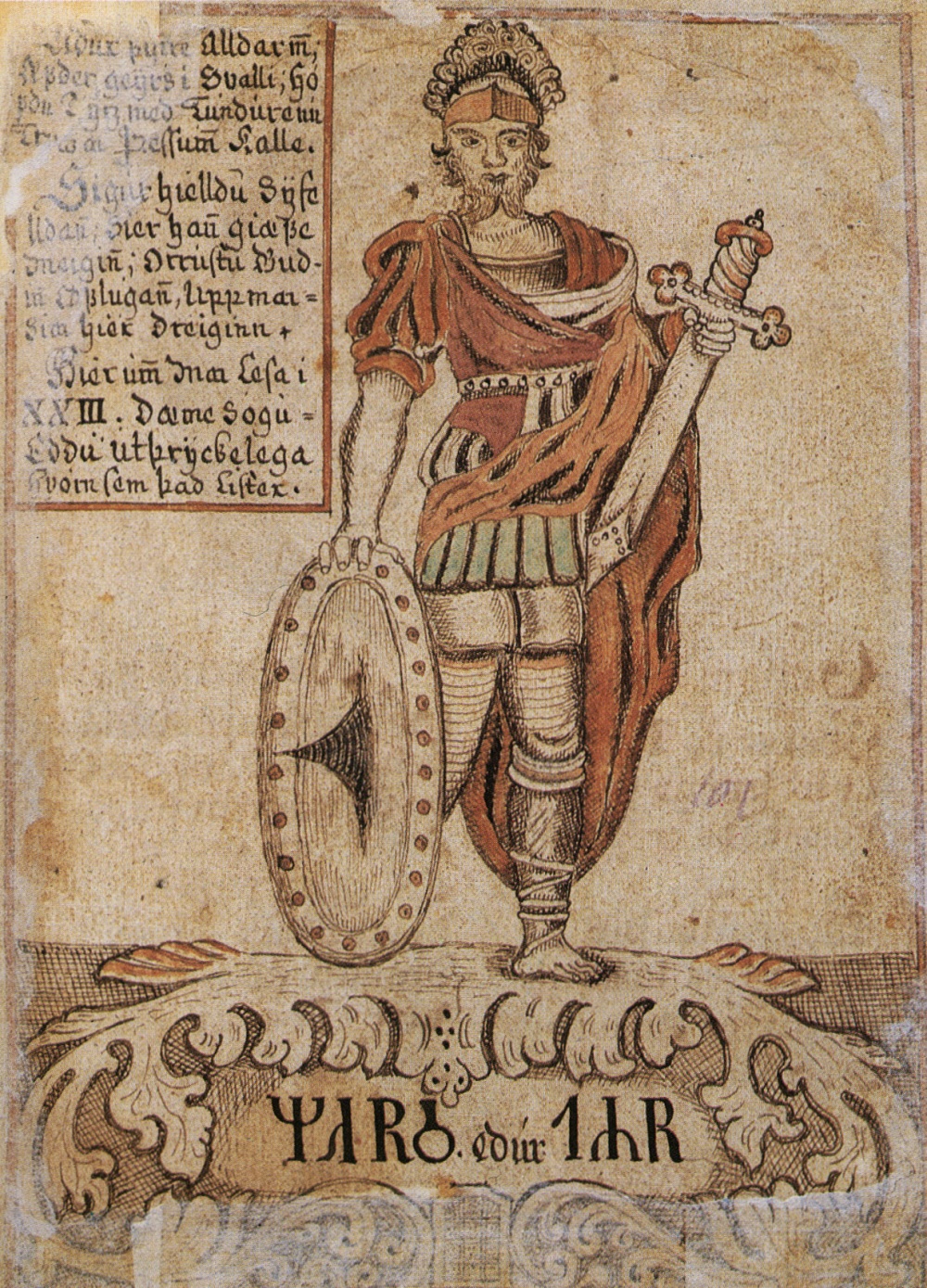
Name and linguistic origins
The English name "Tuesday" comes from an Old English dedication to the god Tiw (also Tyr in Norse tradition). In many Romance languages the weekday derives from the Roman god of war—Mars—producing names such as Spanish "martes" and French "mardi". These parallel naming patterns reflect how different cultures mapped their own deities or planets to the seven-day cycle.
History and calendar position
Modern calendars and international standards affect how Tuesday is numbered: under ISO rules it is day two of the week, while other conventions treat it as the third day. Historical practices, religious observances and civic schedules have also shaped Tuesday’s role: for example, in some countries important civic events and local markets have traditionally been held on Tuesdays.
Cultural notes and uses
Several notable customs and phrases highlight Tuesday’s place in culture. In many Christian traditions the day before Ash Wednesday is celebrated as "Fat Tuesday" or "Mardi Gras," a period of feasting. In the United States, the long-standing tradition places many elections on a Tuesday in November. Some national and regional calendars assign colors or other symbolic associations to weekdays, so the cultural meaning of Tuesday can vary widely.
Quick facts
- Typical weekday position: between Monday and Wednesday.
- ISO 8601: Tuesday = day 2; other systems may call it day 3.
- Names: Germanic languages often connect the name to the god Tiw/Tyr; Romance languages link it to Mars.
- Notable events: Mardi Gras (Fat Tuesday), and historically common election day timing in the United States.
Though an ordinary day for many, Tuesday’s linguistic roots and cultural roles show how a simple weekday can reflect history, religion and civic life around the world.
Author
AlegsaOnline.com Tuesday — position, name, and cultural significance Leandro Alegsa
URL: https://en.alegsaonline.com/art/101952
Sources
- crowl.org : "The Seven-Day Week and the Meanings of the Names of the Days"
- ceantar.org : MacBain, Alexander. An Etymological Dictionary of the Gaelic Language. Gairm Publications, 1982 reprint of 1896 original.
- dicts.info : Dicts.info Breton to English to Breton Dictionary
- geiriadur.net : Welsh-English / English-Welsh On-line Dictionary, University of Wales, Lampeter
- ceantar.org : MacFarlane, Malcolm. The School Gaelic Dictionary. Eneas MacKay, Stirling, 1912.
- scotland.gov.uk : English-Gaelic Parliamentary Dictionary, published by the Scottish Parliament, 2001.
- smo.uhi.ac.uk : Stòr-dàta Briathrachais Gàidhlig