
Tucana (constellation)
Tucana is a southern constellation representing the toucan; it contains the Small Magellanic Cloud and the bright globular cluster 47 Tucanae and was introduced by early European explorers.
Tucana is a constellation in the far southern sky that represents the toucan, a colorful bird native to South America. It is one of the 88 modern constellations recognized by the International Astronomical Union and is best observed from the Southern Hemisphere. Tucana is not prominent in brightness but is notable for its deep-sky contents rather than asterism of bright stars.
Image gallery
9 Images





Location and appearance
Situated well south of the celestial equator, Tucana is visible chiefly to southern observers. It occupies a modest area of the sky and lies among other southern constellations. Because its brightest stars are of modest magnitude, the constellation itself appears faint to the naked eye, but it serves as a convenient map region for finding several important nebulae and clusters.
Notable deep-sky objects
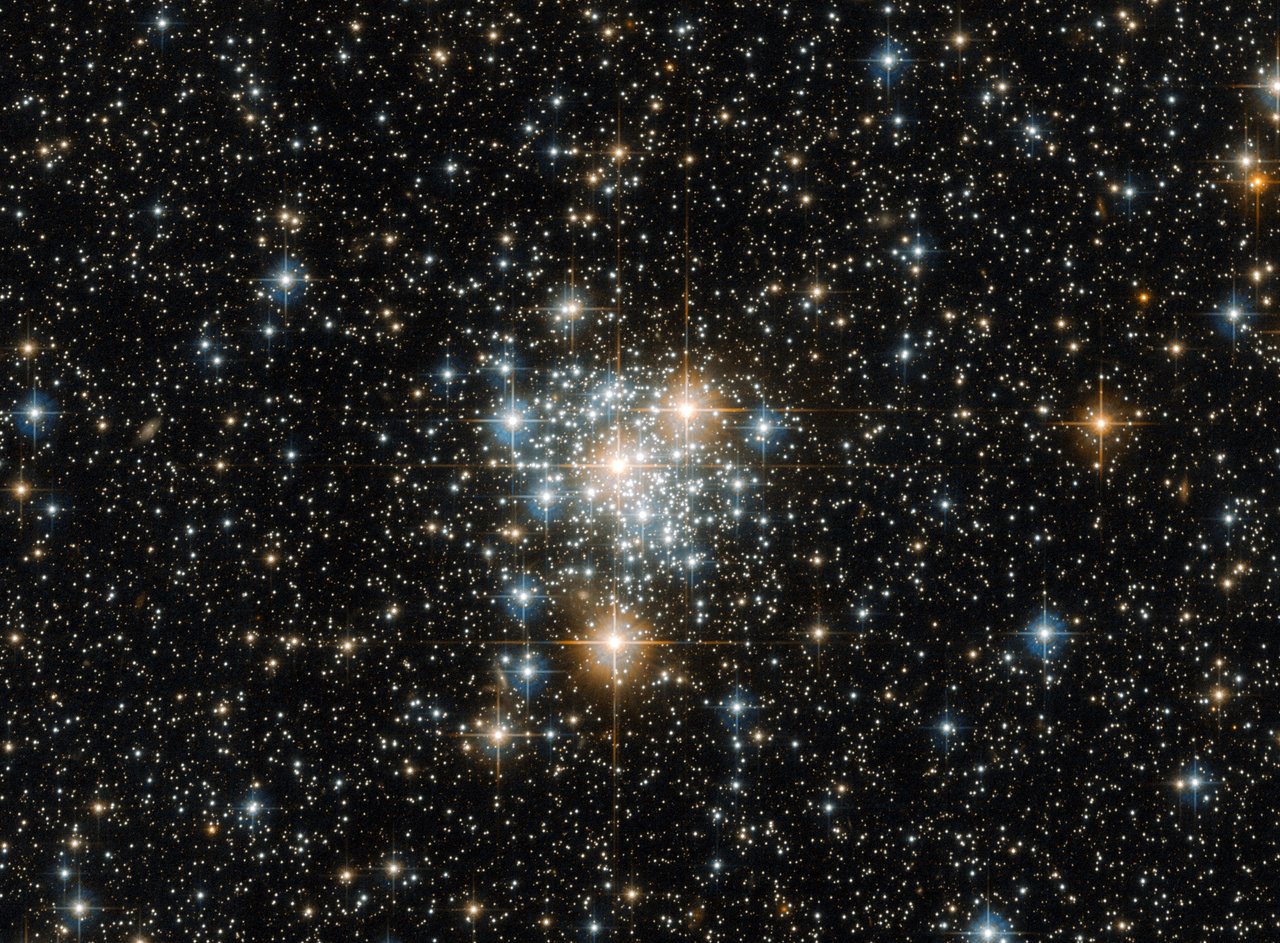
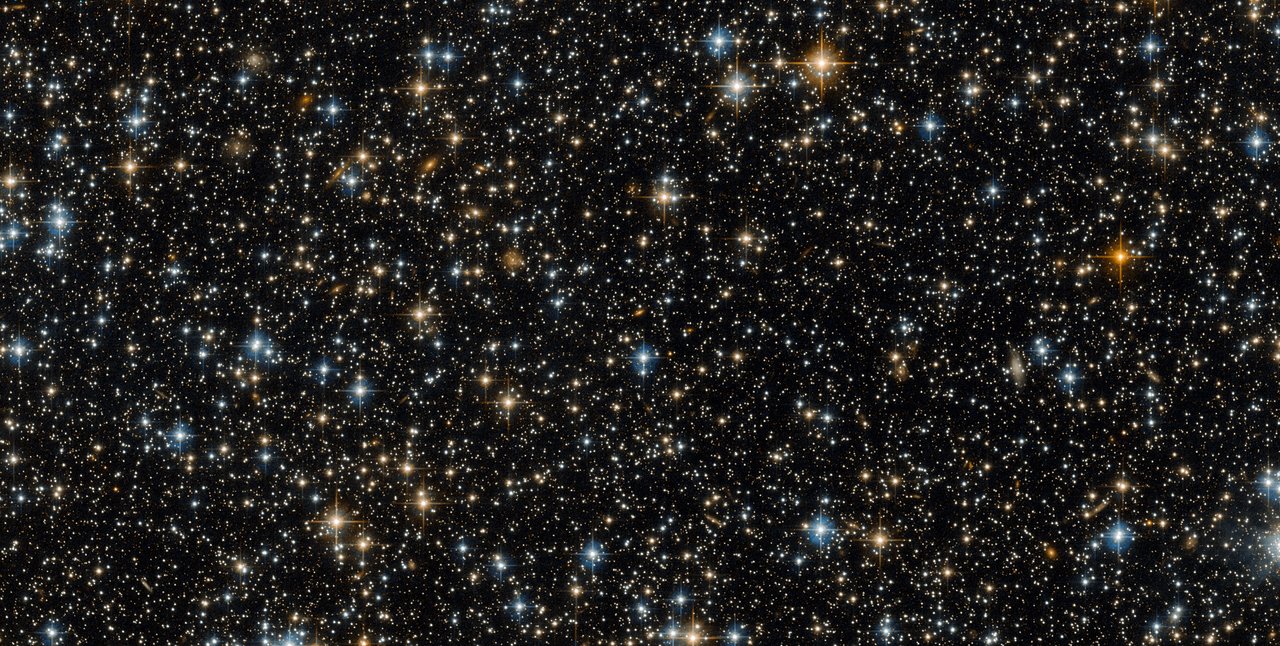
Tucana is most famous for containing much of the Small Magellanic Cloud (SMC), a nearby dwarf galaxy and satellite of the Milky Way that is rich in star-forming regions. Another remarkable object within Tucana is 47 Tucanae (NGC 104), a dense and visually striking globular cluster often compared with Omega Centauri for its brilliance and compactness. These features make Tucana important to studies of stellar populations, galactic structure, and variable stars.
History and naming
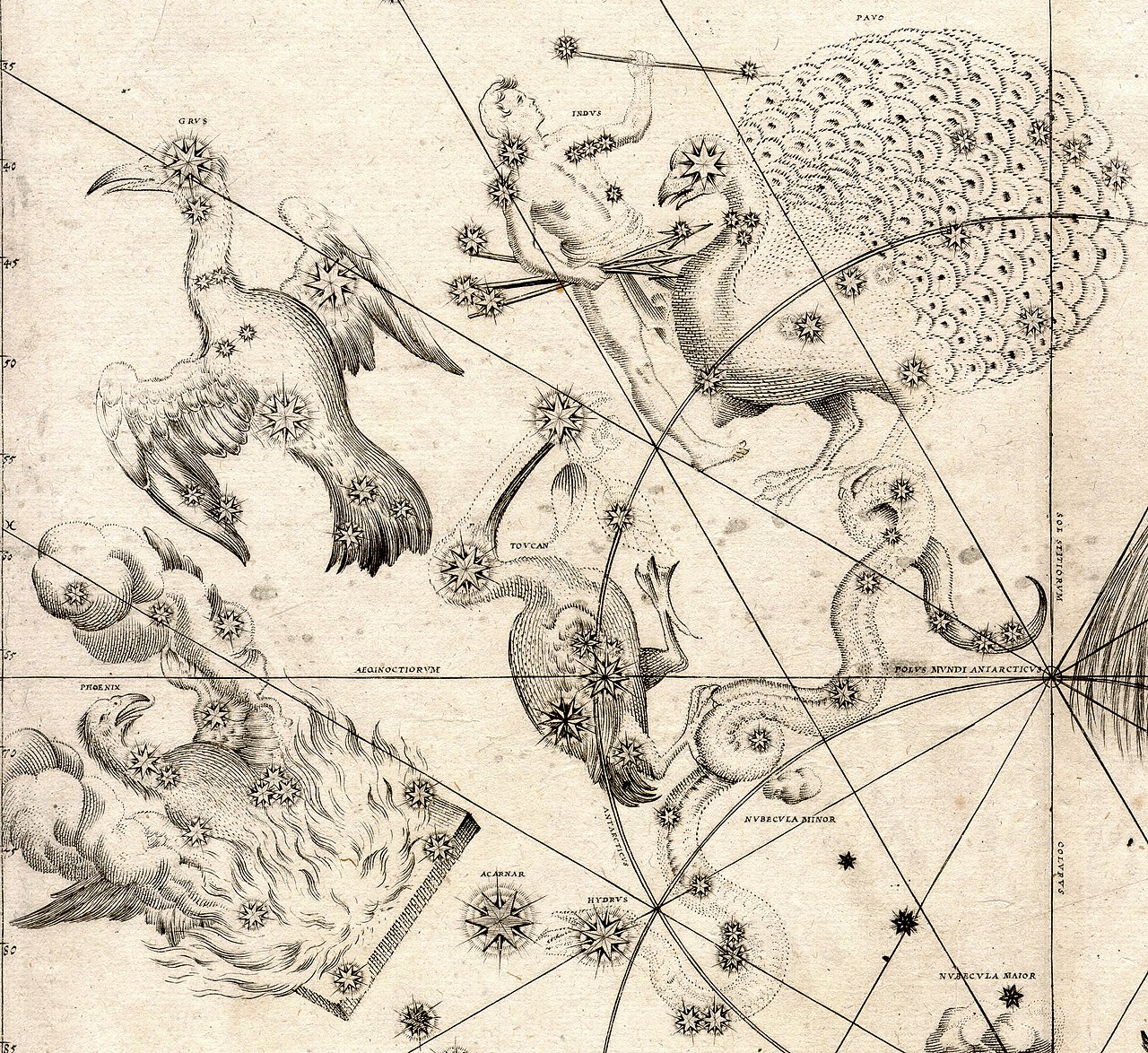
The constellation was introduced to European star charts in the late 16th and early 17th centuries, when navigators and cartographers began mapping the southern sky. It commemorates an exotic New World bird encountered by explorers; the name derives from the Portuguese and Spanish word for toucan. Tucana later appeared in celestial atlases and was standardized along with other southern constellations in modern catalogs.
Practical information and significance
For amateur observers, Tucana offers rewarding targets when viewed from temperate to Antarctic southern latitudes: the SMC can be seen as a hazy patch to the unaided eye under dark skies, while 47 Tucanae is a spectacular sight through binoculars or a small telescope. Professional astronomers use objects in Tucana to investigate globular cluster dynamics and the star-formation history of nearby dwarf galaxies. For more on its designation as a constellation and mapped boundaries, consult reference atlases and observatory guides.
- Represents: the toucan (a New World bird)
- Notable objects: Small Magellanic Cloud, 47 Tucanae
- Visibility: best from southern latitudes
Related articles
Author
AlegsaOnline.com Tucana (constellation) Leandro Alegsa
URL: https://en.alegsaonline.com/art/101940