
Tskhinvali: capital of South Ossetia and regional centre
Tskhinvali is the administrative centre of the breakaway region of South Ossetia in the South Caucasus, known for its strategic position, Soviet-era development and heavy damage during the 2008 conflict between Russia and Georgia.
Overview
Tskhinvali is the administrative centre and largest town of the de facto independent region known as South Ossetia. It lies in the South Caucasus on the banks of a local river and serves as the political, cultural and transport hub of the territory. Internationally the area is subject to dispute: most states consider South Ossetia part of Georgia, while the breakaway administration controls the city and surrounding territory and is recognized by Russia and a small number of other countries. The city name appears in several transliterations, including Tskhinval and Tskhinvali.
Image gallery
9 Images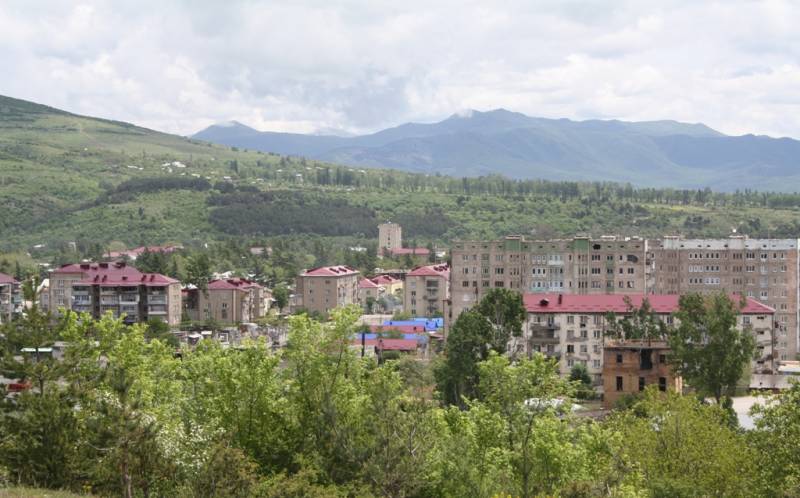




Characteristics and layout
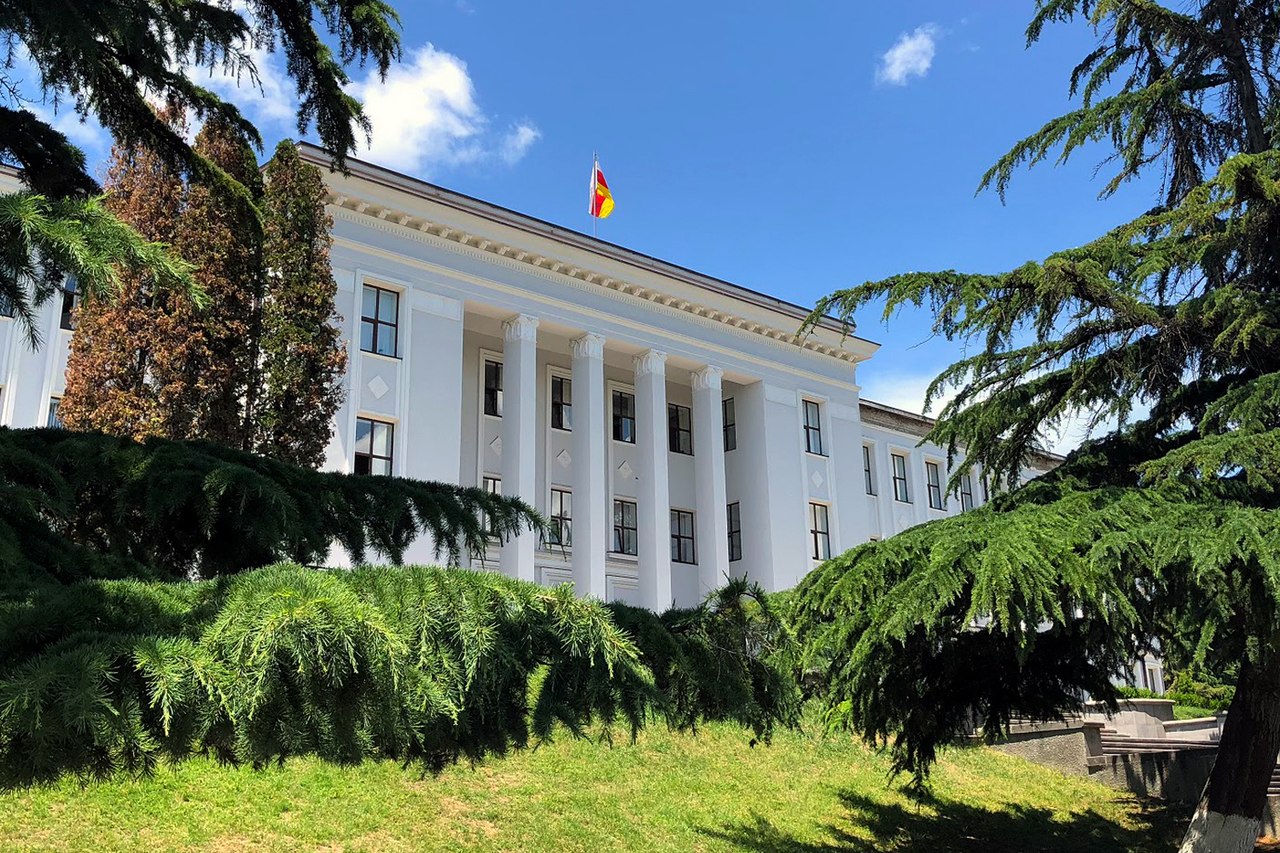
Tskhinvali combines older settlement patterns with Soviet-era urban planning. The centre contains administrative buildings, cultural institutions and apartment blocks typical of mid-20th century construction. Surrounding neighbourhoods mix residential streets, small commercial areas and remnants of older architecture. The immediate surroundings are agricultural and mountainous terrain, giving the city strategic importance along regional routes.
History and development
The locality developed from a fortified settlement and local market into a regional town during the 19th and 20th centuries, especially under Imperial Russian and Soviet administrations. In the Soviet era it expanded with factories, schools and civic institutions, becoming a regional administrative centre. Following the breakup of the Soviet Union, tensions between local authorities and the Georgian government escalated and shaped the town’s modern history.
Recent conflicts and political status
Tskhinvali was a focal point in periodic clashes and became widely known after the August 2008 war between Russia and Georgia, when the city suffered significant destruction and civilian displacement. Since then reconstruction and public services have been largely supported by Russia. The political status of the city remains contested: the local administration presents Tskhinvali as the capital city of South Ossetia, while most of the international community continues to regard the area as part of Georgia.
Economy, society and culture
The local economy is centered on public administration, services, small-scale industry and trade serving nearby rural areas. The population has varied over time due to migration and displacement related to conflict. Local culture reflects Ossetian traditions alongside influences from Georgian and Russian cultural currents. Important local concerns include rebuilding infrastructure, restoring housing, and addressing the humanitarian consequences of past hostilities.
Notable facts
- Serves as the main political and administrative centre for the de facto South Ossetian authorities.
- Experienced extensive damage in the 2008 conflict and subsequent reconstruction efforts.
- Functions as a regional hub despite limited international recognition and ongoing disputes over sovereignty.
Related articles
Author
AlegsaOnline.com Tskhinvali: capital of South Ossetia and regional centre Leandro Alegsa
URL: https://en.alegsaonline.com/art/101879