
Tucumán Province (Argentina)
Tucumán is Argentina's smallest province, in the northwest. Its capital is San Miguel de Tucumán. Known as "El Jardín de la República," it is an agricultural and historical centre.
Overview
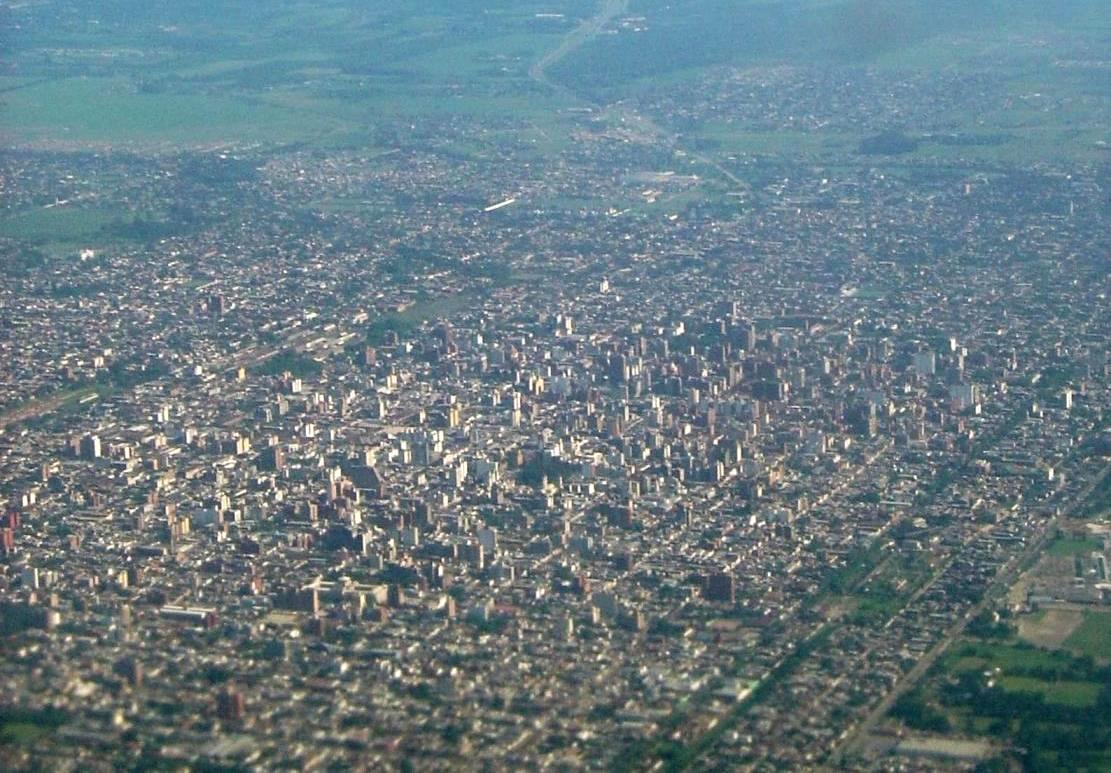
Tucumán is the smallest province of Argentina by area but one of the most densely populated. Located in the northwest of the country, its administrative capital is San Miguel de Tucumán, often shortened to San Miguel. Despite its modest size, the province has a varied landscape, an active cultural life and significant historical importance for the nation.
Image gallery
10 Images




Geography and environment
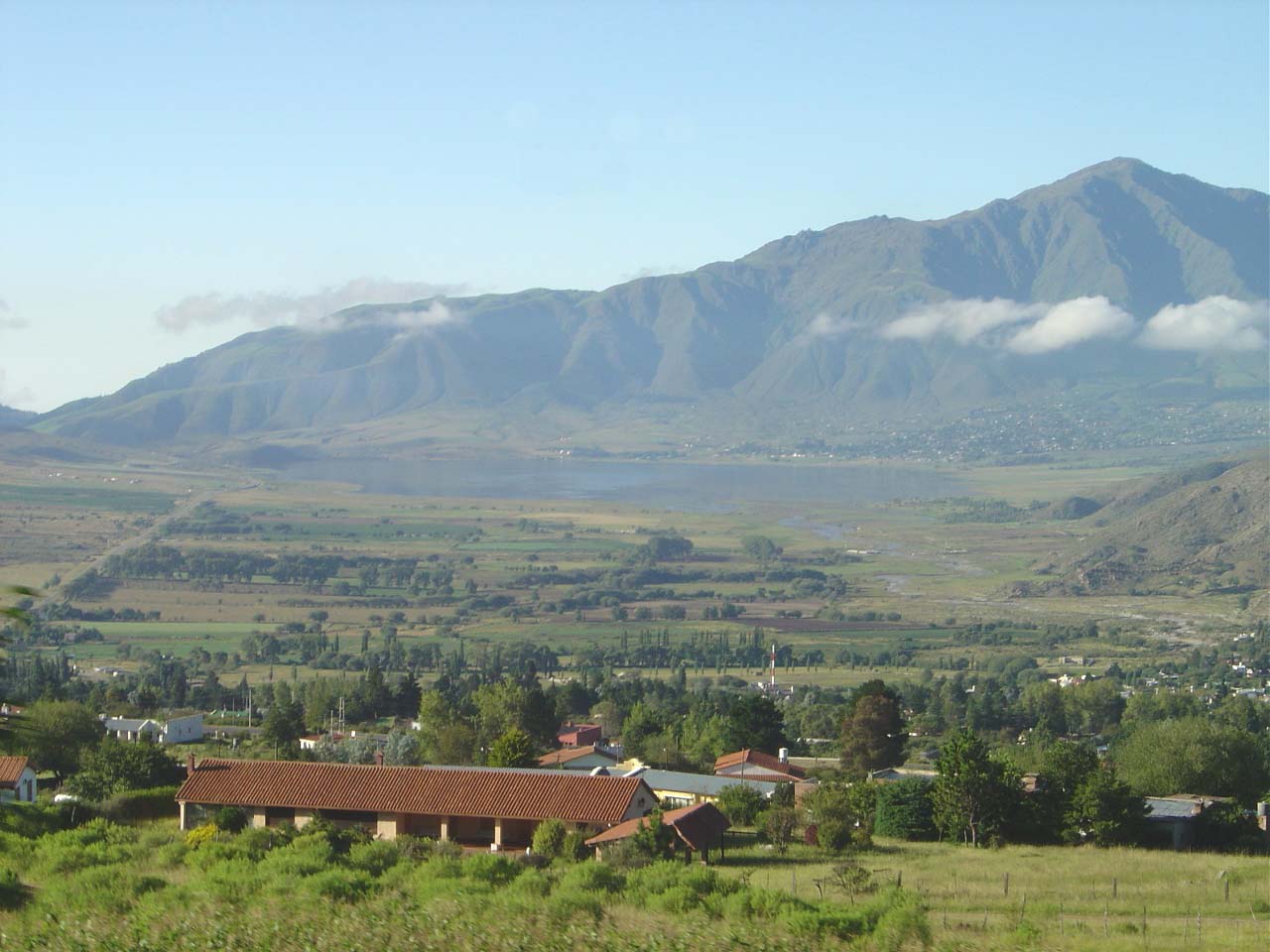
The province occupies a transition zone between lowland plains and the eastern foothills of the Andes. Elevations rise from fertile river valleys into forested highlands. The climate is generally subtropical with warm, rainy summers and milder winters; rainfall patterns are influenced by orography, creating moist areas that sustain rich vegetation. These environmental contrasts support a mix of agricultural lands, remnants of native woodland and protected natural areas.
Economy and agriculture
Tucumán has long been an agrarian region; its nickname, El Jardín de la República, reflects that legacy. The economy historically relied on sugarcane plantations and processing, while in recent decades production has diversified. Key economic activities include:
- Fruit cultivation and citrus, notably lemons, which are an important export crop.
- Sugar and related agroindustry, including mills and byproducts.
- Local manufacturing, services and an expanding agritech and food-processing sector linked to regional crops (agricultural region).
History and cultural significance
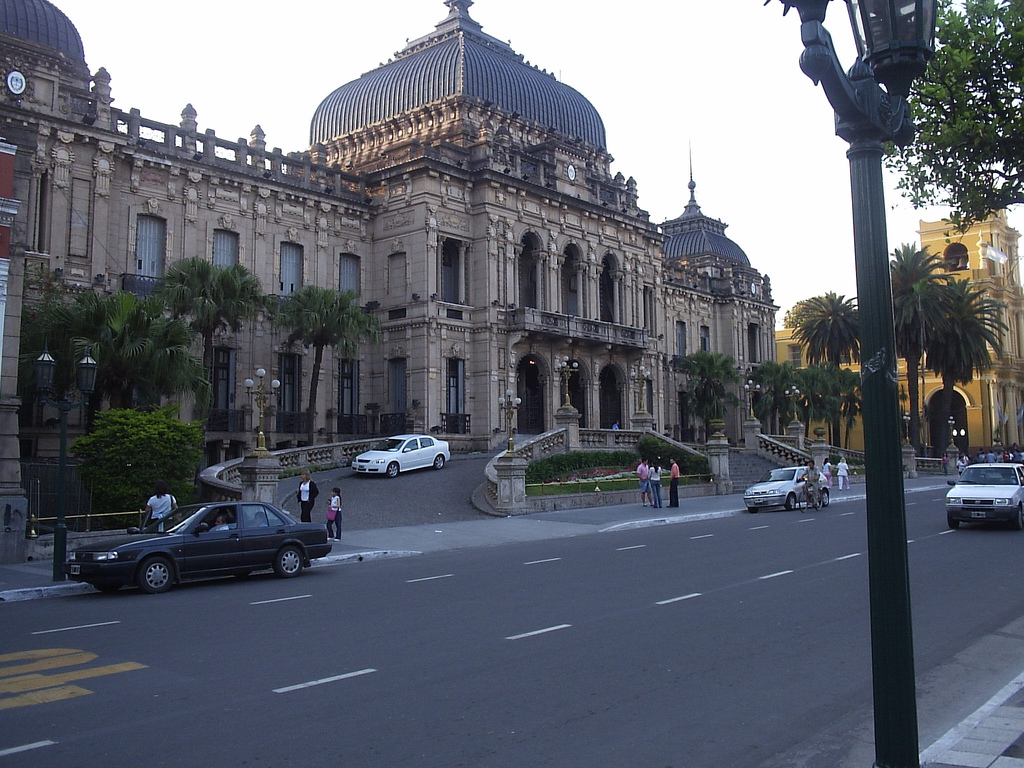
Tucumán occupies a central place in Argentina's independence narrative. The city of San Miguel de Tucumán was the site of the declaration of independence in 1816, and the Casa Histórica remains an important monument. The province's culture blends indigenous and Spanish colonial influences and is expressed in music, dance, festivals and regional cuisine. Educational and research institutions, including a national university, contribute to cultural life and regional development.
Tourism and notable places
Visitors are attracted by a mix of historical sites, scenic valleys and mountain landscapes. Popular destinations include the historic center of San Miguel de Tucumán, scenic highland towns and nature reserves that offer hiking and observation of Andean foothill ecosystems. Local festivals and gastronomy linked to agricultural products are also important draws.
Distinctive facts
Although small geographically, Tucumán has an outsized role in agriculture and Argentine history. Its compact territory produces a significant share of certain crops for the national market, supports concentrated urban populations, and preserves landmarks of the country's political origins. The province continues to balance agricultural traditions with efforts to diversify its economy and protect its natural landscapes.
Questions and answers
Q: What is Tucumán Province?
A: Tucumán Province is the smallest province of Argentina.
Q: Where is Tucumán Province located in Argentina?
A: Tucumán Province is located in the northwest of the country.
Q: What is the capital city of Tucumán Province?
A: The capital city of Tucumán Province is San Miguel de Tucumán, often shortened to Tucumán.
Q: What is the nickname of Tucumán Province?
A: The nickname of Tucumán Province is El Jardín de la República (The Garden of the Republic).
Q: Why is Tucumán Province called The Garden of the Republic?
A: Tucumán Province is referred to as The Garden of the Republic because it is a highly productive agricultural area.
Q: What type of crops are grown in Tucumán Province?
A: Tucumán Province is known for its production of sugar cane, tobacco, and citrus fruits.
Q: Is Tucumán Province an important agricultural area in Argentina?
A: Yes, Tucumán Province is a highly productive agricultural area and is known for its crops, making it an important agricultural area in Argentina.
Related articles
Author
AlegsaOnline.com Tucumán Province (Argentina) Leandro Alegsa
URL: https://en.alegsaonline.com/art/101945
Sources
- 200.51.91.231 : "Censo 2010 Argentina resultados definitivos: mapas"
- hdr.undp.org : "Información para el desarrollo sostenible: Argentina y la Agenda 2030" · web.archive.org
- weatherbase.com : "Tucuman, Argentina - Köppen Climate Classification"
- citypopulation.de : "Argentina: Tucumán"
- biblioteca.municipios.unq.edu.ar : "Superficie de partidos y departamentos según división político territorial"