
Trun — Municipality in Surselva, Canton of Graubünden, Switzerland
Trun is a mountain municipality in Surselva, Graubünden, Switzerland. This entry summarizes its setting, history, the 2012 incorporation of Schlans, language, economy, transport links and visitor information.
Overview
Trun is a mountain municipality in the central Swiss Alps, located in the Surselva region of the canton Graubünden, in Switzerland. The village lies amid alpine valleys, pastures and mixed forests and serves as a local centre for surrounding settlements. Its landscape and economy have long been shaped by mountain agriculture, forestry and seasonal tourism.
Image gallery
6 Images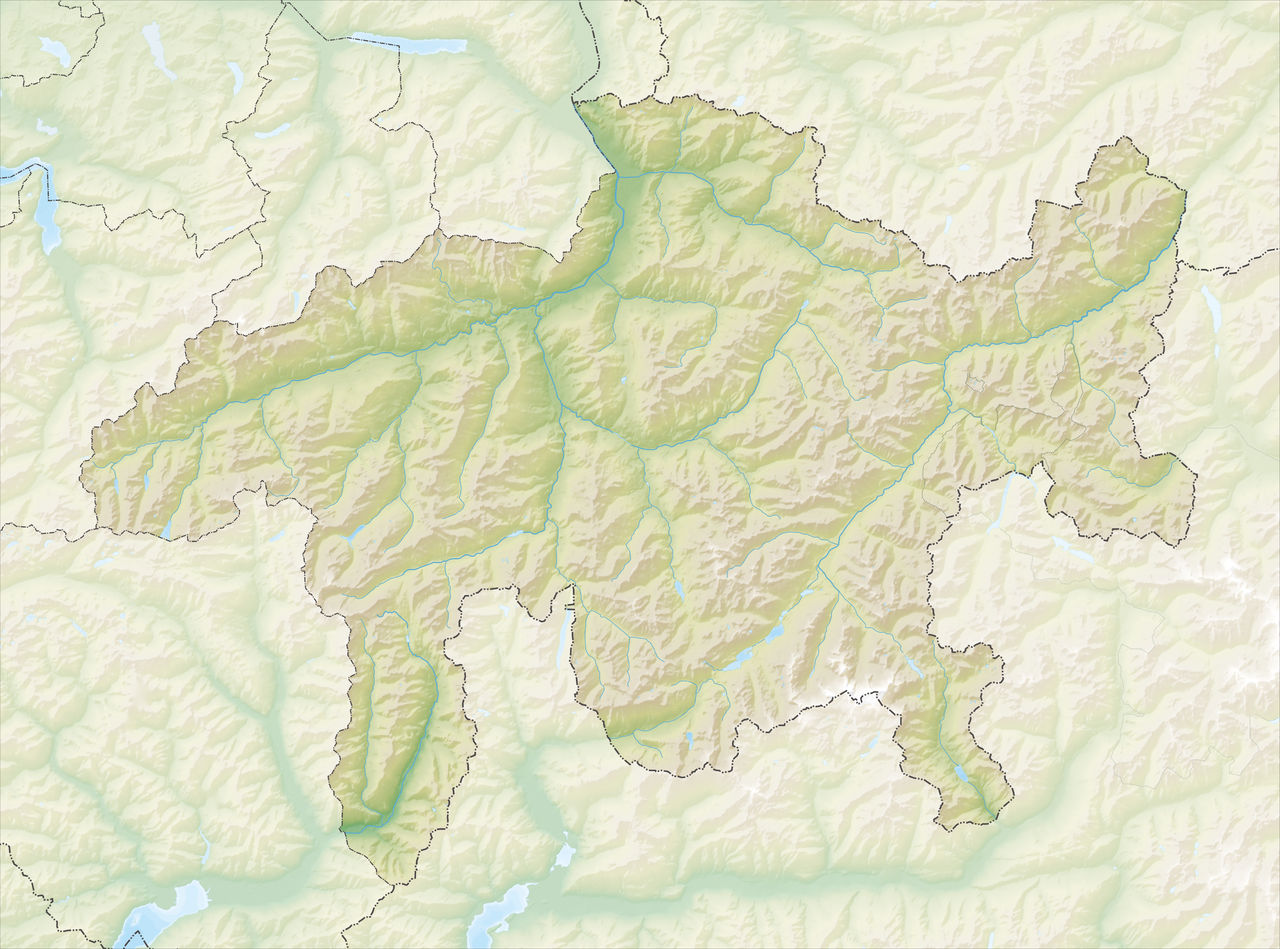


History and administration
The community has medieval origins typical of the area and retains traditional village structures alongside modern municipal administration. On 1 January 2012 the former municipality of Schlans was incorporated into Trun, part of a broader regional trend of municipal mergers intended to streamline services and strengthen local governance.
Geography and economy
Trun occupies steep valley slopes, alpine meadows and wooded areas. Local economic activity combines small-scale farming and dairy work with timber, local crafts and hospitality businesses. Tourism is increasingly important: the area is used as a base for hiking, mountain biking and winter recreation, with guesthouses and restaurants serving visitors.
Culture, language and transport
Trun lies in a part of Graubünden where Romansh cultural traditions are still visible alongside German-speaking influences. Romansh dialects, local festivals and historic churches contribute to community identity. Transport links rely on regional roads and public services typical of Swiss mountain cantons, providing connections to neighbouring towns and rail lines and enabling access for tourists and residents.
Visitor information and notable features
- Outdoor activities: marked mountain trails, cycling routes and winter sports options.
- Cultural points: a historic village centre, parish churches and seasonal events.
- Practical matters: local accommodations, restaurants and basic services are available; for detailed practical information consult cantonal or municipal resources.
For further details about administration, services and tourism in the area, check official municipal and cantonal sources linked above or regional guides covering Surselva and Graubünden.
Related articles
Author
AlegsaOnline.com Trun — Municipality in Surselva, Canton of Graubünden, Switzerland Leandro Alegsa
URL: https://en.alegsaonline.com/art/101815
Sources
- bfs.admin.ch : "Arealstatistik Standard - Gemeinden nach 4 Hauptbereichen"
- bfs.admin.ch : "Ständige Wohnbevölkerung nach Staatsangehörigkeitskategorie Geschlecht und Gemeinde; Provisorische Jahresergebnisse; 2018"