
Schlans — former municipality and mountain village in Surselva, Graubünden
Schlans is a small alpine village in the Surselva region of the canton of Graubünden, Switzerland. It was an independent municipality until its merger into Trun on 1 January 2012.
Schlans is a small mountain village and former independent municipality (Schlans) in the upper Surselva valley of eastern Switzerland. Administratively the settlement belonged to the district (Surselva district) and to the canton administration (Graubünden canton). The village lies within the broader cultural and geographical region known as Surselva and is part of the multi-lingual area of Graubünden and Switzerland.
Image gallery
4 Images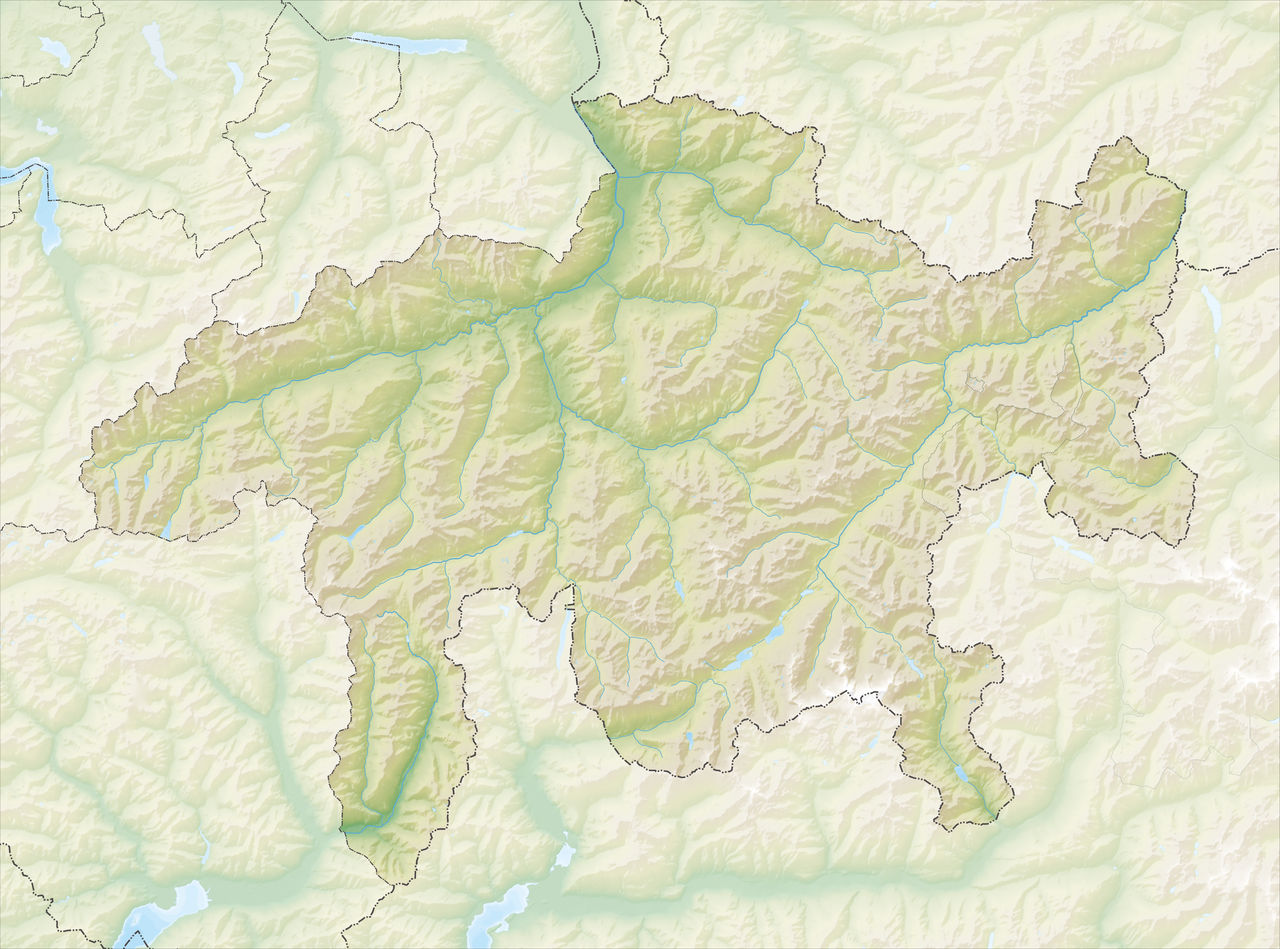


Geography and language
Set amid alpine pastures and mixed woodland, Schlans is typical of small mountain settlements in the central Alps. Houses are clustered on slopes above the main valley floor; the landscape is used for seasonal grazing, forestry and small-scale agriculture. The community lies in a region where both Romansh and German are commonly spoken, with Romansh varieties prominent among older residents and in local tradition.
History and municipal change
The village has medieval roots and a history tied to mountain farming and communal pasture rights. Schlans functioned as an independent municipality until a territorial reorganization: on 1 January 2012 it was merged into the neighbouring municipality of Trun as part of an effort to streamline local administration. The change reflects a broader pattern of municipal mergers in the canton of Graubünden.
Economy, culture and visitors
Local life has traditionally revolved around agriculture, alpine grazing and forestry. Today the economy combines these activities with limited rural tourism, seasonal hospitality and commuting to nearby centres for employment. Cultural life centres on village events, seasonal festivals and the preservation of vernacular architecture and local customs. Visitors find quiet hiking paths, traditional buildings and a village church or chapel typical of the region.
Access and administration
Schlans is reached by local roads connecting to neighbouring villages and valley routes. Administrative information and regional services are handled through cantonal or municipal offices; historical and current data can be consulted via cantonal resources and local municipal portals linked to the district and canton (district, canton). For broader context on geography and culture see regional overviews of Surselva and the canton (Graubünden, Switzerland).
Schlans illustrates the continuity of alpine village life amid administrative change: small population, close ties to the land and gradual integration into larger municipal structures while maintaining local identity.
Related articles
Author
AlegsaOnline.com Schlans — former municipality and mountain village in Surselva, Graubünden Leandro Alegsa
URL: https://en.alegsaonline.com/art/87886