
Beitar Jerusalem F.C.
Beitar Jerusalem Football Club is an Israeli professional football team from Jerusalem, known for its yellow-and-black identity, long history, strong support base and frequent political controversies.
Overview
Beitar Jerusalem Football Club is a professional association football team based in Jerusalem. Founded in the 1930s within the Revisionist Zionist "Beitar" movement, the club developed into one of Israel’s best-known sides. It is widely recognized by its yellow-and-black colors and its home matches at Teddy Stadium in Jerusalem.
Image gallery
4 Images

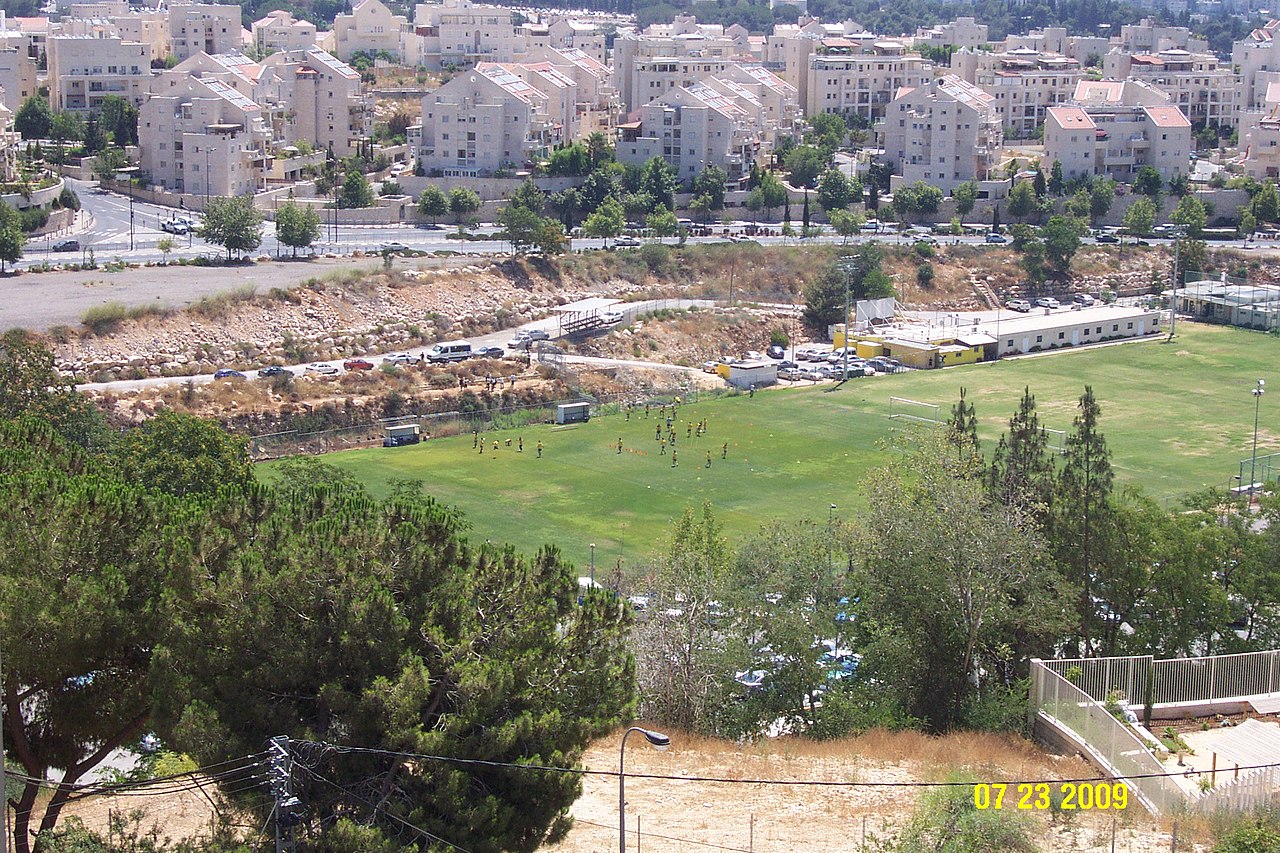

History and development
Established as a sporting branch of the Beitar youth movement, the club grew from local beginnings into a fixture of Israeli football. Over the decades it has competed in the top tiers of the national league system and has won multiple national championships and domestic cup competitions, contributing to its reputation as a major club in Israel.
Identity, colours and stadium
Beitar’s traditional kit is yellow and black. The club plays home fixtures at Teddy Stadium, a multi-purpose venue in Jerusalem that hosts domestic league games and cup ties. The name "Beitar" reflects the club’s roots in the historical youth movement; details about the city and the club’s setting can be found through local sources such as Jerusalem resources.
Supporters and culture
The club commands a passionate fan base with an ardent local following. Some organized supporter groups are highly visible at matches and have shaped the club’s public image. Beitar’s fan culture combines intense loyalty to the team with strong civic and political associations that distinguish it from many other clubs.
Controversies and social impact
Beitar Jerusalem has been the focus of recurring controversy, often related to politics and social tensions in Israeli society. The club’s perceived links to right-wing and nationalist circles have attracted media attention. On several occasions, incidents involving racist chants or discriminatory behaviour by subsets of supporters have provoked sanctions, public debate and initiatives aimed at curbing violence and intolerance in stadiums.
Significance and notable aspects
Beyond results on the field, Beitar Jerusalem is significant as a cultural and political symbol for many Israelis. Its history illustrates the intersection of sport, identity and politics in a diverse society. For further club information and official communications, see Beitar Jerusalem or commentary on the club’s political context via relevant political sources.
Tags
Related articles
Author
AlegsaOnline.com Beitar Jerusalem F.C. Leandro Alegsa
URL: https://en.alegsaonline.com/art/10175
Sources
- rsssf.com : "Israel - List of Final Tables"