
Trikala (Thessaly, Greece)
Trikala is a city in central Greece on the large Thessalian plain. It is an agricultural and regional administrative centre with a long history from antiquity through Byzantine and Ottoman periods to the modern Greek state.
Overview
Trikala is a city in central Greece and the seat of its regional unit. It lies on the wide Thessalian plain and is crossed by the Litheus (Litheos) river. Administratively the area has been treated as one of the country's prefectures and regional centres; see prefecture and Greece for context. According to the 2001 census, the city had a population of about 57,914, reflecting its role as a modestly sized regional capital.
Image gallery
10 Images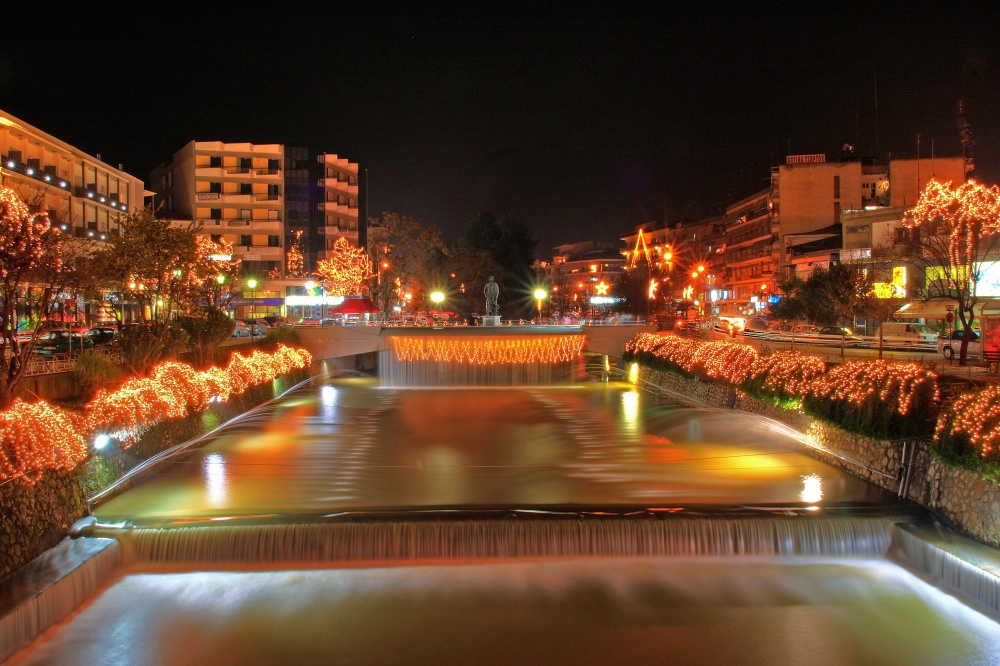




Geography and environment
Trikala sits on one of the largest plains in the country, the fertile expanse of Thessaly. The plain provides extensive agricultural land and opens westward toward the Pindus mountain range. The immediate landscape is dominated by low, cultivated fields and the river valley of the Litheus, while higher, rugged terrain rises to the west. For regional orientation see Thessaly and the nearby plain described on plain resources.
History and development
The site has been inhabited since antiquity. In ancient times it was associated with local cults and regional polis life. Trikala later developed under Byzantine rule and was an important administrative and military centre in the medieval period. It continued to be significant during Ottoman rule and was incorporated into the modern Greek state in the late 19th century when Thessaly was united with Greece. Many layers of architecture and urban layout reflect this long sequence of historical phases.
Economy, culture and uses
The economy of Trikala has traditionally been rooted in agriculture because of the surrounding fertile plain; cereals, cotton and other crops have been important. In the 20th and 21st centuries the local economy diversified into light industry, commerce and public services. The city hosts regional markets, cultural festivals and administrative services that serve surrounding towns and villages. Its riverside promenades, historic quarter and castle remains contribute to tourism and local identity.
Notable features and distinctions
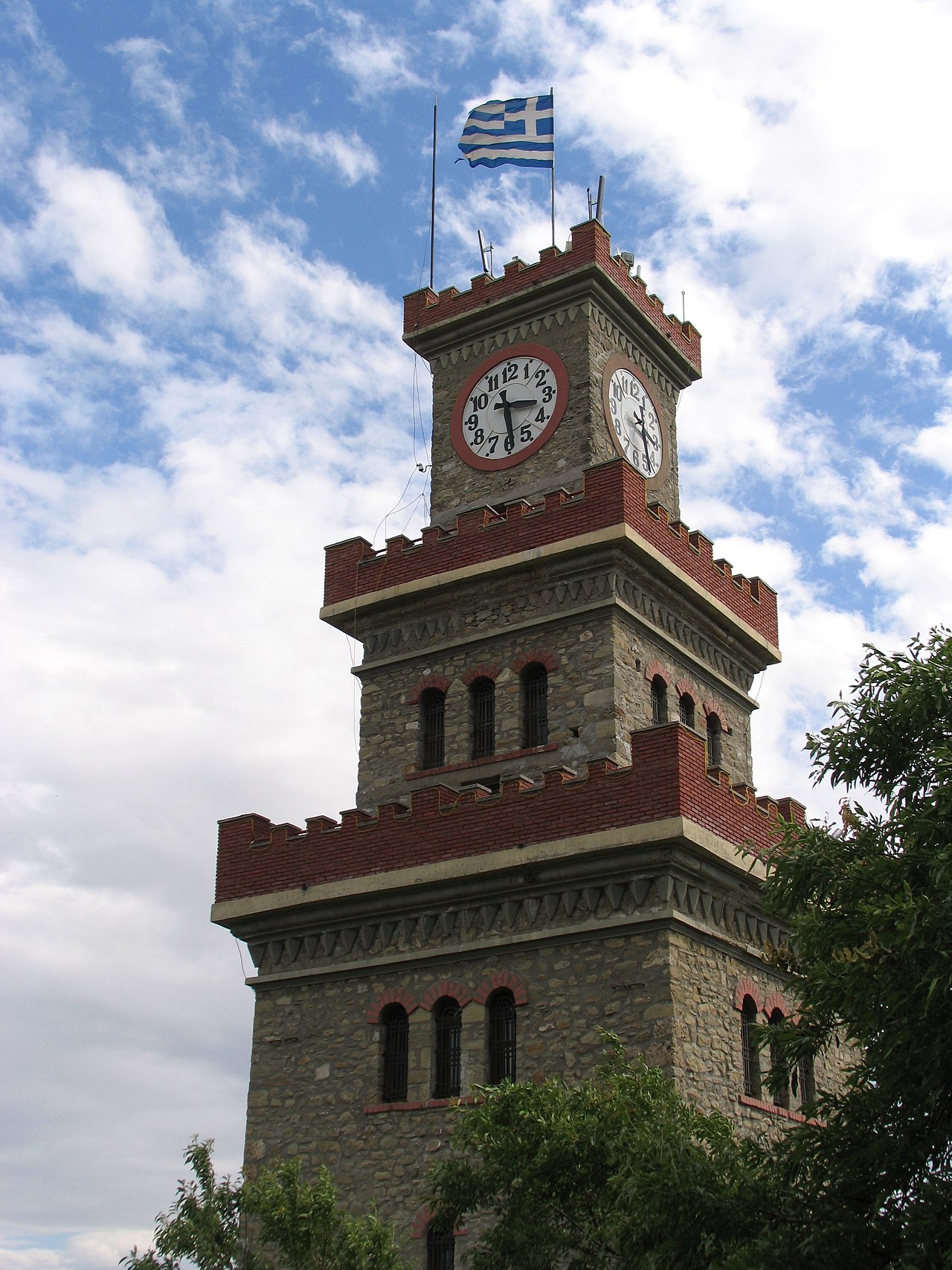
Trikala is notable for its combination of plain agricultural hinterland and nearby mountain scenery. The city contains historic fortifications and an older town centre on higher ground, while newer development spreads across the plain. In recent decades municipal initiatives have emphasised modern services and urban renewal; Trikala is sometimes mentioned among Greek municipalities that have pursued technology and service-oriented projects to improve local administration and visitor amenities. It also serves as a practical base for visitors exploring the broader Thessaly region.
Further information
- Administrative context: prefecture and regional structures in Greece.
- Regional geography: Thessaly and its plains.
- Population and census data: 2001 census.
- Landscape and agriculture: overview of the plain.
Related articles
Author
AlegsaOnline.com Trikala (Thessaly, Greece) Leandro Alegsa
URL: https://en.alegsaonline.com/art/101512