
Trapani: Sicilian port city, history, economy and cultural highlights
Trapani is a historic coastal city in western Sicily, capital of its province, known for its salt pans, fishing traditions, and proximity to the Egadi Islands. Population about 69,000.
Trapani (Sicilian: Tràpani; Latin: Drepanon; Greek: Δρέπανον) is a coastal city in western Sicily. It serves as the capital of the Province of Trapani and has a population of roughly 69,000. The town sits on the westernmost edge of the island, on a narrow peninsula that gives it a distinctive hooked profile, a feature that inspired its ancient name.
Image gallery
10 Images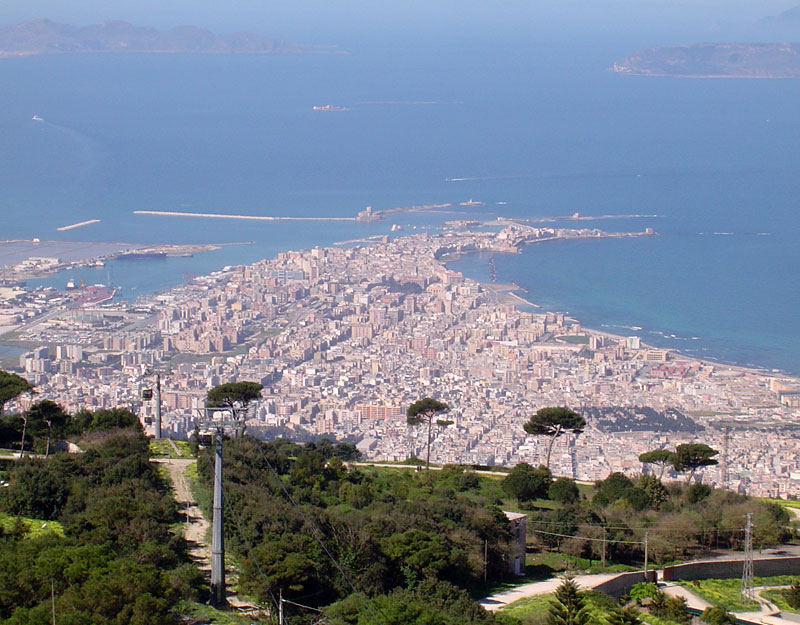




Geography and urban character
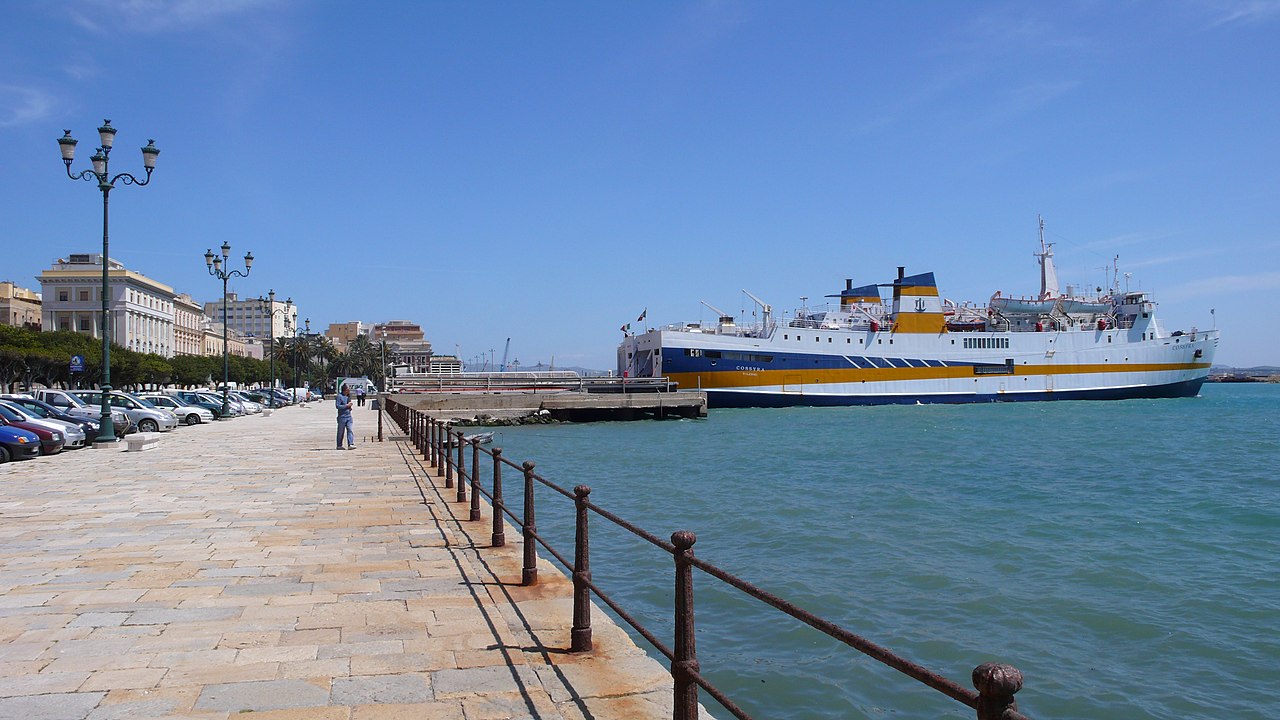
Trapani's historic centre stretches along waterfront promenades and narrow streets that open onto plazas and churches. Nearby salt flats and shallow lagoons have shaped the local landscape and economy for centuries. The city acts as a maritime gateway to the nearby Egadi Islands and to the surrounding coastal plain.
History and origins
Settlement in the area dates to antiquity; Trapani's position on Mediterranean trade routes brought Greek, Roman and later medieval influences. Over time it developed as a fortified port and a regional hub for shipping, fishing and salt production. Architectural traces from different periods are visible in the old town and its religious buildings.
Economy, culture and traditions
The local economy historically revolves around fisheries—most famously the traditional tuna fishing practice known as the mattanza—as well as salt extraction from coastal pans. Trapani's cuisine and festivals reflect this maritime heritage. Notable cultural elements include processions, religious feasts and markets that animate the city year-round.
Attractions and transport
Visitors often explore the harbour, historic churches and museums, and use ferries from the port to reach the islands and nearby destinations. The salt flats and windmills are characteristic landmarks, and the surrounding countryside offers archaeological sites and coastal scenery. Modern connections by sea and air link Trapani with other parts of Sicily and the central Mediterranean.
- Key landmarks: waterfront, cathedral and historic centre
- Natural features: salt pans, lagoons, Egadi Islands
- Typical activities: fishing, boat trips, local markets
For further information consult regional guides and cultural resources about Trapani's history and contemporary life, which together shape this distinctive Sicilian port city.
Sicilian name • Greek name • Port services • Sicily • Provincial seat
Related articles
Author
AlegsaOnline.com Trapani: Sicilian port city, history, economy and cultural highlights Leandro Alegsa
URL: https://en.alegsaonline.com/art/101216