
Trailer (movie)
A movie trailer is a short promotional film that previews an upcoming motion picture, communicating tone, story beats and selling points through edited images, sound and text for theatrical and home audiences.
Overview
A movie trailer is a short promotional film assembled to advertise an upcoming motion picture. Trailers condense footage, music, voice‑over and text into a compact presentation that suggests the film’s tone, premise and highlights without showing the entire story. They are an essential marketing tool used by studios and independent producers to generate interest and to inform potential audiences about release dates and formats.
Image gallery
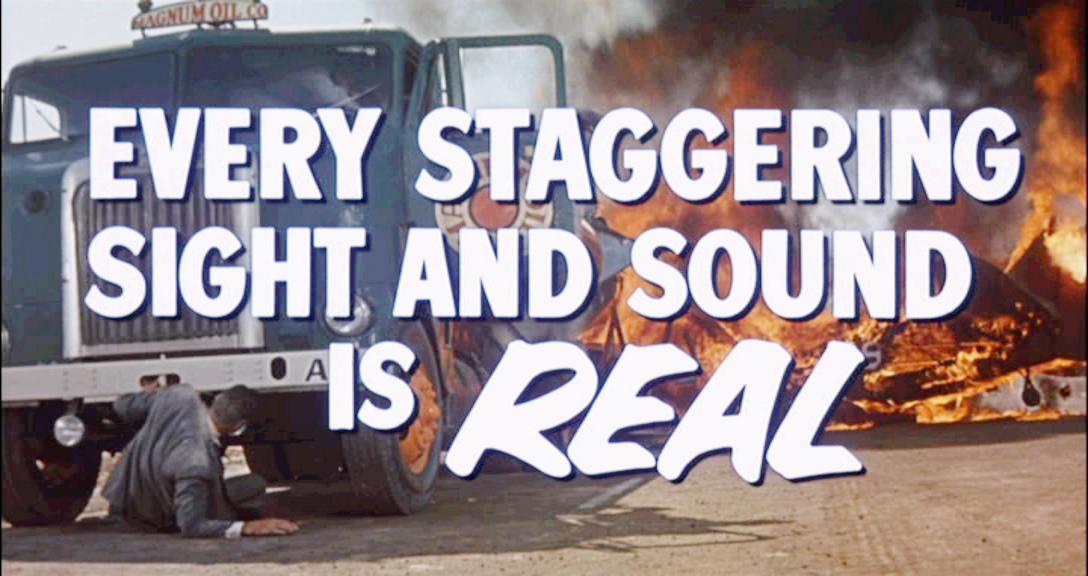
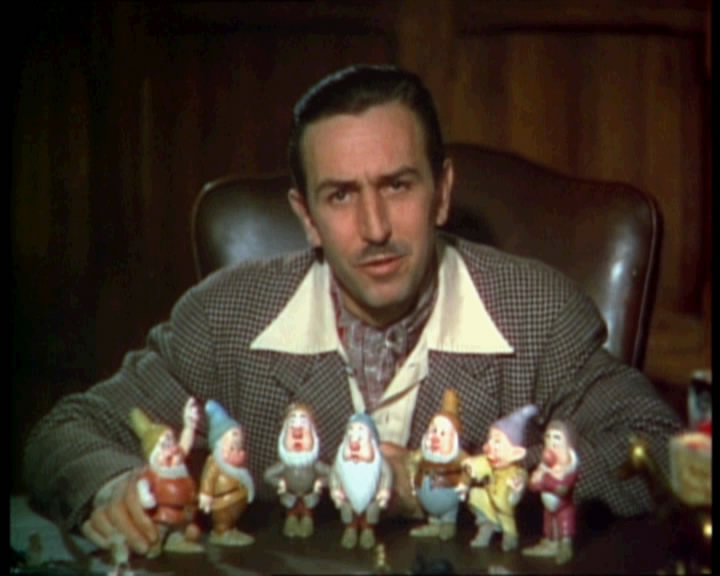
4 Images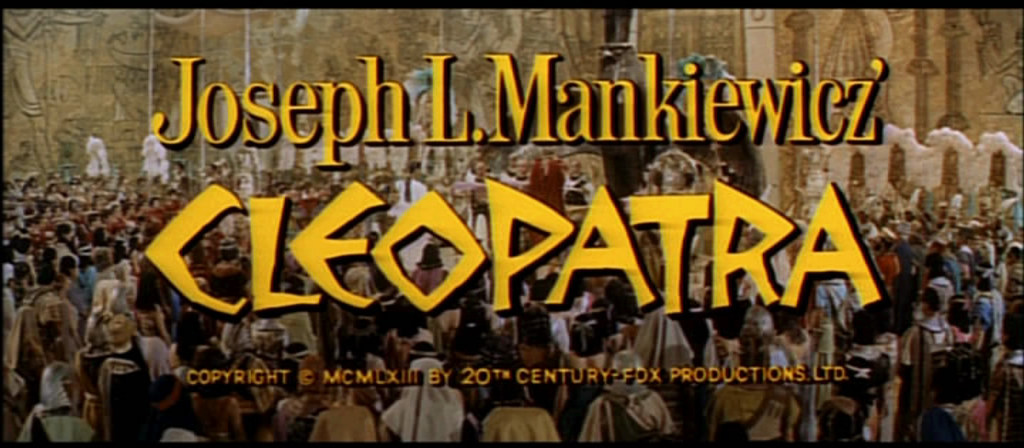

Structure and common elements
Most trailers use rapid editing and a clear narrative arc: an opening hook, development of stakes, a climax or striking image, and a final title card with release information. Typical elements include licensed or original music, selective dialogue, a narrator or slogan, and on‑screen text for credits and dates. Editors aim to balance information and surprise: effective trailers tease key conflicts while avoiding major spoilers. Some trailers are tailored for specific audience channels and may use alternate cuts or language for different markets.
Types and formats
- Teaser trailer: Very short and early, meant to announce a film or franchise and set tone rather than show plot.
- Full trailer: Longer preview that outlines more of the story and characters, usually released closer to the premiere.
- TV spot: Short advertising clips, often 15–30 seconds, designed for broadcast interruption.
- Red‑band/green‑band variations: Versions edited to respect or bypass content advisories for general or mature audiences.
History and development
The practice of previewing future films dates back to the early decades of cinema. The term "trailer" originates from the practice of showing these previews at the end of a program; they were later moved to the beginning of screenings to reach wider audiences. Over time the craft of trailer editing has become specialized, with dedicated creative teams and composers producing memorable, stand‑alone pieces of marketing artwork.
Distribution, uses and impact
Trailers are distributed across multiple platforms: in cinemas before current screenings, online through studio channels and social media, and in broadcast advertising. They also appear on home‑video releases such as DVDs and home video and in television promotions. In theatrical contexts they are commonly screened in theaters before a feature; television channels use short spots to reach broad audiences via television.
Beyond promoting individual titles, trailers shape audience expectations, influence box office performance, and can become cultural touchstones in their own right. They are analyzed by critics and fans for tone, accuracy and the degree to which they reveal plot points, and they continue to evolve as distribution channels and viewer habits change.
Related articles
Author
AlegsaOnline.com Trailer (movie) Leandro Alegsa
URL: https://en.alegsaonline.com/art/101049