
Toms River, New Jersey: Township, county seat, and coastal community
Overview of Toms River, a township and county seat in Ocean County, New Jersey, covering geography, history, community life, notable facts, and environmental legacy.
Overview
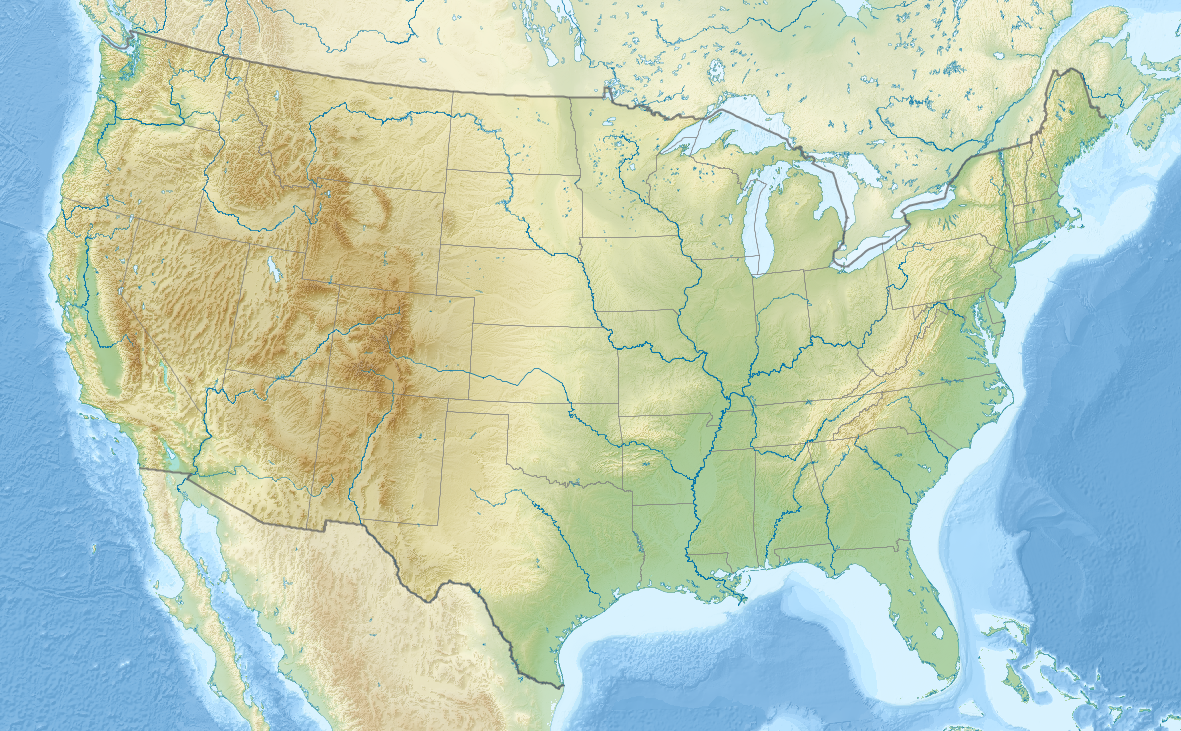
Toms River is a township in the U.S. state of New Jersey and serves as the county seat of Ocean County. Located on the central New Jersey coast, it functions as a regional hub for government, commerce, and residential life. The township combines suburban neighborhoods, waterfront areas along Barnegat Bay and the Atlantic coastline, and inland sections that border portions of the Pine Barrens.
Image gallery
10 Images





Geography and neighborhoods
The municipality includes a mixture of developed suburban districts, shore fronts, and conserved open space. Several named communities and census-designated places lie within the township boundaries, each with its own local character. Popular local amenities include public parks, marinas, beaches, and a network of roads connecting Toms River to nearby shore towns and larger metropolitan areas.
History and name
The area was long settled after European colonization and grew around the tidal river that shares the township's name. The river is commonly believed to have been named for an early settler, traditionally identified as Thomas Luker. For much of its modern history the municipality was officially called Dover Township; residents increasingly referred to it as Toms River, and the name was formally changed by vote in the early 21st century to reflect common usage.
Economy, institutions, and community life
Toms River hosts municipal and county government offices, schools, local businesses, and health-care providers that serve both residents and surrounding communities. Public and private schools, recreational leagues, cultural organizations, and seasonal tourism related to the Jersey Shore contribute to daily life. Transportation connections, including regional roadways and nearby transit options, facilitate commuting and economic links to other parts of New Jersey and the greater metropolitan region.
Environmental legacy and public health
The township received national attention for environmental contamination connected to past industrial activity and waste disposal. Those events prompted investigations, cleanup and remediation efforts, and legal actions spanning decades, as well as community interest in public health monitoring and environmental regulation. These issues played a significant role in local planning and in shaping community advocacy around land use and environmental protection.
Notable facts and resources
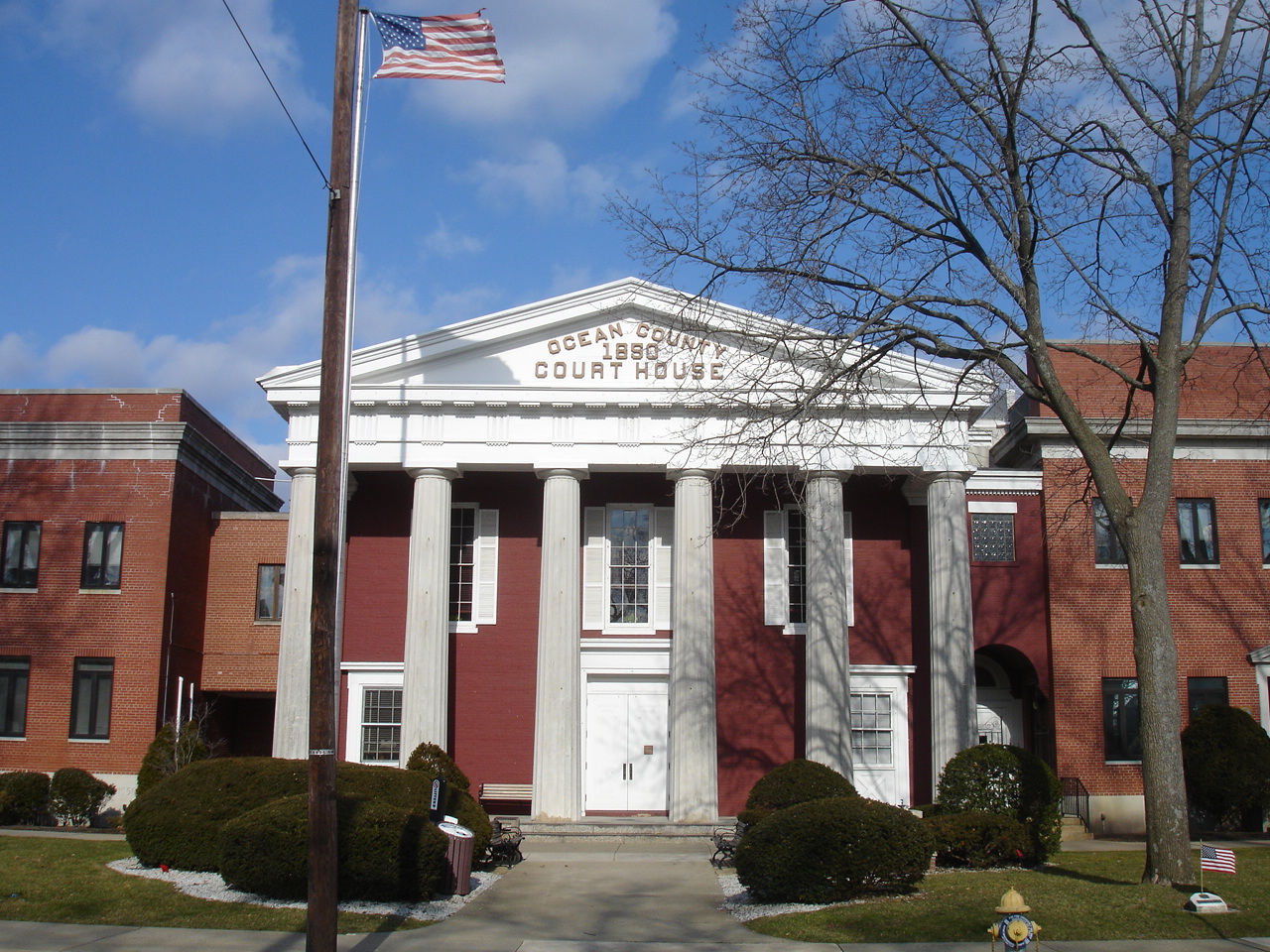
- Administrative role: Toms River is the county seat and hosts key county facilities and courts; see local government resources at county information.
- Recreation: Waterfront access, seasonal shore tourism, and outdoor trails are important to the local economy and way of life.
- Education and services: The township supports a range of public services and school programs that serve families in the region; municipal portals and community guides can be found via township links such as official township resources.
Toms River today is viewed as a large suburban and coastal community with a distinct local identity. It remains an administrative center for Ocean County and a focal point for conversations about coastal development, environmental recovery, and community resilience along the New Jersey shore.
Related articles
Author
AlegsaOnline.com Toms River, New Jersey: Township, county seat, and coastal community Leandro Alegsa
URL: https://en.alegsaonline.com/art/100502