
Tom Eckersley — British poster artist and influential design teacher
Overview of Tom Eckersley (1914–1997), his modernist poster work, visual style, teaching career, major commissions and lasting influence on British graphic design.
Overview
Tom Eckersley (30 September 1914 – 4 August 1997) was an English graphic designer best known for his poster work and for a long career as a teacher of design. Born in Lancashire, he became one of the recognizable voices of mid‑20th century British visual communication, producing bold, economical images for public transport, government information campaigns and commercial clients.
Image gallery
3 Images

Style and methods
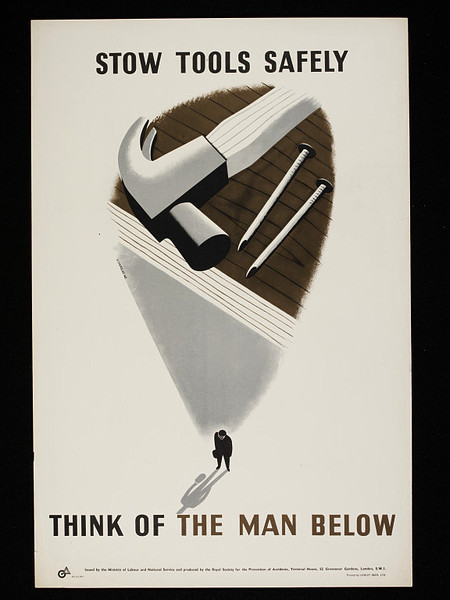
Eckersley’s work is often described as modernist in spirit: simple pictorial symbols, limited colour palettes, flat planes and clear typography. He emphasized strong concept and readability, reducing complex ideas to instantly legible shapes. Typical features include striking silhouettes, pictograms and playful but disciplined use of negative space.
Career highlights
Across his career Eckersley created many posters and printed materials for public bodies and private clients. His public commissions commonly appeared on transport systems and as part of civic information programmes during the mid‑20th century. He balanced practical commissions with experimental pieces, showing how austerity of form could carry persuasive messages.
Teaching and influence
Alongside his studio practice, Eckersley was a respected educator who taught at prominent London art and design schools. Through teaching and publishing he influenced generations of British designers, promoting clarity of concept and craftsmanship. Many students and younger practitioners cite his emphasis on visual economy as formative.
Legacy and where to see work
Today Eckersley is remembered for helping to define British poster design after the 1930s: his posters remain studied for their clarity and wit. Reproductions and collections of his work appear in books and museum displays devoted to graphic design and transport advertising. For further information and examples, see Tom Eckersley collections and resources.
Notable features and distinctions
- Economy of form: images reduced to essential elements.
- Strong use of colour contrasts for legibility at distance.
- Integration of pictorial symbol and concise type.
- Commitment to teaching and shaping design education.
Because of this blend of practice and pedagogy, Eckersley remains a reference point for designers who value direct communication and graphic elegance.
Related articles
Author
AlegsaOnline.com Tom Eckersley — British poster artist and influential design teacher Leandro Alegsa
URL: https://en.alegsaonline.com/art/100376