
Tom Finney: Preston legend and England international
Tom Finney (1922–2014) was an English professional footballer who spent his whole career at Preston North End and won numerous England caps. Celebrated for his two-footed skill, sportsmanship and lifelong link to Preston.
Overview
Tom Finney (5 April 1922 – 14 February 2014) was an English professional footballer best known for his long association with Preston North End and for representing the England national team. He became an icon of post‑war British football and was admired for his consistency, modesty and loyalty to his hometown club. Early in life he trained and worked as a plumber, a fact that led supporters to call him the Preston Plumber.
Image gallery
4 Images


Playing style and characteristics
Finney was noted for exceptional balance, pace and the rare ability to use both feet effectively. He played across the front line and on the wing, combining accurate crossing with a keen tactical sense. Observers praised his fair play, calmness under pressure and adaptability against a range of opponents.
Career and milestones
His professional career was delayed by the Second World War, after which he became the central figure at Preston North End. A devoted one‑club man, he helped Preston challenge at the top levels of English football and appeared in major domestic cup matches. He also earned many international appearances for England across more than a decade, becoming one of the era’s most reliable forwards.
Legacy and recognition
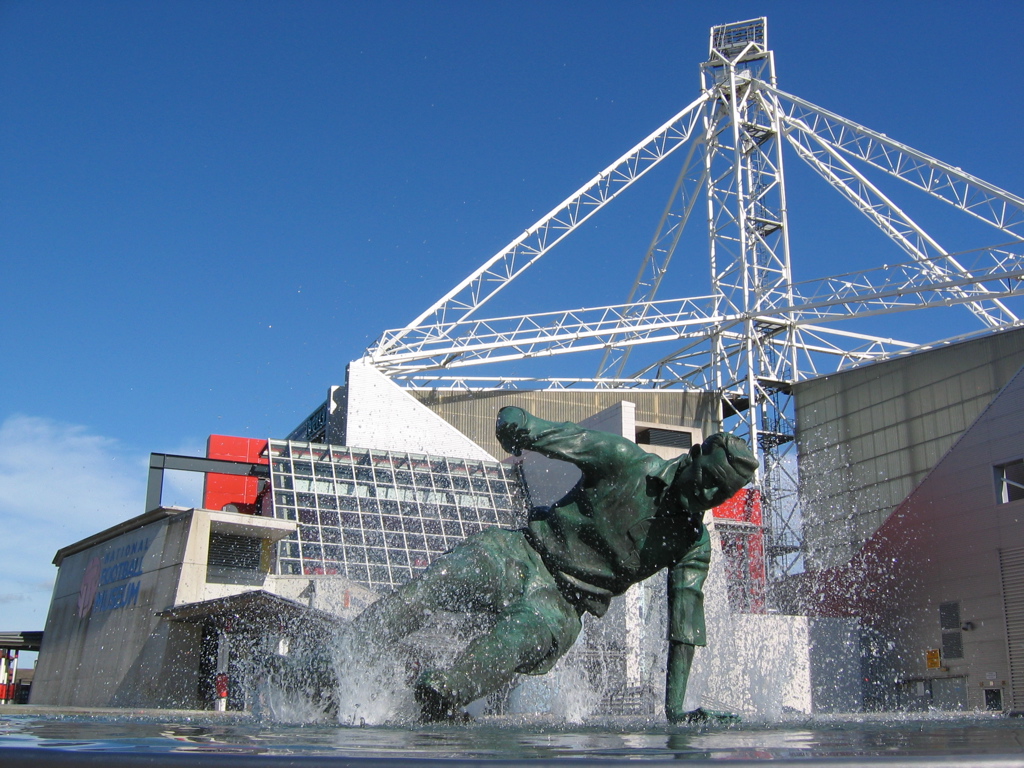
Finney’s reputation endures beyond statistics: supporters remember his sporting behaviour, community ties and public humility. Preston’s Deepdale ground honours him with a prominent statue, and his name appears frequently in lists of England’s great players. After retiring he stayed involved locally, running a sporting business and supporting charity efforts connected to the club and city.
Notable facts
- Spent his entire top‑flight playing career with Preston North End.
- Known for being two‑footed and versatile across attacking roles.
- Served his country in wartime and returned to become a leading post‑war football figure.
- Widely commemorated in civic honours and club history; further information is available in dedicated biographies and club records about his career.
Finney remains a measure of professionalism and local loyalty in English sport: a player whose influence is felt in coaching, fan memory and the way clubs celebrate homegrown legends.
Related articles
Author
AlegsaOnline.com Tom Finney: Preston legend and England international Leandro Alegsa
URL: https://en.alegsaonline.com/art/100378
Sources
- national-football-teams.com : "Tom Finney"
- rsssf.com : "Thomas 'Tom' Finney - Goals in International Matches"