
Tom Keene (1896–1963) — American film actor
Actor born George Duryea, Tom Keene was a leading man in silent and early sound westerns who later worked in B-movies and character parts, and appeared in Ed Wood’s Plan 9 from Outer Space.
Tom Keene (born George Duryea, 1896–1963) was an American actor whose career spanned the silent era into the age of sound. He became best known as a screen western hero and a reliable lead in low- to mid-budget films, later transitioning into character and supporting roles. His longevity in the industry illustrates the adaptability required of many performers who bridged two major periods of cinema history.
Image gallery
7 Images
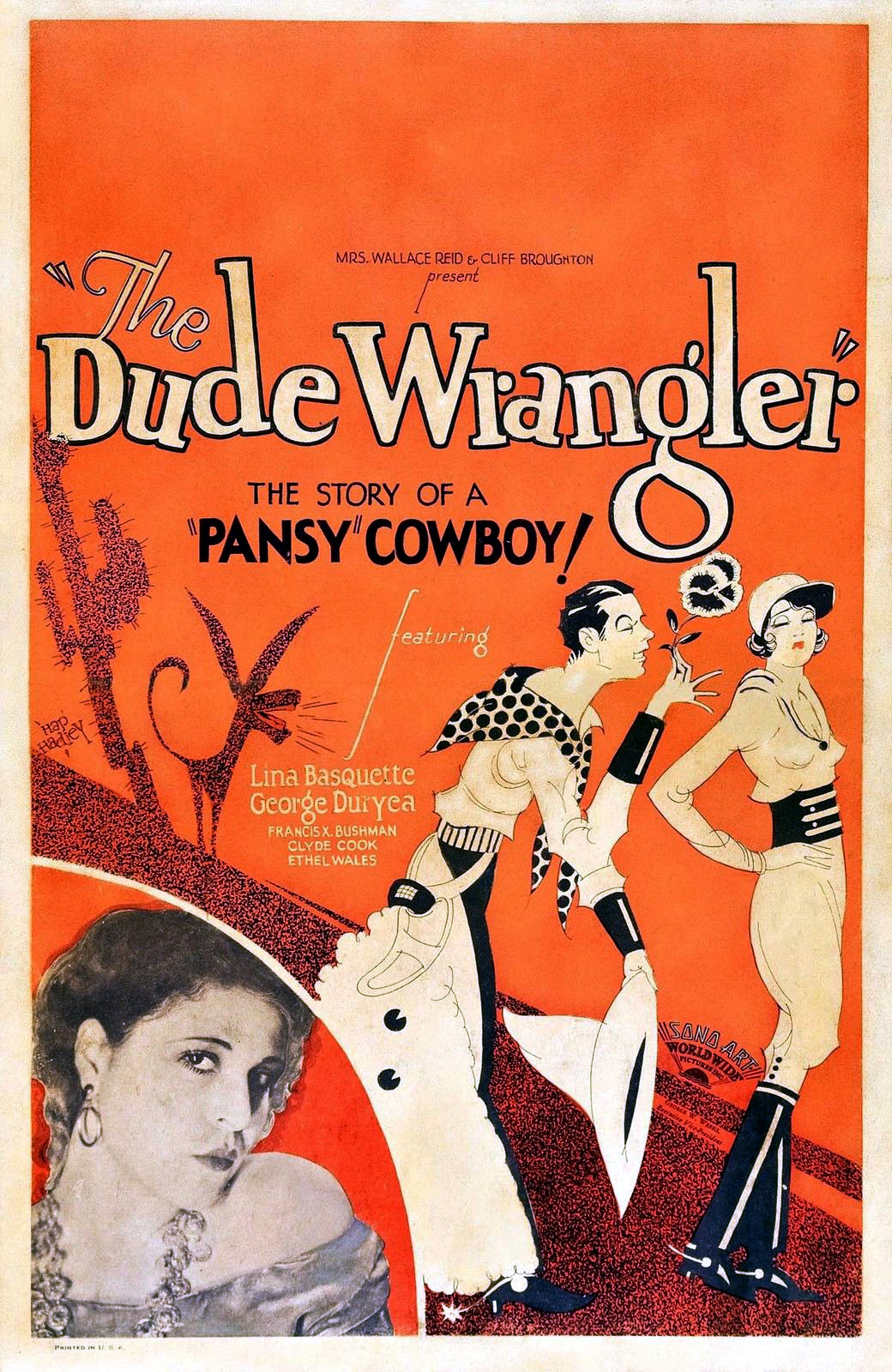



Career and screen persona
Keene built a reputation for portraying rugged, moral protagonists in westerns, serials and action pictures. As a leading man he combined a straightforward, workmanlike presence with the physical skills demanded by outdoor adventure films. With the coming of talking pictures he continued to find steady work, often in B-films where actors were expected to carry a film on modest budgets and tight schedules.
Notable works and legacy
Across decades of film production Keene appeared in a wide range of projects that exemplified popular American genres of the time. Late in his career he took a supporting role in a cult classic: director Ed Wood cast him in Plan 9 from Outer Space, a movie that later became famous for its unconventional production and enthusiastic cult following. That appearance helped maintain his visibility to later generations of film fans.
Name change and later work
At a later stage Keene adopted the professional name Richard Powers for some of his screen and television credits, a step not uncommon for actors seeking to refresh their careers. Under both names he continued working in smaller roles and occasional television appearances through the 1950s and early 1960s.
Distinctions and context
- Representative of performers who successfully moved from silent to sound cinema.
- Associated primarily with westerns and genre pictures characteristic of studio-era B production.
- Often confused with other entertainment figures of later decades who share the same name; context and dates help distinguish him.
Keene’s career illustrates the arc of a working actor in classic Hollywood: steady output, genre specialization, and later reinvention—elements that make him a useful example when studying American film history of the first half of the 20th century.
Related articles
Author
AlegsaOnline.com Tom Keene (1896–1963) — American film actor Leandro Alegsa
URL: https://en.alegsaonline.com/art/100386