
Tollet — municipality in Grieskirchen district, Upper Austria
Tollet is a small rural municipality in the Grieskirchen district of Upper Austria, Austria, noted for agricultural landscapes, local community life, historical buildings and regional connections.
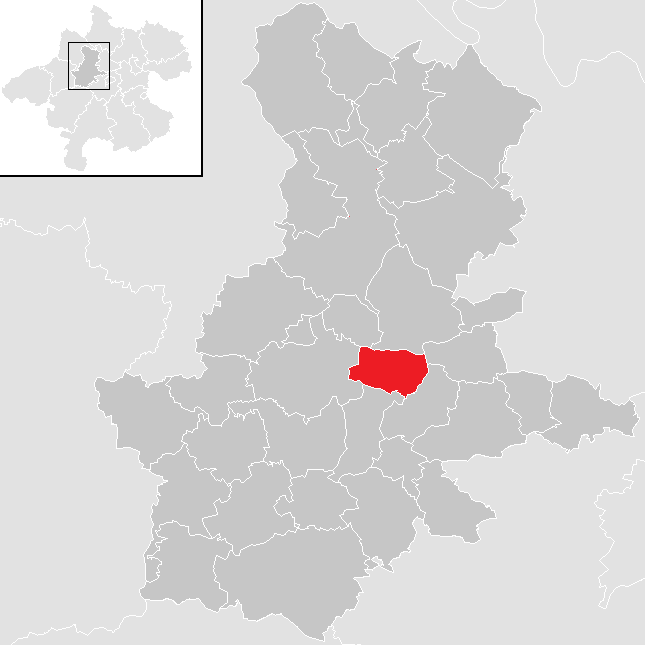
Tollet is a municipality in the district of Grieskirchen in the Austrian state of Upper Austria. It lies within the country of Austria and forms part of a network of small villages and farming communities typical of the region. The settlement pattern is predominantly rural, with fields, meadows and small clusters of houses around a village centre.
Image gallery
3 Images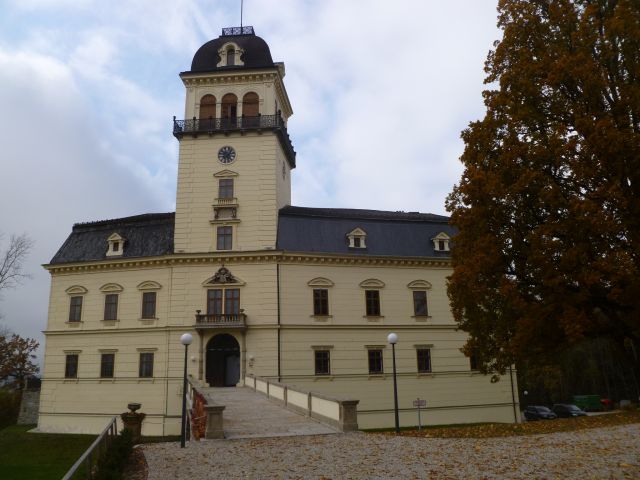

Geography and environment
The surrounding landscape is characterised by gently rolling terrain, mixed arable land and patches of woodland. Small streams and drainage channels shape local land use and support biodiversity typical of central European lowland areas. The climate is temperate continental, with warm summers and cold winters, and seasonal rhythms play an important role in agricultural activity and local life.
Administration and population
Tollet is administered as part of the Grieskirchen district and is governed by a municipal council and mayor who manage local services such as planning, basic infrastructure and community facilities. Populations in municipalities of this type are generally small and dispersed across the main village and surrounding hamlets. Civic life frequently revolves around municipal offices, parish institutions, schools and volunteer organisations such as the volunteer fire brigade or clubs.
History and cultural heritage
The settlement has historical roots in the broader development of Upper Austria, shaped by medieval agriculture and later administrative changes. Typical local heritage includes parish churches, traditional farmhouses and occasional manor houses that reflect regional architectural styles. Annual festivals and customs preserve folk traditions and provide focal points for community identity.
Economy, transport and community
The local economy is dominated by agriculture, with small businesses, crafts and services supporting residents. Many inhabitants commute to nearby towns for employment, education and specialist services. Road links connect Tollet to neighbouring communities and the district centre, while regional bus services provide public transport options. Points of interest are modest and local in scale: historic buildings, marked walking routes and community centres that serve both residents and visitors exploring rural Upper Austria.
Related articles
Author
AlegsaOnline.com Tollet — municipality in Grieskirchen district, Upper Austria Leandro Alegsa
URL: https://en.alegsaonline.com/art/100356