
Bedford, New Hampshire — Town profile, history, and community
Bedford is a town in Hillsborough County, New Hampshire, United States. A largely residential suburb of Manchester, it had a population of 21,203 at the 2010 census and is known for schools, parks, and conservation.
Overview
Bedford is a town in Hillsborough County, in the state of New Hampshire, United States. According to the 2010 census, the town recorded a population of 21,203 (2010 census data). Bedford lies adjacent to the city of Manchester and functions largely as a suburban community with residential neighborhoods, small commercial centers, and pockets of open space.
Image gallery
3 Images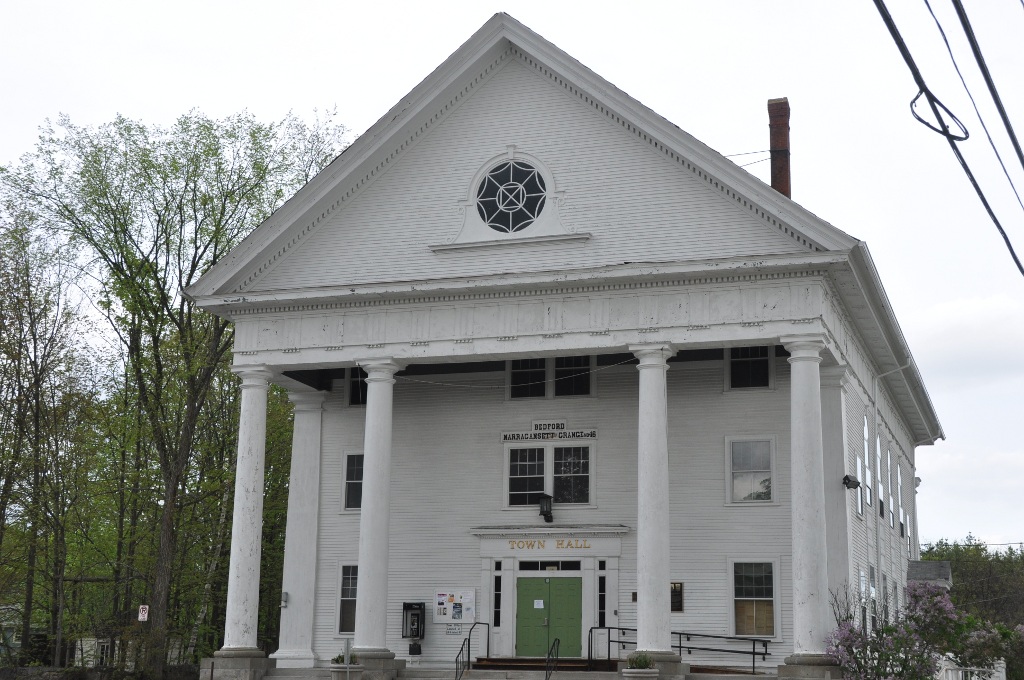


Characteristics and local makeup
Today Bedford combines single-family neighborhoods, institutional uses, and light commercial development. The town center and its nearby streets host civic buildings, schools, and local shops. Many residents commute to nearby urban employment hubs, while a portion of the local economy is supported by small businesses, professional services, and regional retail.
History and development
Bedford’s origins trace to the colonial era when the area was settled and used for agriculture and timber. Over the 19th and 20th centuries the town evolved from a rural farming community into a suburban town as transportation and nearby industrial growth encouraged residential development. The landscape retains historic farmsteads and road patterns alongside newer subdivisions built in the latter half of the 20th century.
Government, schools, and services
The town is governed by local elected officials and provides typical municipal services such as public safety, road maintenance, and community planning. Public education is an important local institution, with Bedford’s schools serving families from across the town and contributing to community activities and identity. Town meetings, boards, and committees guide planning, zoning, and capital investments.
Recreation, conservation, and notable features
Bedford places emphasis on parks, trails, and conservation land that preserve woodlands and water features within town boundaries. Outdoor recreation, seasonal community events, and local sports are part of day-to-day life for many residents. Notable features include preserved open space, neighborhood parks, and access to regional amenities in the nearby city.
Distinctive points
- Proximity to a larger urban center gives residents convenient access to jobs, cultural venues, and transportation.
- Mixture of historic elements and post-war suburban development reflects broader New England patterns of change.
- Community planning often balances growth with conservation of scenic and recreational spaces.
For more detailed municipal information, planning documents, or demographic updates, consult the town’s official resources and regional data portals linked by state and county agencies.
Related articles
Author
AlegsaOnline.com Bedford, New Hampshire — Town profile, history, and community Leandro Alegsa
URL: https://en.alegsaonline.com/art/10031
Sources
- factfinder2.census.gov : "American FactFinder"