
Toksook Bay, Alaska
Toksook Bay is a remote Alaska Native city on Nelson Island in the Yukon-Kuskokwim Delta, known for its Central Yup'ik culture, subsistence lifestyle, and reliance on air and water transport.
Overview
Toksook Bay is a small, remote city in Alaska located on Nelson Island within the Yukon-Kuskokwim Delta. It is an incorporated community with a predominantly Alaska Native population where modern municipal institutions coexist with traditional Alaska Native organizations. The city is widely recognized for the continuing use of the Central Yup'ik language, communal practices, and a subsistence-oriented way of life.
Image gallery
3 Images

Geography and climate
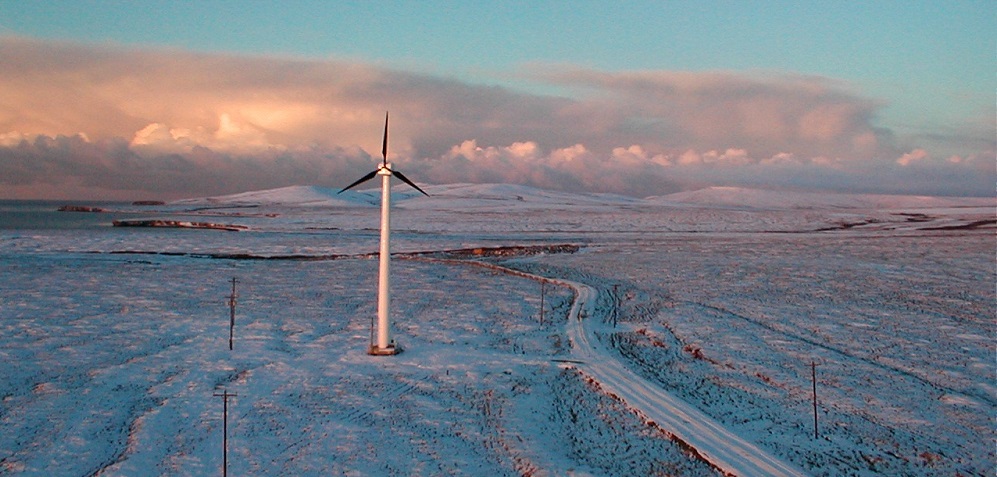
The community sits on low-lying coastal terrain characterized by tidal flats, meandering rivers, wetlands and barrier beaches. The climate is maritime subarctic with long, cold winters often influenced by sea ice and short, cool summers. Seasonal sea-ice and river conditions shape travel, harvesting and daily routines. Like many low-lying delta communities, Toksook Bay faces concerns about shoreline erosion, changing ice patterns and other effects of a warming Arctic.
People, culture and language
Toksook Bay is primarily inhabited by people of Central Yup'ik heritage. Family, kinship and communal sharing are central social principles. The Central Yup'ik language remains in active use alongside English in homes and public life. Subsistence practices—salmon and other fish harvests, marine mammal and bird hunting, and seasonal gathering of berries and plants—support food security and cultural continuity. Handicrafts such as skin sewing, basketry and beadwork, and traditional dance and song, remain important community expressions.
Economy, services and infrastructure
The local economy combines subsistence activities with limited wage employment in services, education, tribal government and public works. Typical community services include a local school, a community health clinic often operated by regional tribal health organizations, municipal offices and small retail facilities. Electric power in many similar villages is commonly supplied by diesel generation; fuel and freight costs are high because supplies must be flown in or barged during the open-water season.
Transportation
- There are no road connections to the statewide highway system; movement of people and goods depends on small aircraft, snowmachines and boats.
- Regional air service connects the village to nearby hubs, and seasonal barges deliver bulk supplies when waters are open.
- Ice and weather conditions strongly affect travel, emergency evacuation and supply schedules.
History, governance and community initiatives
Like many settlements in the Yukon-Kuskokwim Delta, Toksook Bay grew from seasonal camps to a permanent village during the 20th century. Local governance typically includes a municipal city government and tribal councils that coordinate cultural, social and economic programs. Community initiatives often emphasize language preservation, education, subsistence resource management and infrastructure improvements to address housing, water, sanitation and erosion protection.
Contemporary challenges
Residents confront a set of interrelated challenges: high living and fuel costs, limited local employment, remoteness, and environmental change that alters ice, wildlife and shoreline stability. At the same time, strong cultural identity, family networks and local knowledge provide resilience. Visitors should respect local customs and the importance of subsistence activities to everyday life.
Related articles
Author
AlegsaOnline.com Toksook Bay, Alaska Leandro Alegsa
URL: https://en.alegsaonline.com/art/100294