
Tokyo (former municipality, 1889–1943)
Tokyo was an administrative city in Japan from 1889 until its merger into Tokyo Metropolis in 1943. It served as the political, economic and cultural core around the Imperial Palace and later became the modern 23 wards.
Overview
Tokyo, commonly referred to in historical sources as Tokyo City, was an incorporated municipality in Japan established in 1889 during the Meiji era. It functioned as the urban center of Tokyo Prefecture and contained the national capital, including the Imperial Palace grounds and central government institutions. The municipal entity ceased to exist in 1943 when city and prefectural administrations were merged to form what is now Tokyo Metropolis.
Image gallery
10 Images





History and development
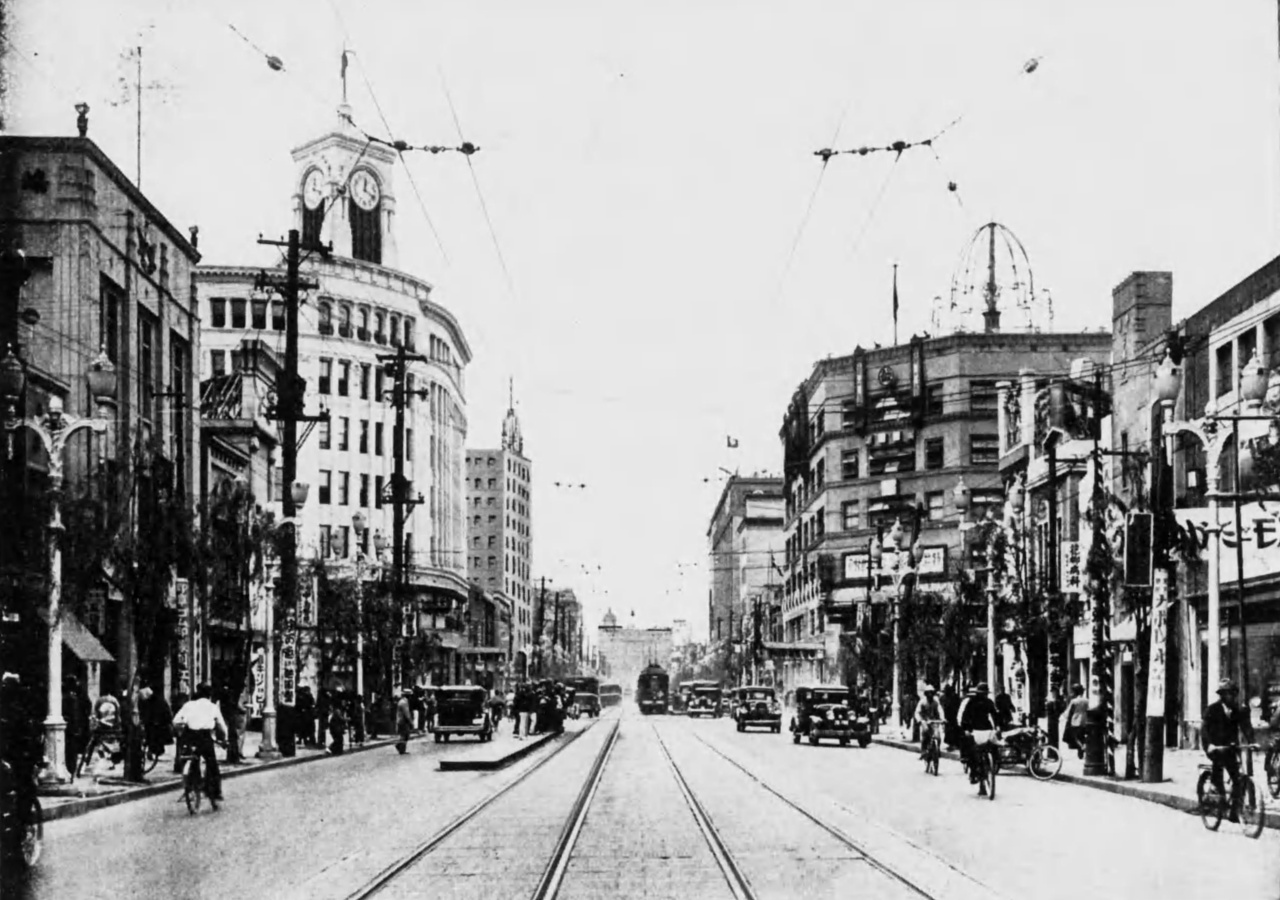
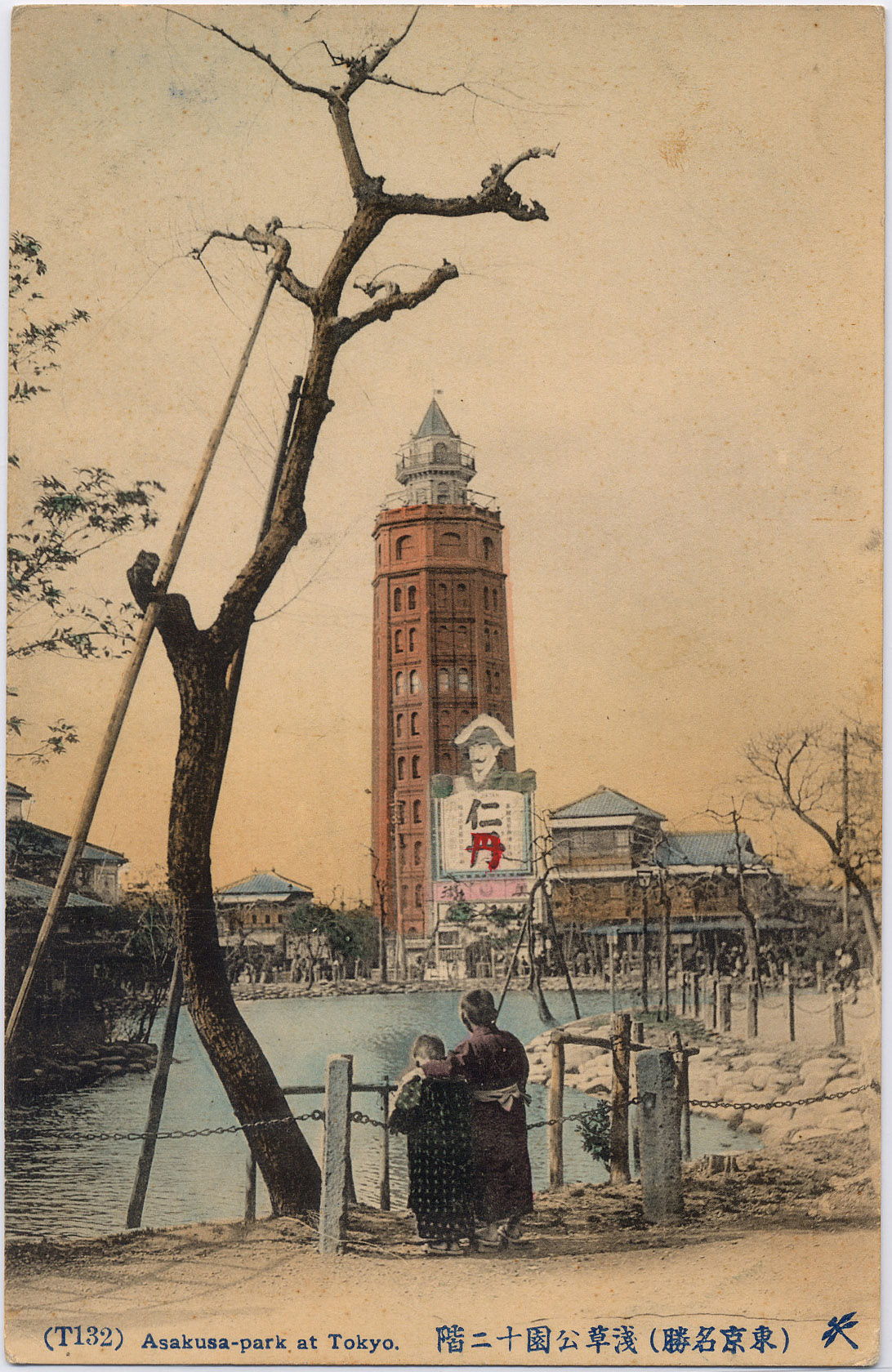
The creation of Tokyo City followed national efforts to modernize local government structure. Over the decades leading up to World War II, the city expanded through administrative reorganizations and annexations of neighboring towns and villages. It was the site of rapid industrialization, urban growth, and cultural change as Japan modernized. In 1943 the municipal government was dissolved and unified with Tokyo Prefecture to streamline administration during wartime, producing the metropolitan government known today.
Government, wards and administration
Tokyo City was governed by a mayor and city assembly under laws that applied to Japanese cities of the period. The urban area was divided into wards (ku) that handled local services; these wards formed the nucleus of the present special wards system. Over time, the arrangement of wards was adjusted to reflect population shifts and urban expansion.
Geography, economy and society
As the political and economic heart of Japan, Tokyo City concentrated national ministries, major businesses, cultural institutions, and transportation hubs. It included central neighborhoods around the Imperial Palace and commercial districts that served both domestic and international trade. The city's population grew rapidly in the early 20th century, drawing migrants from rural areas and supporting diverse industries and services.
Legacy and notable distinctions
The former municipal boundaries and institutions shaped modern Tokyo. Many central neighborhoods and administrative practices trace back to Tokyo City, and the area later became the modern 23 special wards that often function like independent cities. For related topics and disambiguation see Tokyo (disambiguation). For background on municipal systems and the historical prefecture see municipal organization, city status in Japan, and Tokyo Prefecture.
- The Imperial Palace area was the symbolic center.
- City governance was merged into a metropolitan structure in 1943.
- Today's special wards evolved from the ward system of the former city.
Related articles
Author
AlegsaOnline.com Tokyo (former municipality, 1889–1943) Leandro Alegsa
URL: https://en.alegsaonline.com/art/100325
Sources
- metro.tokyo.jp : 東京都年表 (in Japanese)