
Tlaxcala de Xicoténcatl
Capital of the Mexican state of Tlaxcala, noted for its colonial historic center, early Franciscan church, indigenous history and role as a regional administrative and cultural hub.
Overview
Tlaxcala de Xicoténcatl is the administrative capital of the Mexican state of Tlaxcala. Located on the high central plateau of Mexico, the city serves as the political, cultural and economic center for the surrounding region. The municipal seat has a population of roughly 84,000 people, while the broader urban area reaches approximately 250,000 inhabitants, making it the focal point of the country’s smallest state.
Image gallery
10 Images


Character and geography
The city occupies a compact historic core surrounded by more modern neighborhoods. Its setting on the Mexican Altiplano gives it a temperate climate and agricultural surroundings that historically supported small-scale farming. As a capital of a small state, Tlaxcala combines governmental institutions with markets, museums and cultural venues oriented to both residents and visitors.
History
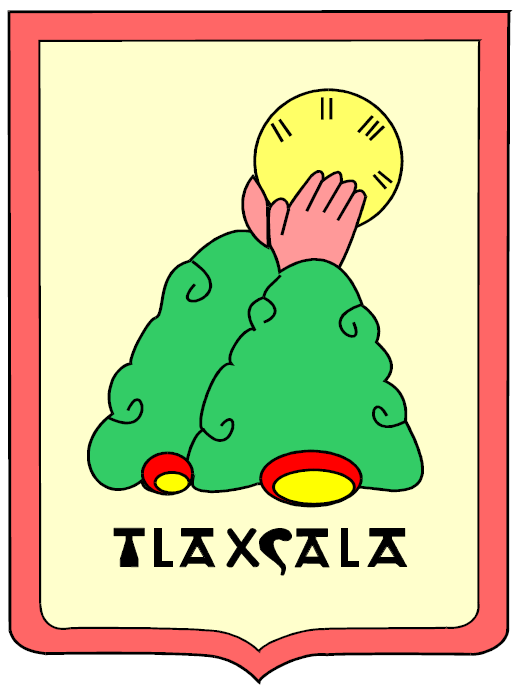
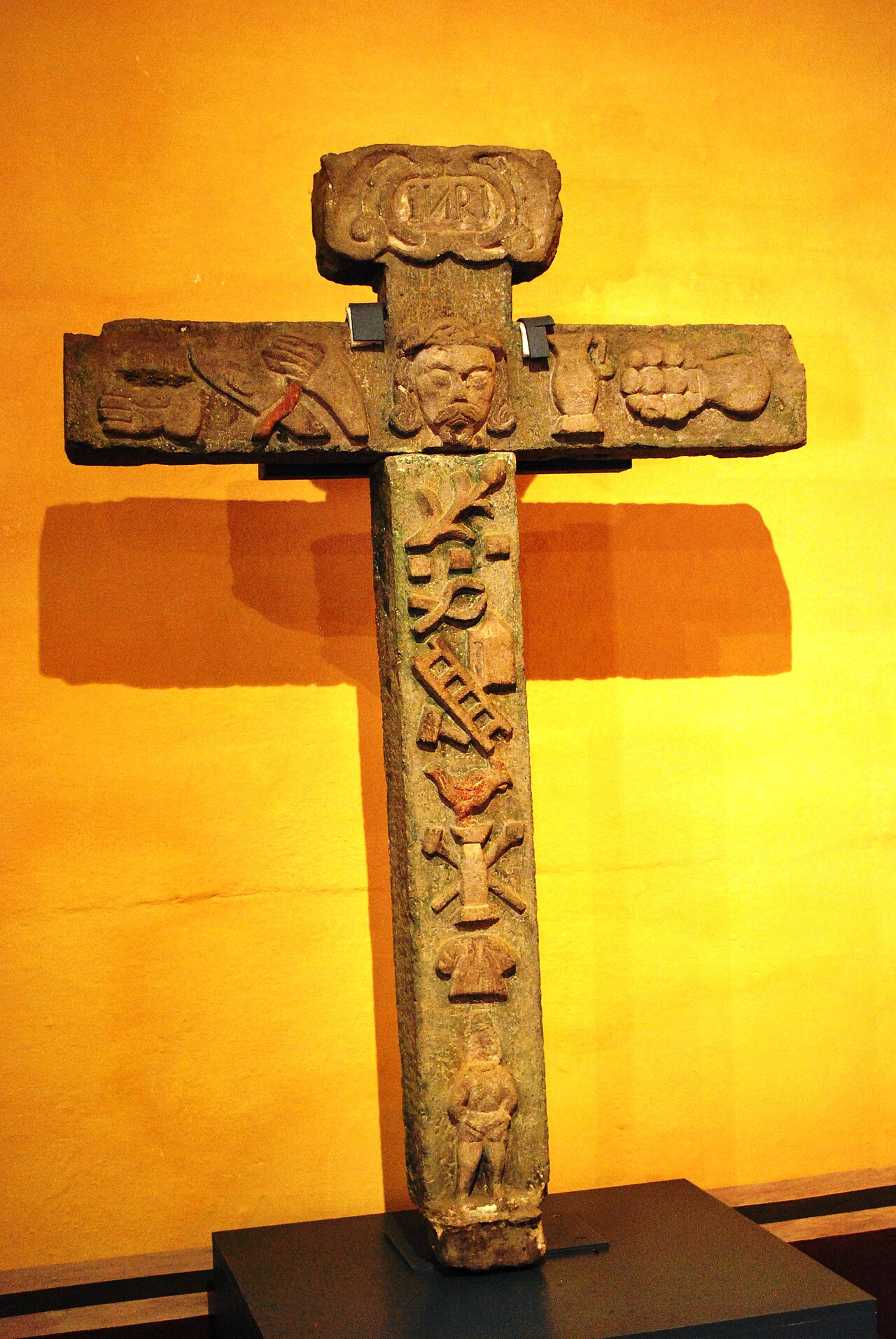
Tlaxcala has deep indigenous roots as the center of the Tlaxcaltec people, who maintained a distinctive political identity during the pre-Hispanic and early colonial eras. During the Spanish conquest of the 16th century, Tlaxcaltec leaders allied with Hernán Cortés against the Aztec Empire, a complex relationship that shaped colonial-era privileges and local governance. Over the centuries the city developed into a colonial town with churches, civic buildings and a central plaza that remain important to its identity.
Architectural and cultural sights
The city’s historic center contains colonial-era public buildings, convents and churches surrounded by narrow streets and plazas. One of the most notable religious sites is the early Franciscan church of San Francisco, founded in the first decades of the colonial period (often associated with the year 1521) and considered among the earliest Franciscan establishments in the region. Visitors also find museums, regional craft shops and municipal buildings that display local history and art.
Culture, festivals and economy
Tlaxcala’s cultural life blends indigenous traditions and Spanish-derived Catholic practices. Annual religious processions, civic celebrations and regional festivals attract local and regional visitors, showcasing traditional music, dance and cuisine. Economically, the city functions as an administrative center; tourism, public services, small commerce and handicrafts contribute to its economy.
Distinctions and notes
The city’s name honors the pre-Hispanic leader Xicoténcatl and reflects its indigenous heritage. As the capital of Mexico’s smallest state by area, Tlaxcala de Xicoténcatl is disproportionately important as a repository of regional history and colonial architecture. For readers seeking further information on administration, travel or local institutions, the municipal and state websites provide updated resources and event calendars.
- Approximate city population: 84,000.
- Approximate urban-area population: 250,000.
- Notable early colonial church: San Francisco (early 16th century).
Related articles
Author
AlegsaOnline.com Tlaxcala de Xicoténcatl Leandro Alegsa
URL: https://en.alegsaonline.com/art/100165