
Tikrit: history, geography, and modern significance
Tikrit is an Iraqi city on the Tigris River known for its long history, Sunni Arab majority, and as the hometown of figures such as Saladin and Saddam Hussein; it has faced recent conflict and reconstruction.
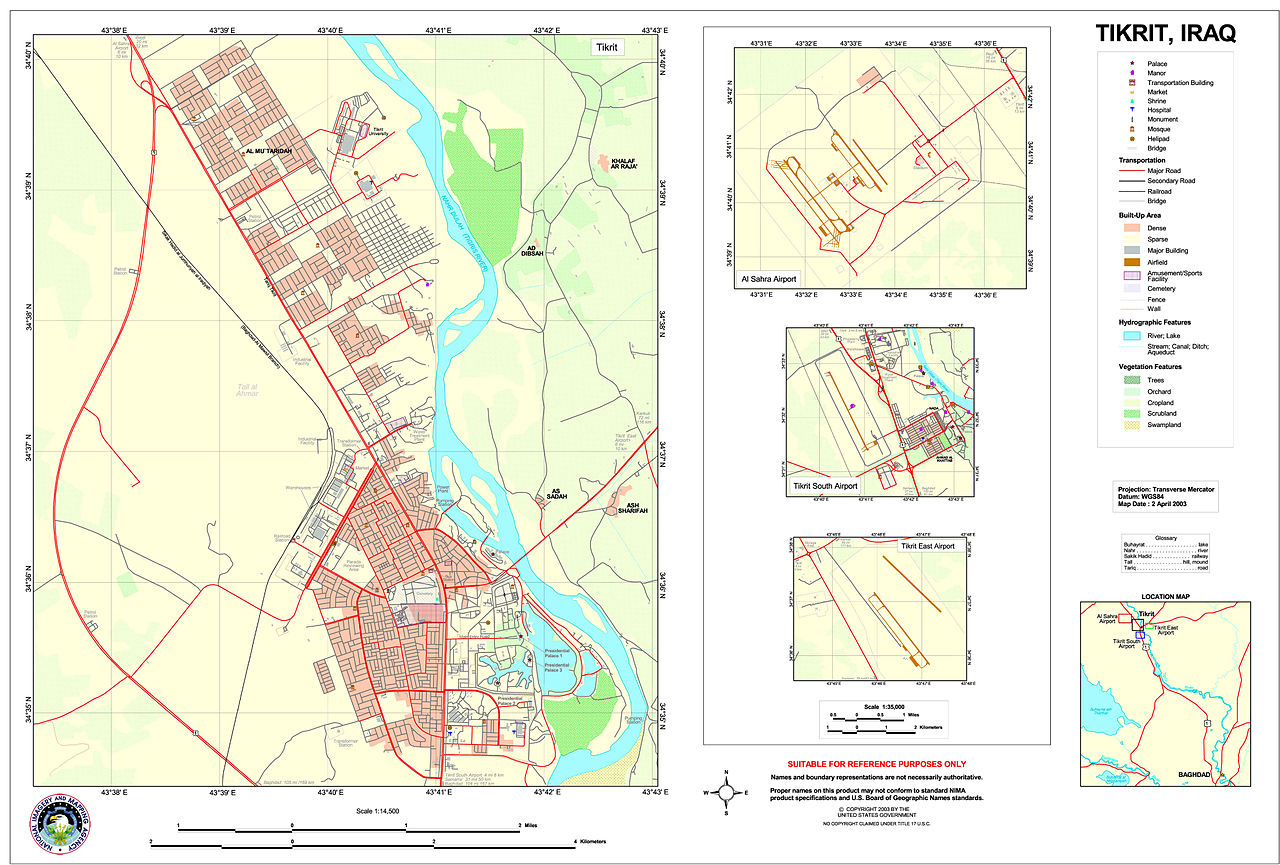
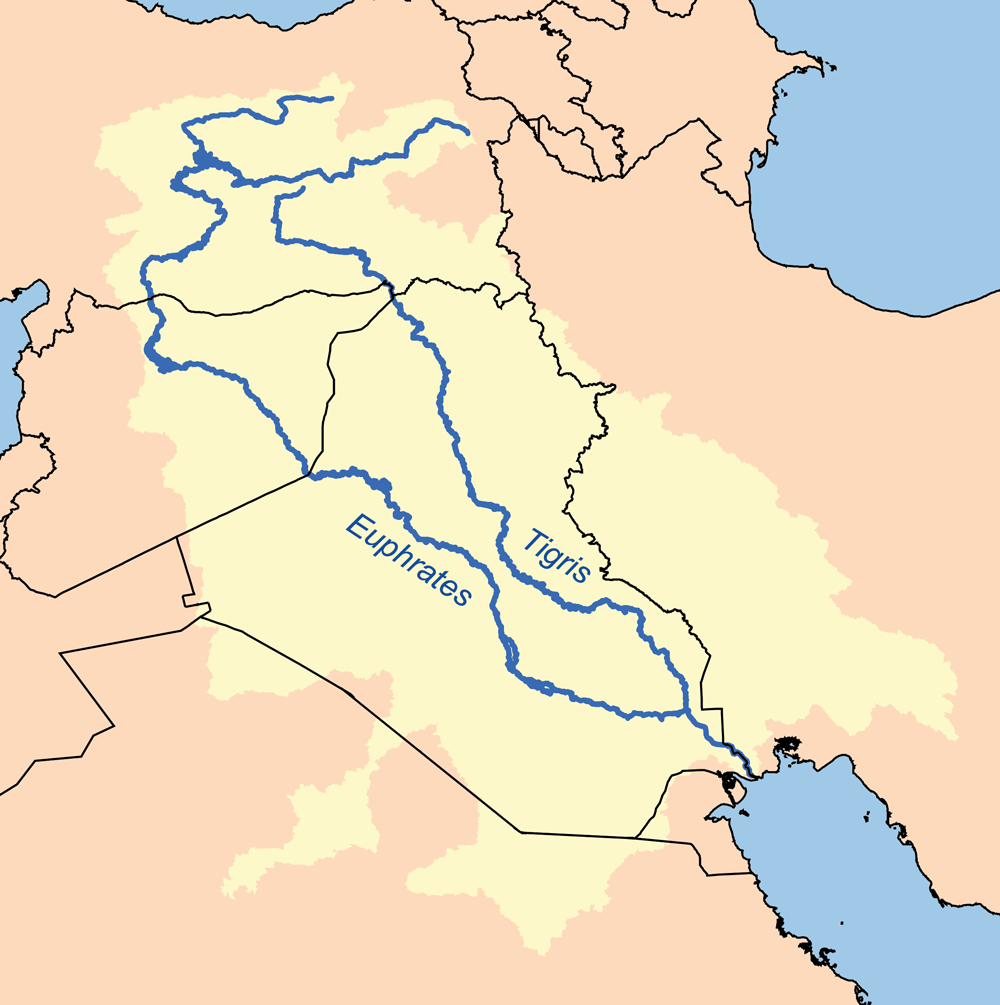
Tikrit is a city in central Iraq situated on the northeastern bank of the Tigris River. It lies northwest of Baghdad and southeast of Mosul, forming part of the modern Saladin Governorate. Tikrit has been a regional center for trade and agriculture for centuries, and in contemporary times it has been widely noted as the birthplace or hometown of prominent historical figures.

Image gallery
10 Images





Geography and population
The city's riverside setting supports irrigated farming and date groves in surrounding plains. Population estimates have varied; in the early 21st century Tikrit had on the order of a hundred thousand residents, predominantly Sunni Arabs. The urban area includes older sections along the river and newer neighborhoods that grew during the 20th century. Tikrit functions as an administrative center for the wider province and as a local market hub.

Historical development
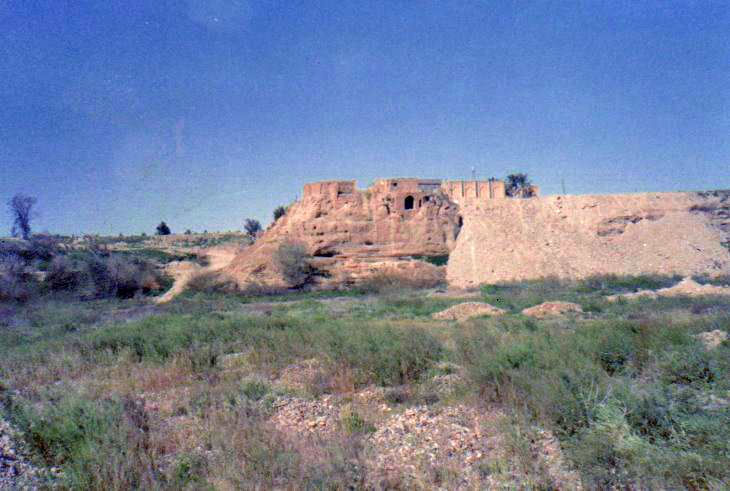
Tikrit has ancient roots and appears in records across several eras, from classical and Islamic times through Ottoman rule. In the medieval period it is known for connections to the Zangid and Ayyubid worlds; most famously, the 12th-century leader Saladin is commonly associated with Tikrit as his place of origin. Over successive centuries the town served as a local stronghold and a stop on inland trade routes that linked Mesopotamian towns along the Tigris.

20th and 21st centuries: politics and conflict
In the 20th century Tikrit gained wider attention when it became associated with Saddam Hussein, who was born in a village within the municipal district and rose to lead Iraq. His ties to the area affected local politics and development before 2003. During the 2003 invasion of Iraq and the subsequent occupation the city witnessed military operations and periods of instability. In the 2010s Tikrit was again at the center of conflict when militants captured it in 2014 and Iraqi forces, with allied militias, carried out operations to retake the city in 2015. Reconstruction and reconciliation efforts have continued since then.

Culture, sites, and economy
Tikrit's economy is principally based on agriculture along the Tigris, small-scale industry, and local services. The area preserves traditional Iraqi urban features such as riverfront markets and historic neighborhoods. Religious and historical sites reflect a multicultural past that included Muslim and Christian communities; some monasteries and shrines in the region have long-standing local importance. Visitors and scholars often note both the archaeological layers and the modern scars of conflict when studying the city.
Notable facts
- Notable natives include the medieval leader Saladin and modern political figures linked to the late 20th century; for more on Saddam Hussein see his biographical entries.
- The city is commonly referenced in regional geography and history; general information on Iraq appears via country-level resources.
- Tikrit's proximity to major Iraqi cities—Baghdad and Mosul—has shaped its strategic and economic role.
Related articles
Author
AlegsaOnline.com Tikrit: history, geography, and modern significance Leandro Alegsa
URL: https://en.alegsaonline.com/art/99856
Sources
- weather.gladstonefamily.net : "METAR Information for ORSH in Tikrit Al Sahra (Tikrit West), SD, Iraq"