
Throwback Uniforms: history, design, and cultural role
Throwback uniforms are limited-time sports uniforms that replicate or evoke a team's earlier uniforms. They honor history, boost merchandising, and appear across professional and collegiate sports.
Overview
Throwback uniforms are limited-time or one-off garments that a sports team wears to reproduce or evoke the appearance of its earlier uniforms. They are used to celebrate milestones, honor past eras or players, stimulate merchandise sales and create a sense of nostalgia among supporters. While the practice appears in many sports, it is particularly common in professional baseball, where themed promotion nights and historic replicas are part of the game-day calendar.
Image gallery
9 Images
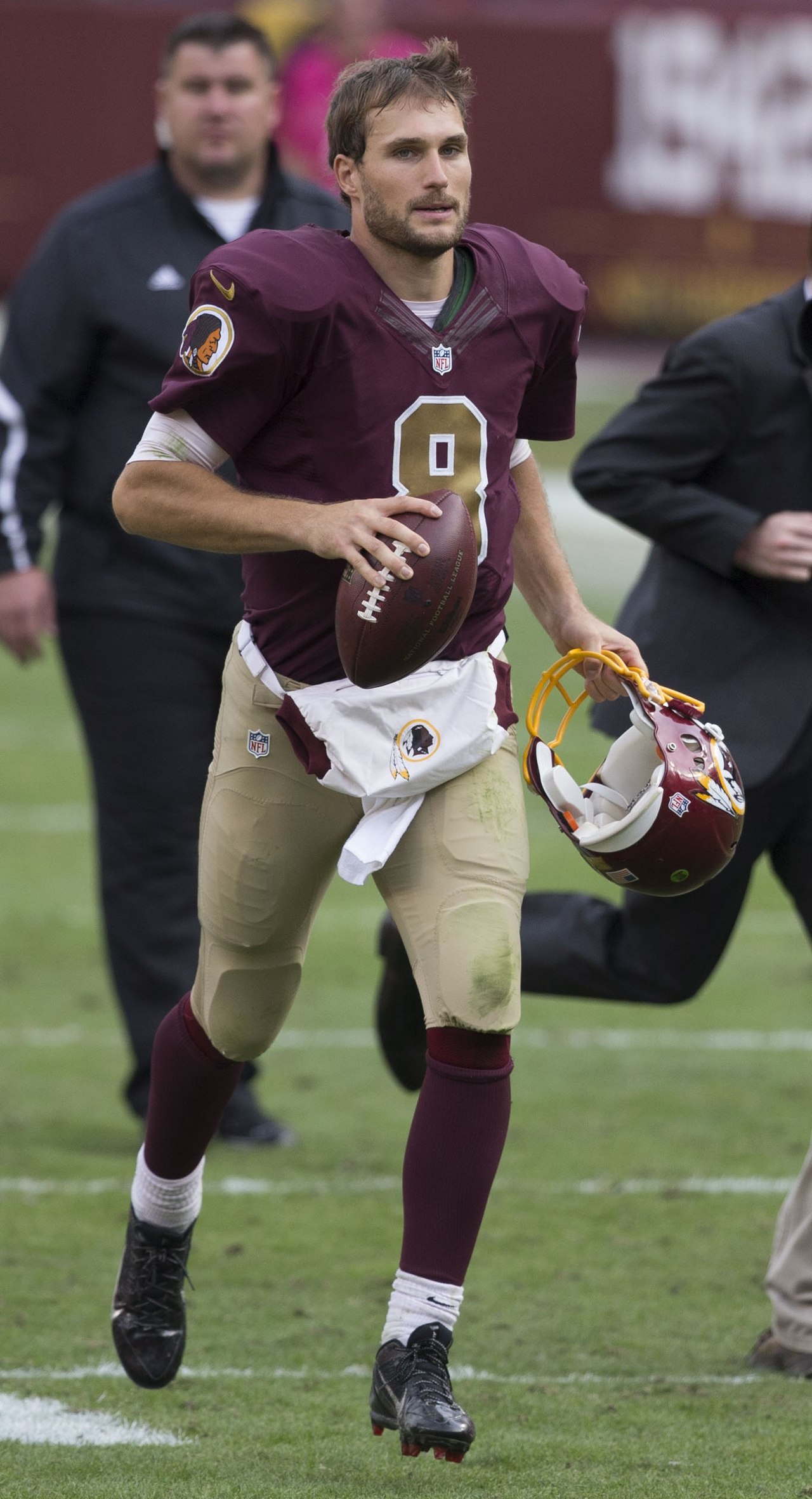


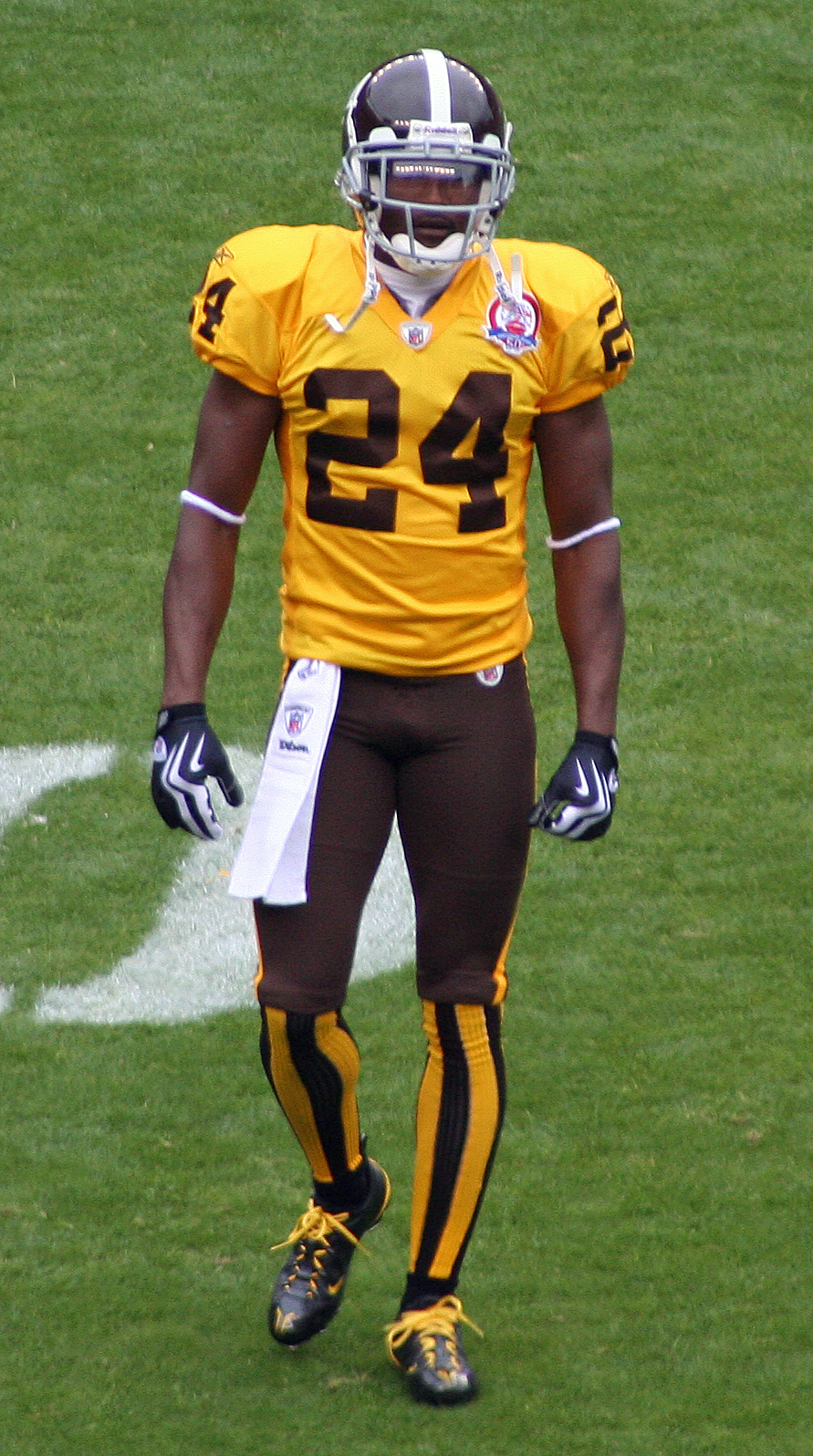


Design and characteristics
Typical throwback pieces copy colors, logos, typefaces, striping and patches from a specific period. Some reproductions aim for historical accuracy, including fabric texture and construction details, while others are modernized to meet current performance standards or league rules. Teams may distinguish between a strict reproduction and a retro-inspired or "heritage" design that blends old motifs with contemporary cuts. When a uniform references a team's past, attention is often paid to small elements—buttons, collar style or helmet decals—that signal authenticity to collectors and longtime fans.
Origins and development
The contemporary throwback trend grew in the late 20th century as teams and leagues sought to monetize nostalgia and mark anniversaries with special events. Many clubs hold themed occasions—commonly called "Turn Back the Clock" nights—to present a coordinated look that recalls an earlier decade. Major League Baseball helped popularize these promotions, and the idea soon spread to the National Football League, National Basketball Association, National Hockey League and collegiate programs.
Uses and cultural significance
Throwbacks serve several functions: they connect fans to a franchise's history, spotlight legacy players, and generate short-term revenue through limited-run merchandise. They also act as storytelling devices when organizations want to commemorate championships, relocations, or rebrandings. In some communities, a throwback uniform becomes a focal point for intergenerational memory and local identity.
Variations and notable considerations
- Authentic reproductions replicate construction and materials; modern versions prioritize performance and fit.
- Some designs are "fauxbacks": new uniforms that borrow vintage cues without copying a single historic jersey.
- Choices can spark debate—about historical accuracy, cultural sensitivity or the commercialization of nostalgia.
Overall, throwback uniforms are a versatile part of sports culture. They blend design, marketing and memory, offering fans a tangible connection to earlier chapters in a team's story while allowing leagues and clubs to highlight heritage in a visible, celebratory way. For comparisons of how different franchises manage retro releases, see league pages and team histories via further reading and news summaries at related coverage.
Related articles
Author
AlegsaOnline.com Throwback Uniforms: history, design, and cultural role Leandro Alegsa
URL: https://en.alegsaonline.com/art/99683