
Beauty contest (beauty pageant): overview, history, format and issues
Public competitions that rank contestants by physical appearance and related attributes; includes formats, history, examples, cultural roles, controversies, and evolving practices.
Overview
A beauty contest, also called a beauty pageant, is a public competition that evaluates entrants—traditionally women—primarily on physical appearance, together with elements of personality, talent and public speaking. Participants are usually called contestants and winners are often referred to as "beauty queens." Pageants range from small local events to national and international competitions, and can focus on age groups, gender, or particular causes.
Image gallery
7 Images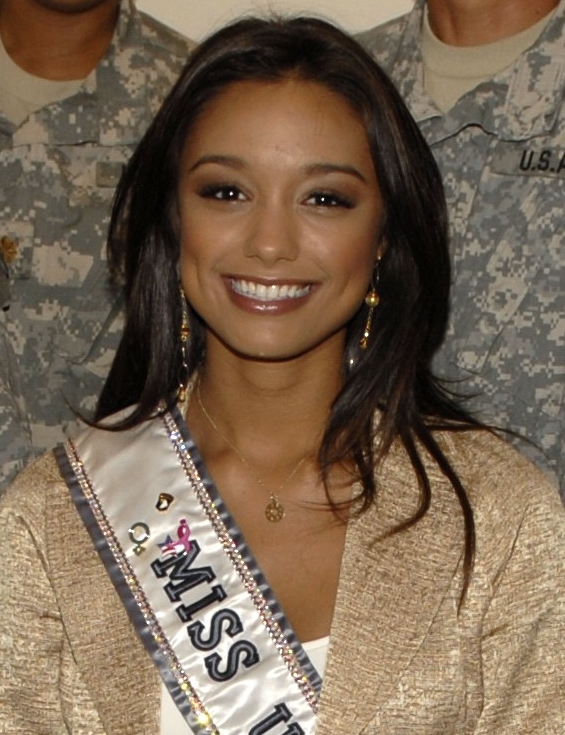



Format and judging
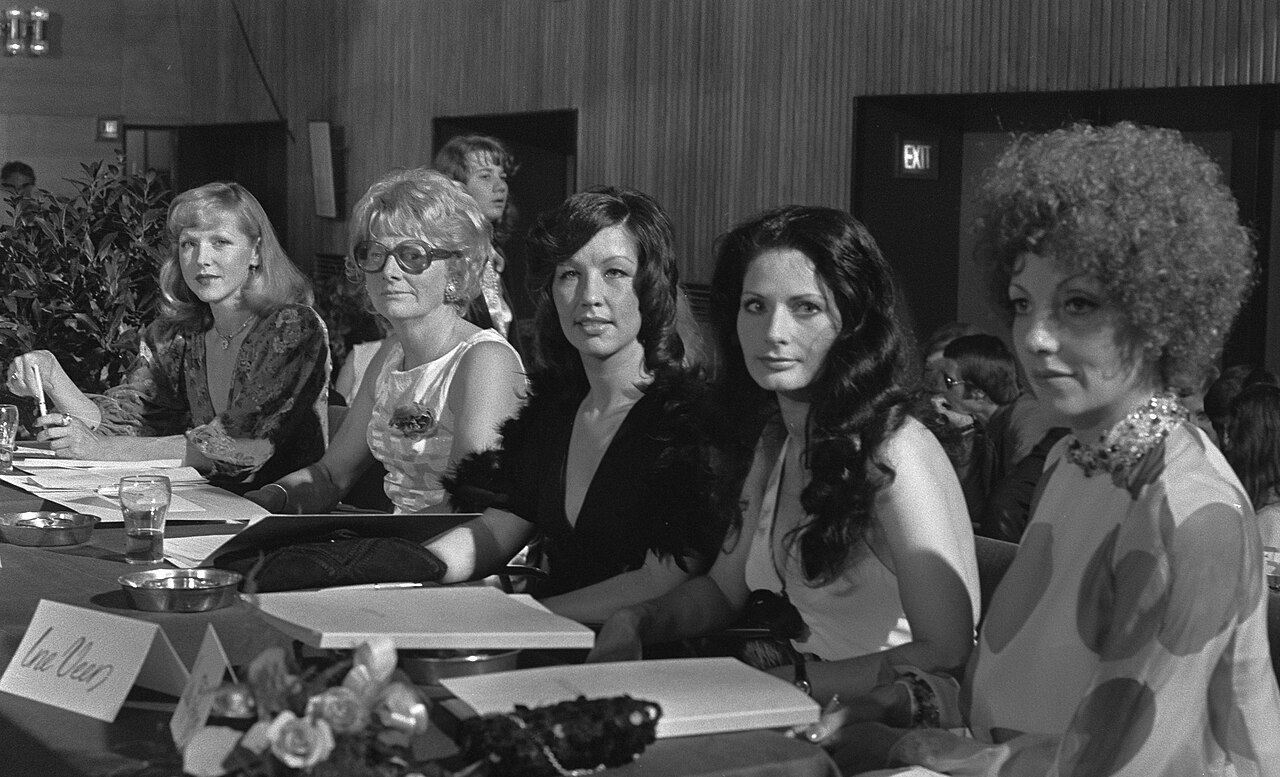
Most pageants follow a multi-stage format that allows judges to assess different qualities. Typical segments include preliminary interviews, talent demonstrations, swimwear or athletic wear, evening gown presentation and a final question-and-answer round. Judges score contestants on a combination of criteria such as physical appearance, poise, confidence, communication skills and community involvement. Prizes may include trophies, crowns, scholarships, contracts, or ambassadorial roles for a sponsoring organization.
- Common stages: interview, talent, swimwear, evening gown, final Q&A
- Outcomes: winner, runners-up, special awards (e.g., congeniality, talent)
History and development
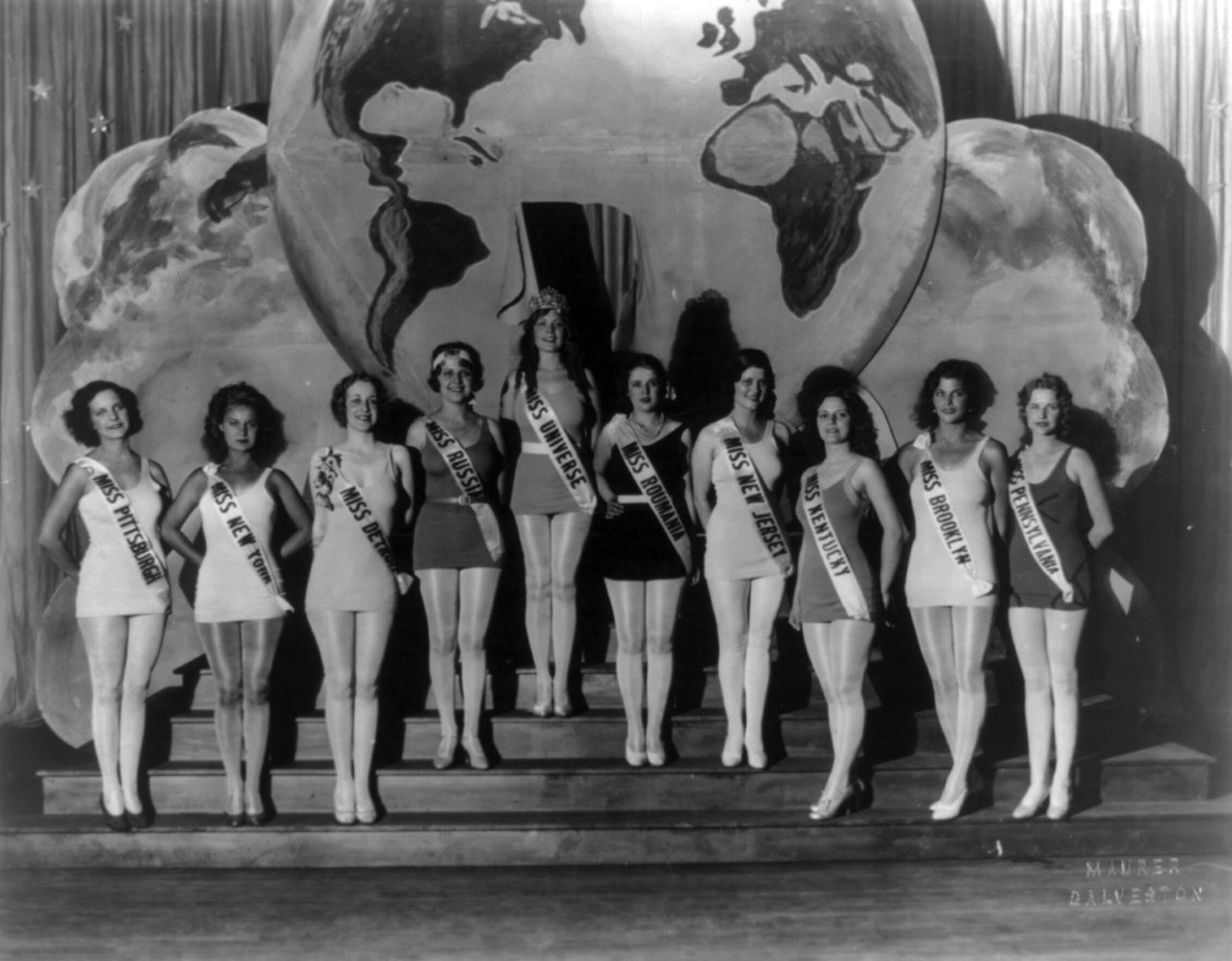
Public contests to determine local "most beautiful" participants have roots in fairs and civic celebrations. Early modern pageants became more organized in the late nineteenth and early twentieth centuries, particularly in the United States. Some sources point to small seaside or community events—claims include an 1880 contest in Rehoboth Beach, Delaware—as early examples of the format that later evolved into larger contests.
Notable examples
Several international competitions have become well known through media coverage and television broadcasts. Examples of prominent pageants include:
- Miss World — one of the oldest international pageants, founded to raise money for charity and showcase contestants from many countries.
- Miss Universe — a high-profile international contest emphasizing beauty, personality and public presence.
- Miss Earth — an event that highlights environmental advocacy alongside traditional pageant elements.
Social roles, benefits and criticism
Supporters argue that pageants provide opportunities for personal development, scholarships, charitable work and careers in media or public relations. Winners often act as spokespeople or ambassadors during their reign, promoting causes or sponsors. Pageants can also be important cultural events that celebrate national or regional identity.
However, beauty contests have long attracted criticism. Critics contend they can reinforce narrow standards of physical attractiveness, objectify participants and commercialize appearance. Feminist movements and changing cultural attitudes have prompted many organizations to reform formats—adding emphasis on education, talent, community service and inclusivity, or removing certain segments. Debates also surround eligibility rules, including those related to gender identity; some organizations have updated policies to be more inclusive, while others have faced controversy over changes.
Contemporary trends and distinctions
In recent decades the pageant world has diversified. There are now contests specifically for various age groups, for men, for contestants with disabilities, and for different gender identities. Some pageants prioritize scholarship and social impact, while others remain entertainment-focused. Local and regional competitions continue to feed national and international circuits, and the media presentation of pageants—televised finals, online coverage and social media—shapes how these events are perceived in the wider culture.
Overall, beauty contests are multifaceted phenomena: social events, promotional platforms and cultural flashpoints that reflect broader conversations about beauty, gender and public representation.


The biggest competitions
By number of contestants, these are currently (or were temporarily) the seven largest international beauty pageants:
| MissInternational | MissIntercontinental | MissTourism | MissSupranational | ||||
| Year | since 1951 | since 1952 | since 1960 | 1973–1983/1986–1991/1991–0000/ | since 2001 | since 2004 | since 2009 |
| 2001 | 93 | 77 | 52 | 33 | 42 | - – | - – |
| 2002 | 88 | 75 | 47 | 33 | 53 | - – | - – |
| 2003 | 106 | 71 | 45 | 34 | 57 | - – | - – |
| 2004 | 107 | 80 | 58 | 54 | 61 | 55 | - – |
| 2005 | 102 | 81 | 52 | 61 | 80 | 72 | - – |
| 2006 | 104 | 86 | 59 | 45 | 82 | 86 | - – |
| 2007 | 106 | 77 | 61 | 41 | 88 | 108 | - – |
| 2008 | 109 | 80 | 63 | 57 | 85 | 113 | - – |
| 2009 | 112 | 83 | 65 | 56 | 80 | 98 | 36 |
| 2010 | 115 | 83 | 70 | 58 | 84 | (postponed to 2011) | 66 |
| 2011 | 120 | 88 | 67 | 60 | 95 | 92 | 70 |
| 2012 | 116 | 89 | 69 | 53 | 80 | - – | 82 |
| 2013 | 127 | 86 | 67 | 59 | 88 | 43 | 83 |
| 2014 | 121 | 88 | 73 | 68 | 84 | - – | 71 |
| 2015 | 114 | 80 | 70 | 62 | 86 | 52 | 82 |
| 2016 | 117 | 86 | 69 | 63 | 83 | 33 | 71 |
See also
- Product Queen
Related articles
Author
AlegsaOnline.com Beauty contest (beauty pageant): overview, history, format and issues Leandro Alegsa
URL: https://en.alegsaonline.com/art/9947