
This Is What the Truth Feels Like
Third solo album by Gwen Stefani, released March 18, 2016 by Interscope Records; a personal pop record exploring heartbreak, recovery and modern pop production.
Overview
Gwen Stefani's third studio album, This Is What the Truth Feels Like, was released on March 18, 2016 by Interscope Records. It marked her return to solo recording after roughly a decade, following earlier albums and her long career with the band No Doubt. The record was promoted as a candid, adult-pop collection that addressed recent changes in her personal life.
The album's lyrical focus is intimate and confessional. Several tracks address themes of heartbreak, separation and emotional recovery; others look outward with playful or assertive pop hooks. Musically it blends contemporary pop production with singer-songwriter moments, ranging from piano-led ballads to upbeat, radio-friendly songs.
Recording involved a number of mainstream pop producers and collaborators, aiming for a mix of polished studio textures and more stripped arrangements. The instrumentation on the record alternates between electronic elements—synthesizers and programmed beats—and organic touches like piano and guitars, giving the album contrast between vulnerability and glossy pop craft.
Promotion for the album included multiple singles released in advance. The lead single "Used to Love You" presented a raw, emotional side of the material, while "Make Me Like You" was issued with a high-profile, live-produced music video that drew wide attention. Stefani also supported the album with televised appearances and interviews that emphasized the personal nature of the songs.
Critical response noted the album's frank songwriting and Stefani's vocal delivery; reviews ranged from mixed to positive, with many observers highlighting the honesty of the lyrics even as some commentators critiqued the mainstream pop production. The release reestablished her presence as a solo pop artist and contributed several notable singles to her catalog.
Image gallery
5 Images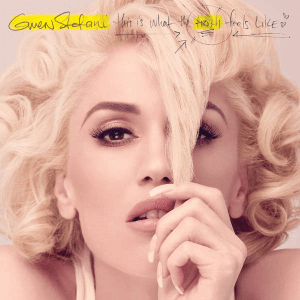


Notable facts
- Third solo studio album and first solo release in about ten years.
- Released March 18, 2016 by Interscope Records.
- Includes prominent singles such as "Used to Love You" and "Make Me Like You"; the latter featured a widely covered live-filmed video.
- Marked by personal, breakup-focused lyrics and a mix of ballads and uptempo pop songs.
- Represents a transition back to solo work for Gwen Stefani, balancing mainstream pop appeal with personal storytelling.
Related articles
Author
AlegsaOnline.com This Is What the Truth Feels Like Leandro Alegsa
URL: https://en.alegsaonline.com/art/99449
Sources
- spin.com : "Gwen Stefani Officially Announces New Solo Album, Details Track List"
- metacritic.com : "This Is What the Truth Feels Like Reviews, Ratings, Credits, and More"
- allmusic.com : "This Is What the Truth Feels Like - Gwen Stefani | Songs, Reviews, Credits"
- avclub.com : "Gwen Stefani goes her own way on This Is What The Truth Feels Like"
- ew.com : "Gwen Stefani's This Is What the Truth Feels Like: EW Review"
- nme.com : "NME Reviews - Gwen Stefani - 'This Is What The Truth Feels Like' Review"
- theguardian.com : "Gwen Stefani: This Is What the Truth Feels Like CD review – timid breakup pop"
- pitchfork.com : "Gwen Stefani: This Is What the Truth Feels Like | Album Reviews | Pitchfork"
- rollingstone.com : "Gwen Stefani's New Album: This Is What the Truth Feels Like"
- slantmagazine.com : "Gwen Stefani: This Is What the Truth Feels Like | Slant Magazine"
- spin.com : "Review: We've Got Some Doubts About Gwen Stefani's 'This Is What the Truth Feels Like'"
- usatoday.com : "Album of the week: Gwen Stefani shares her 'Truth'"
- rap-up.com : "Gwen Stefani Announces Tour with Eve"
- gwenstefani.com : "Gwen Stefani Launches Tour With EVE as Special Guest"
- rollingstone.com : "Gwen Stefani Plots 'This Is What the Truth Feels Like' Summer Tour"