
Beaurieux, Aisne — a small commune in northern France
Beaurieux is a small rural commune in the Aisne department of northern France, historically part of Picardy. This entry summarizes its geography, administration, history, economy and community life.
Beaurieux is a small rural commune in the Aisne department of northern France. Historically associated with Picardie, the locality now lies within the wider administrative region that encompasses the north of the country and participates in regional planning and services. The village typifies many small settlements in the area: predominantly agricultural, with a compact village core and scattered farmsteads.
Image gallery
2 Images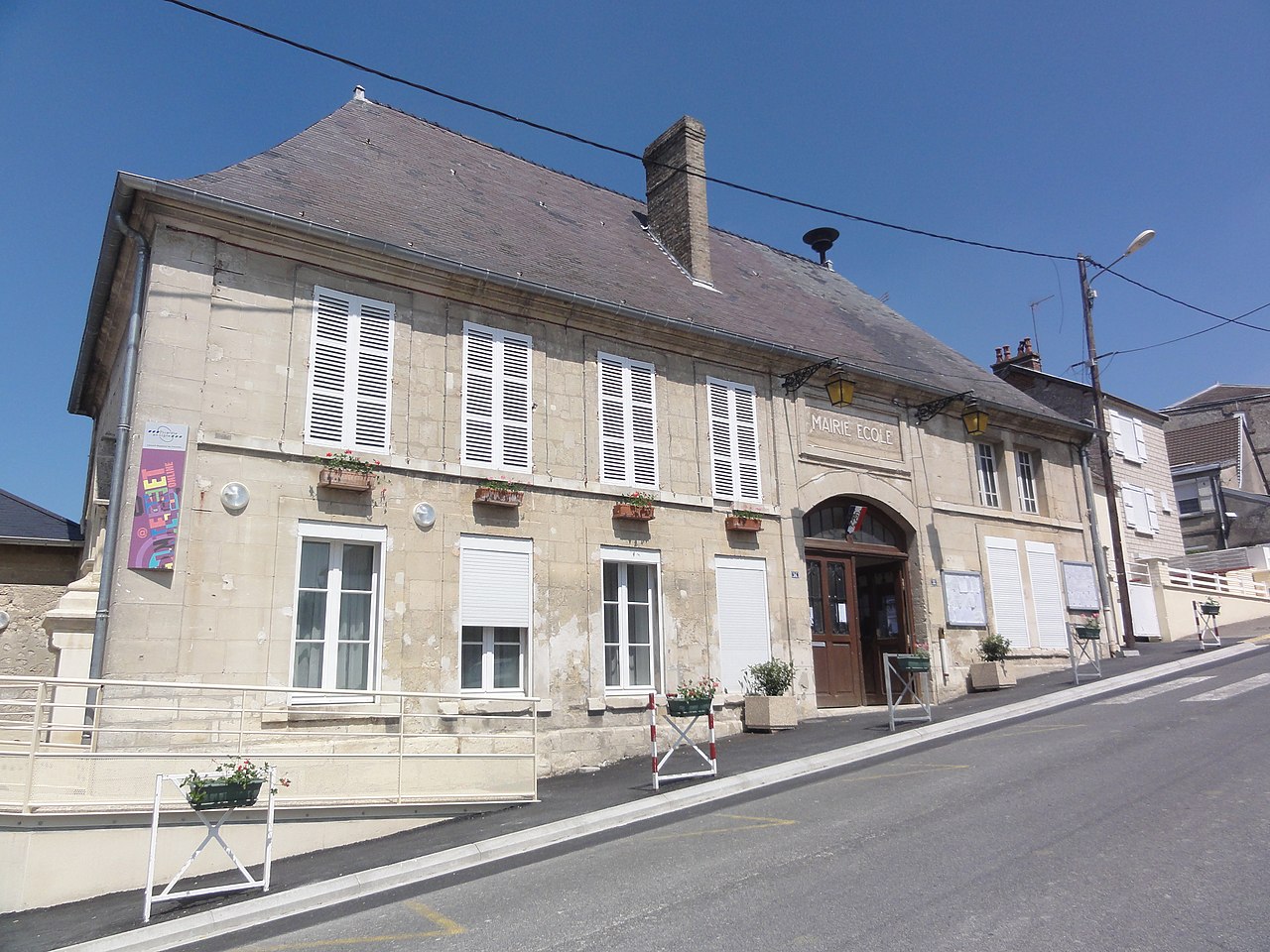

Geography and landscape
Beaurieux occupies gently rolling countryside characteristic of this part of northern France, with mixed arable fields, pastures and hedgerows. Small streams and drainage lines shape local plots and support rural biodiversity. Roads from the commune link it to neighbouring towns and regional transport routes; public transport is limited and residents commonly rely on private vehicles for shopping and work.
Administration and governance
As a French commune, Beaurieux is governed by a municipal council led by a mayor and is part of an intercommunal structure that manages shared services such as waste collection, local planning and some cultural activities. Administrative affairs are coordinated with departmental authorities and regional bodies, and information on civic procedures and local initiatives is often published through official channels and municipal notices. For formal references see the commune or departmental portals.
History and heritage
The origins of the settlement are likely medieval in character, as with many villages in the Aisne area. Over centuries the community has experienced agricultural change, rural migration patterns and the broader effects of national events; the Aisne department in particular was affected by conflicts in modern times and some localities preserve memorials or traces of those events. Local archives, parish registers and land records retain much of the recorded history and are a resource for residents and researchers.
Economy, services and daily life
Economic activity in and around Beaurieux centres on agriculture, small businesses and artisan activities. Many residents commute to nearby towns for employment, education and specialised services. The built heritage is modest: traditional farmhouses, boundary walls and often a small communal building or place of worship that serves as a focal point for cultural and social life. Local associations organise seasonal events, which help sustain community ties.
Population and community
Like many rural communes, Beaurieux has experienced demographic shifts over decades, with periods of population decline followed by stabilization or modest growth as rural living attracts new residents seeking a quieter lifestyle. Community facilities may include a village hall, shared school arrangements with neighbouring communes and recreational clubs. Visitors interested in local life should check municipal announcements or contact the town council directly.
Notable context
- Beaurieux exemplifies the small communes that form the basic level of local government in France and contribute to regional rural identity.
- Its historical ties to Picardy remain part of local identity even as administrative boundaries have evolved.
- For maps, administrative boundaries and official notices consult regional and departmental resources or the national directory of communes; some information is also available through portals focused on northern France.
For authoritative administrative details, demographic data and official contacts consult the commune's listings on departmental and regional sites or contact municipal offices directly via the usual public service channels. General information on communal governance and intercommunal cooperation is available through national and departmental resources.
Related articles
Author
AlegsaOnline.com Beaurieux, Aisne — a small commune in northern France Leandro Alegsa
URL: https://en.alegsaonline.com/art/9930