
The Office (American TV series)
An American mockumentary sitcom set in Scranton, Pennsylvania, adapted from a BBC original. Developed by Greg Daniels, it aired on NBC and is known for its workplace satire, memorable characters, and cultural impact.
The Office is an American television sitcom presented in a mockumentary style that follows the everyday lives of employees at a mid-sized paper company in Scranton, Pennsylvania. Developed for American television by Greg Daniels, the series is an adaptation of a British show of the same name and aired on NBC. It earned critical recognition, including multiple Emmy Awards and a Peabody Award; more information on honors is available from sources that track television awards (awards).
Image gallery
9 Images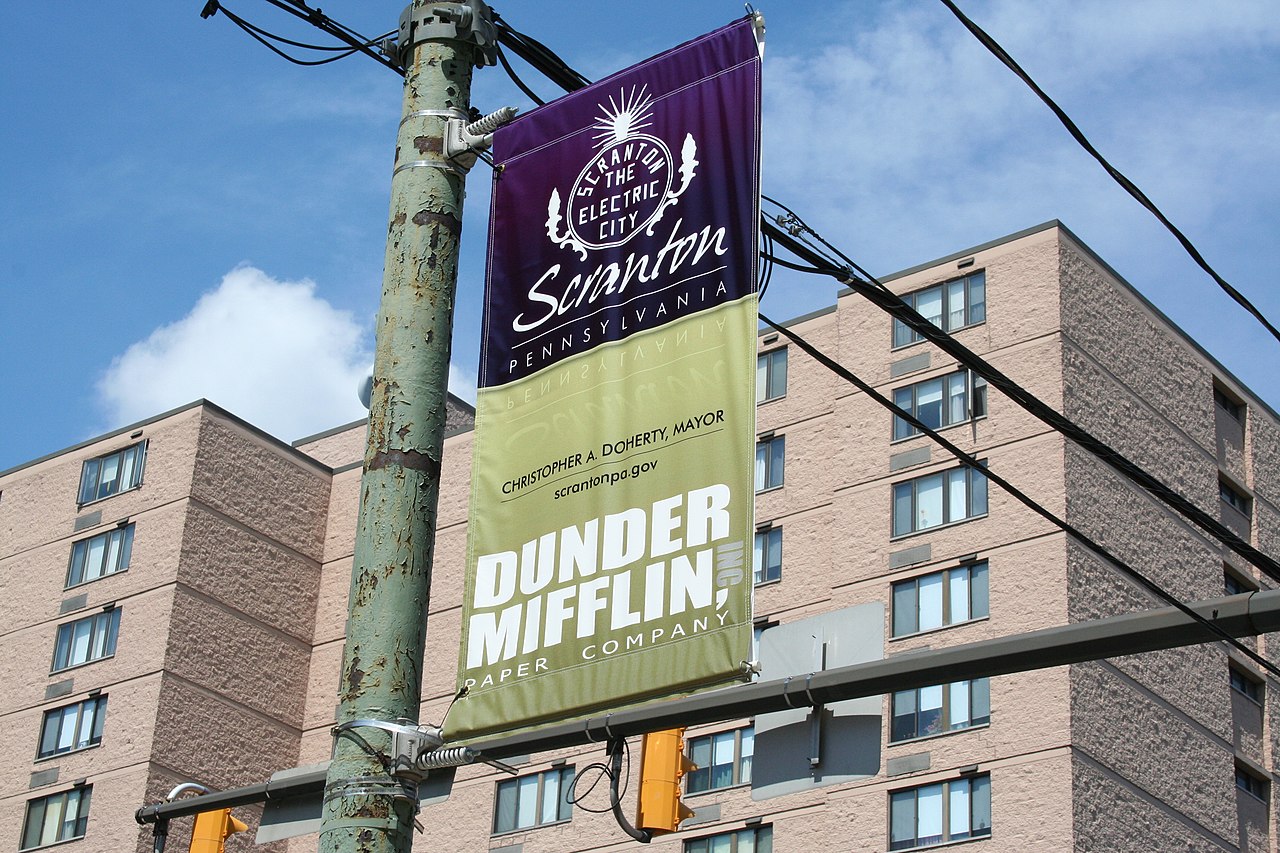




Format and style
The program is filmed as a single-camera mockumentary: it presents the characters as if observed by a documentary crew, with handheld cameras, direct-to-camera interviews ("talking heads"), and momentary glances to the camera that contribute to its comedic tone. This documentary conceit shapes both the pacing and the humor, allowing awkward silences and small gestures to carry meaning. The show typically avoids a laugh track and relies on character-driven situations and timing.
Characters and cast
Central figures include the well-meaning but often inappropriate regional manager, the ambitious salesman, and a core ensemble of coworkers whose relationships and personal growth form the series' emotional backbone. Notable roles made widely familiar in popular culture: the bumbling manager, the prankster salesman and his love interest, and a rigid assistant who provides much of the show’s comic conflict. Performances from the principal cast helped the series become a vehicle for character-based comedy and long-form development across seasons.
Origins and production
The American series is explicitly based on a British original produced by the BBC, adapted to an American workplace and sensibility. The setting in Scranton, Pennsylvania was chosen to evoke a working-class, post-industrial Northeastern town, and location references and local color contributed to its regional identity. Over its run, the show evolved from closely following the original premises to forging its own narrative arcs and tonal shifts under the guidance of its creative team.
Reception, impact and legacy
Critics and audiences praised the series for its sharp writing, naturalistic performances, and ability to balance cringe comedy with moments of genuine feeling. It influenced later workplace comedies and remains a point of reference in popular culture for its memorable lines, recurring bits, and character archetypes. The program generated webisodes and extra content during its broadcast and has continued to find new viewers through streaming and syndication, contributing to ongoing discussion about workplace dynamics and television comedy.
Notable episodes and distinctions
- Early episodes established the show's tone with awkward social experiments and office rituals.
- Several installments are frequently cited for both comedy and emotional payoff; these episodes helped define key character relationships and turning points.
- The series is often compared to its British predecessor for differences in length, character development, and tonal range; the American version expanded into a longer-running ensemble narrative.
For background on the adaptation process and production credits, readers may consult materials about the show's development and creator interviews (American adaptation) or network press information on NBC. Archival and fan resources also document episode lists and behind-the-scenes details (BBC original, awards).
Related articles
Author
AlegsaOnline.com The Office (American TV series) Leandro Alegsa
URL: https://en.alegsaonline.com/art/98547