
The Master of Disguise (2002) — overview, reception, and legacy
A family-oriented 2002 comedy starring Dana Carvey about a man who uses elaborate disguises. The film was commercially modest but critically panned and received a Razzie nomination for Bo Derek.
Overview
The Master of Disguise is a 2002 feature film that stars comedian Dana Carvey. Presented as a broad, family-friendly comedy, the movie centers on a protagonist who uses an extraordinary talent for disguises to confront adversaries and unravel a family mystery. It was marketed on the strength of Carvey's celebrity impressions and clowning, and aimed to appeal to children and adults looking for light, gag-driven entertainment. For more on the star, see Dana Carvey.
Image gallery
1 Image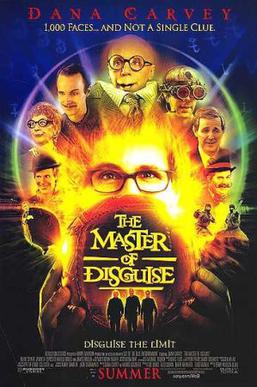
Premise
At its core the film follows a likeable but unassuming hero who discovers a generational ability to assume convincing alter egos through costume, makeup, and comic mimicry. The narrative strings together a series of set-piece transformations and pratfalls that showcase the central conceit: disguise as both a plot device and a source of visual humor. The tone is deliberately cartoonish, relying on visual jokes, quick-change routines, and playful villainy rather than realistic drama.
Cast and key contributors
- Dana Carvey — lead performer and the film's comic centerpiece. (more)
- Bo Derek — credited supporting performer; her role later attracted a Razzie nomination. (about Bo Derek)
- Additional supporting actors and cameo appearances round out the ensemble; the film leans on broad stock characters rather than deep development.
Release and reception
The film opened in 2002 and, while it recouped its production cost and found an audience among families, it did not fare well with professional critics. Reviews described the humor as uneven and heavily dependent on sight gags and impersonations. Aggregate scores reflected that critical view: the title holds an extremely low percentage on review aggregators such as Rotten Tomatoes. Contemporary coverage of the film's critical response is summarized in period reviews and entertainment roundups (critical reviews).
Accolades and criticisms
As with many widely panned comedies, The Master of Disguise drew negative attention during awards season: Bo Derek received a Golden Raspberry nomination for Worst Supporting Actress, though she did not 'win' the Razzie. Details of that nomination and the broader Razzie context are noted in coverage of the year’s least-favored films (Razzie nomination).
Legacy and context
Today the film is often referenced as an example of early-2000s family-comedy filmmaking that prioritized gags over character depth. It remains a touchstone in discussions of celebrity-driven vehicles, and some viewers appreciate it as an unapologetically silly, nostalgia-tinged comedy. For readers seeking deeper background or primary sources, reviews and archival interviews remain useful starting points (reviews, ratings).
Notable facts
- Marketed largely on Dana Carvey's comedic persona and impersonation skills.
- Critically panned but managed to attract a family audience on release.
- Received at least one Golden Raspberry nomination for a supporting performer.
Related articles
Author
AlegsaOnline.com The Master of Disguise (2002) — overview, reception, and legacy Leandro Alegsa
URL: https://en.alegsaonline.com/art/98437
Sources
- boxofficemojo.com : "The Master of Disguise (2002)"
- rottentomatoes.com : "The Master of Disguise (2002)"
- razzies.com : "The 23rd Annual RAZZIE AWARDS®"