
The Jeffersons (American sitcom)
American sitcom (1975–1985) about George and Louise Jefferson, an upwardly mobile African-American couple in New York City; a spin-off of All in the Family noted for themes of race, class and representation.
Overview
The Jeffersons is an American television sitcom that follows George and Louise Jefferson, an African-American couple who move into an upscale Manhattan apartment after finding business success. The series premiered in 1975 as a spin-off of All in the Family and ran through 1985. The show is widely remembered for its upbeat theme song, the catchphrase about "movin' on up," and for bringing discussions of race, class and urban life into mainstream network comedy. For an overview and episode listings see series overview.
Image gallery
4 Images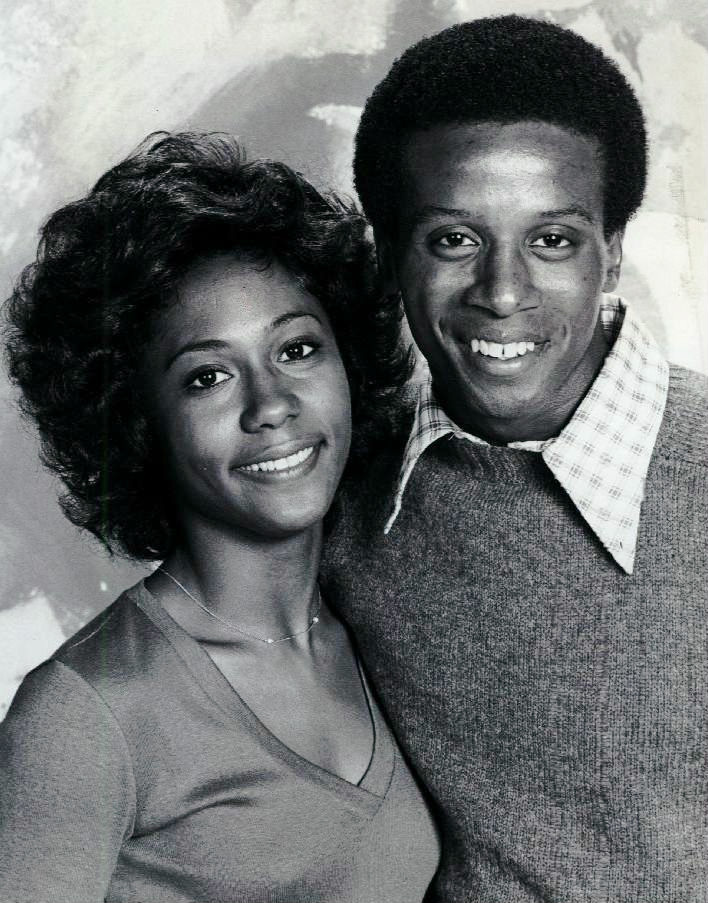


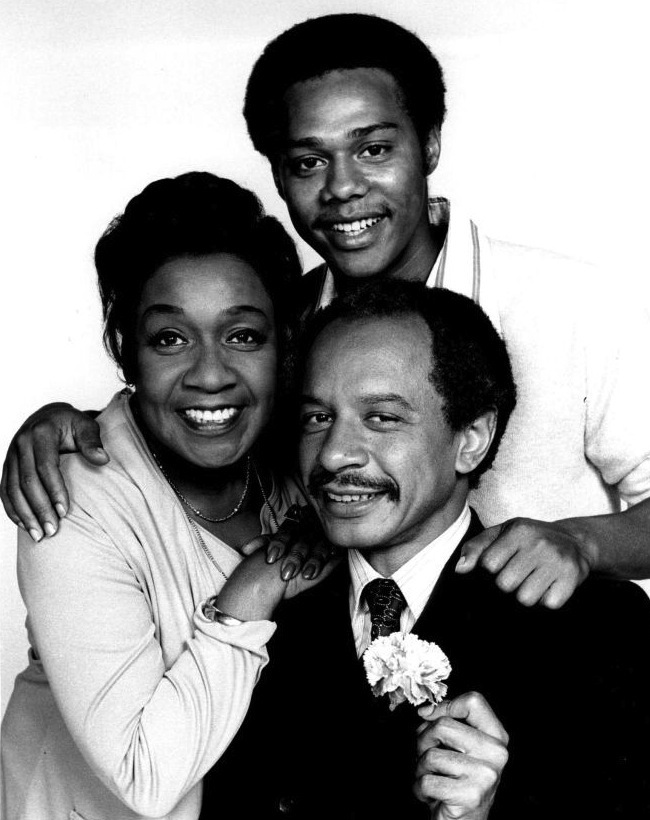
Main characters and format
The programme centers on George Jefferson, an outspoken and proud entrepreneur, and his wife Louise, who is practical and grounded. The household also features their building staff and neighbors, including a sharp-tongued housekeeper whose banter with George provided much of the series' comedic tension. An important recurring storyline involved an interracial couple living nearby, which the show used to examine changing social attitudes. Standard episodes ran about a half hour and combined domestic comedy with occasional serious moments. Cast and episode information is available at cast and episodes.
Production and broadcast history
Created during a period of significant change in American television, the series was produced by a company associated with several influential sitcoms of the era. It developed from a supporting role on an earlier show into one of the most successful spin-offs of its time, sustaining a prime-time slot for more than a decade. The program reached an extended audience through network broadcasts and later through syndication and reruns. Additional production notes and archival materials can be consulted at production resources.
Themes and cultural impact
Beyond its comedic surface, the series frequently addressed upward mobility, neighborhood relations, gender roles and race relations in an urban setting. It was notable for featuring a predominantly African-American principal cast at a time when such representation was far less common on network television. The show contributed to broader conversations about representation, aspiration and class in the United States, and it remains a reference point in studies of television history and popular culture. Scholarly and popular discussions are collected at cultural analysis.
Reception, controversies and legacy
The series received a mix of popular acclaim and occasional criticism. Viewers praised its humor and memorable characters, while some commentators debated particular portrayals and storylines. Over time the program has been reassessed as an important cultural artifact: it helped launch and sustain careers for several actors, introduced phrases and motifs into the public vocabulary, and left a lasting impression on how sitcoms could address social topics. Retrospectives and rebroadcasts have kept interest in the show alive.
Availability and further reading
Episodes and compilations have circulated in syndication and on home video, and the series continues to be cited in histories of television comedy and representation. For viewers and researchers seeking detailed episode guides, cast biographies and production background, the linked resources above provide starting points. The show's combination of domestic comedy with social commentary offers a useful case study in how popular entertainment can reflect and shape conversations about race and class.
- Notable elements: memorable theme song, recurring catchphrases and strong ensemble performances.
- Context: part of a broader 1970s trend toward socially aware situation comedies.
- Legacy: remains a frequent subject in television history and cultural studies.
Related articles
Author
AlegsaOnline.com The Jeffersons (American sitcom) Leandro Alegsa
URL: https://en.alegsaonline.com/art/98236