
The Invisible Woman (2013 film)
British period drama (2013) directed by Ralph Fiennes, adapted from Claire Tomalin's biography; examines Charles Dickens's secret relationship with Nelly Ternan and issues of reputation in Victorian society.
Overview
The Invisible Woman is a British period drama completed in 2013 that dramatizes the concealed relationship between the novelist Charles Dickens and the actress Ellen "Nelly" Ternan. The film was directed by Ralph Fiennes, who also portrays Dickens. It is adapted from the widely cited biography by Claire Tomalin and explores the emotional consequences of a long secret affair set against the constraints of Victorian respectability. For notes on Fiennes's dual role see director and actor notes.
Image gallery
2 Images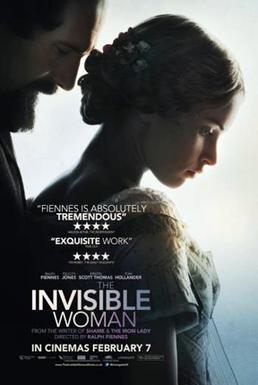
Plot summary
The narrative alternates between later years and flashbacks to the time when Dickens met the young actress. It follows the development of an intimate but hidden relationship, the protective measures taken by those involved to preserve social standing, and the tensions that arise when private attachments meet public expectation. The film emphasizes personal sacrifice and the impact of secrecy on the lives of the people closest to Dickens, particularly the two women who feature centrally in the story. More on the character of Nelly Ternan is available here.
Cast and creative team
- Ralph Fiennes as Charles Dickens — director and lead actor; his interpretation foregrounds the conflict between public persona and private longing. Background on the casting and direction can be found here.
- Felicity Jones as Ellen "Nelly" Ternan — the younger actress whose relationship with Dickens is central to the drama; the role received attention for its restraint and emotional clarity (role details).
- Kristin Scott Thomas as Catherine Ternan (often identified in discussions as Catherine Dickens in relation to family dynamics) — her performance represents the domestic and social consequences of the affair; more cast information is available here.
- The screenplay was written by Abi Morgan and draws on Tomalin's research to shape a dramatic narrative; notes on the adaptation are provided here.
Historical basis and adaptation
The film is grounded in a well-known biography that renewed attention to Dickens's private life, especially his relationship with Nelly Ternan. The filmmakers used the biography as a starting point, making interpretive choices about which episodes to dramatize and which silences in the historical record to leave ambiguous. This approach is characteristic of adaptations that must balance documented fact with the demands of storytelling; interviews and production background discuss those choices in detail at additional resources.
Themes and critical response
Major themes include secrecy and reputation, gender and power in the Victorian era, and the personal costs of maintaining a public image. Critics commonly highlighted the performances—particularly those of Jones and Scott Thomas—and praised the film's subtle handling of an ethically complicated liaison. Responses noted the film's restrained tone and period atmosphere; contemporary reviews and critical analysis can be consulted here.
Release and legacy
The Invisible Woman was completed in 2013 and reached cinemas and festivals thereafter, with theatrical releases beginning in early 2014 in the United Kingdom and the United States. Beyond its immediate reception, the film contributed to discussions about how biographical films influence public understanding of historical figures and how dramatizations treat gaps in the archival record. For release information and screening history see release details.
Related articles
Author
AlegsaOnline.com The Invisible Woman (2013 film) Leandro Alegsa
URL: https://en.alegsaonline.com/art/98220