
The finger (middle finger salute): meaning, history and cultural notes
An overview of the middle finger gesture—meanings, origins in antiquity, social and legal aspects, variations and how interpretation depends on context and culture.
Overview
The phrase "the finger," commonly called the middle finger or "flipping the bird," refers to raising the extended middle finger of one hand as a nonverbal sign. In many places it is used as an insult or expression of contempt, although the tone can range from playful to aggressive depending on relationship and setting. The gesture is a compact form of communication that relies on shared cultural knowledge and situational cues. For further background see reference.
Image gallery
7 Images

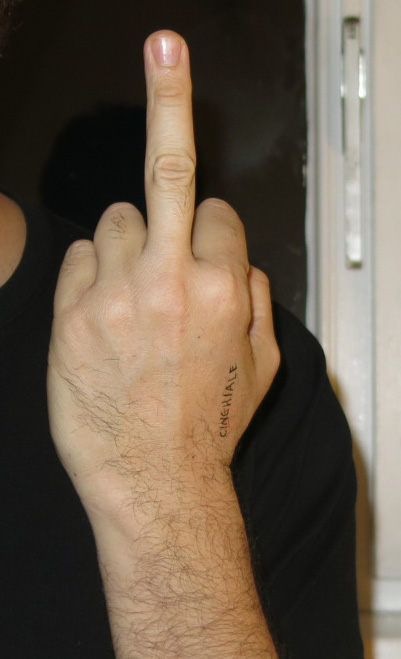



Meaning and common uses
Most often the gesture conveys hostility, dismissal, or defiance — roughly equivalent to a short, crude verbal insult. In informal contexts among friends it can be used teasingly or jocularly. Because nonverbal signals lack words, their interpretation depends strongly on facial expression, posture and prior interaction. Media coverage and social media have amplified both its visibility and debates about acceptable use. Related discussion appears in reference.
History and symbolism
The gesture has deep historical roots. Writers and historians trace forms of the middle-finger sign back to classical antiquity. In ancient Greece and Rome it was recorded as a representation of the phallus, used to insult or humiliate an opponent; surviving texts and inscriptions document such usages. Ancient contexts and scholarly summaries are discussed in sources like reference and reference.
Variations and similar gestures
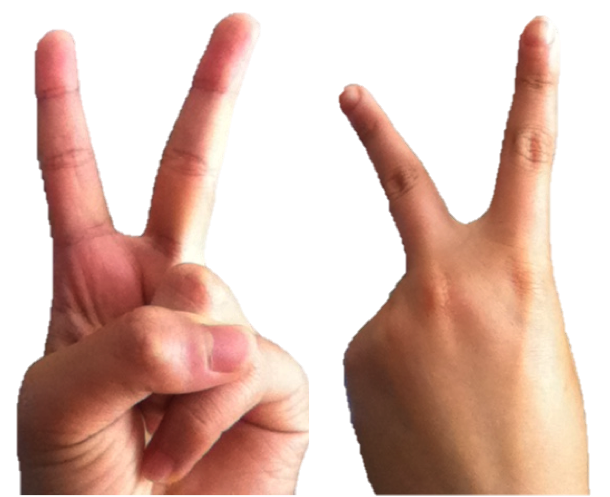
- Different cultures have alternative insulting gestures (for example, the reversed V-sign in some countries).
- Other hand gestures carry distinct meanings and should not be conflated with the middle finger.
- Intent, repetition and the presence of other people affect whether a gesture is seen as humorous, rude, or provocative; see comparative notes at reference.
Legal and social considerations
Because the middle finger is an explicit sign of contempt, its use can have social or legal consequences. In certain situations it has figured in disputes, traffic altercations, workplace disciplinary actions, and even court cases about free expression, when judged alongside local norms and laws. Advice for managing conflict often recommends avoiding provocative gestures to prevent escalation; legal commentaries are available at reference.
Notable facts and etiquette
Despite its coarse reputation, the gesture persists because it is simple, instantly recognized and emotionally direct. Etiquette guides emphasize awareness of audience: what might be banter among friends can be offensive in public, in professional contexts, or across cultural boundaries. Understanding the gesture requires attention to history, intent and setting rather than assuming a single universal meaning.
Related articles
Author
AlegsaOnline.com The finger (middle finger salute): meaning, history and cultural notes Leandro Alegsa
URL: https://en.alegsaonline.com/art/97980