
Phallus: anatomical organ and symbolic form
A phallus can be the erect penis or any penis-shaped object or image that functions symbolically. This article explains meanings, cultural history, uses in ritual and art, and distinctions from the biological penis.
Overview
The term phallus is used in two related senses. In everyday anatomy it often denotes an erect penis; in cultural, religious, or artistic contexts it refers to any object or representation that resembles a penis and functions as a symbolic marker. The adjective phallic describes objects or imagery that evoke this shape or its associations.
Image gallery
10 Images


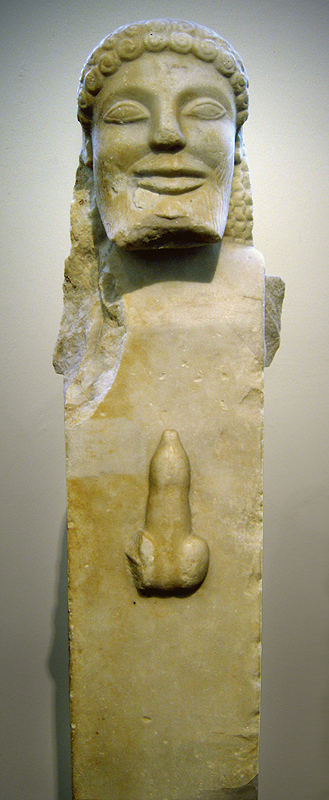


Forms and contexts
Phallic forms range from anatomical depictions to manufactured items and stylized icons. Examples include sexual implements such as a dildo, sculptural or architectural shapes, carved amulets, and ritual objects. In literature and visual art the phallus can be literal or metaphorical, standing for potency, fertility, creation, or dominance.
Common contexts where phallic imagery appears:
- Religious iconography and ritual objects.
- Fertility rites and talismans meant to encourage growth or protection.
- Art, satire, and political commentary as a symbol of power or taboo.
- Sexual devices and erotic representation.
History and cultural significance
Phallic imagery has a long and widespread presence in human societies. In some ancient cultures sculpted or painted phalli were associated with fertility deities or household protection. South Asian traditions include the lingam, a cylindrical form that represents divine creative force and is often paired with a complementary symbol. Classical Mediterranean cultures produced gods and figures manifesting phallic attributes linked to fecundity and guarding power. In many places, festivals or processions involving exaggerated phallic objects have persisted into the modern era as communal or devotional events.
Uses, meanings, and modern developments
Meanings attached to the phallus vary by culture and context: it can signify biological procreation, masculine identity, virility, or social authority. In modern art and architecture critics sometimes use the term phallic to discuss forms that evoke vertical, protruding shapes, from obelisks to certain skyscrapers. Contemporary discussions in gender studies and queer theory examine how phallic symbolism relates to power structures, gendered norms, and sexual representation.
Scholarly approaches and distinctions
Scholars distinguish the phallus as a cultural or symbolic category from the penis as a biological organ. In psychoanalytic and critical theory the phallus has been used metaphorically to explore signifiers of authority, desire, or lack; notable theorists have debated and refined these concepts. Anthropologists and historians treat phallic objects in relation to ritual practice, material culture, and changing interpretations rather than assuming a single universal meaning.
Notable facts and careful points
Although an erect penis is often called a phallus, the term carries broader symbolic baggage beyond anatomy. Discussions of phallic imagery touch on religion, identity, and social values, and can be sensitive in some settings. For basic anatomical reference the phrase erect penis is literal; for sexual response the term may appear alongside subjects such as male orgasm when addressing physiology or erotic practice.
Questions and answers
Q: What does the term "phallus" refer to?
A: The term "phallus" refers to an erect penis, a penis-shaped object such as a dildo, or a mimetic image of an erect penis.
Q: Can any object that symbolically resembles a penis also be referred to as a phallus?
A: Yes, any object that symbolically resembles a penis can be referred to as a phallus, or as being phallic such as a phallic symbol.
Q: What do the symbols of the phallus represent?
A: The symbols of the phallus represent the fertility associated with the male sexual organ and the male orgasm.
Q: Is the phallus only associated with the male sexual organ?
A: Yes, the phallus is only associated with the male sexual organ.
Q: Why do some people use phallic symbols?
A: Some people use phallic symbols to evoke a sense of power, fertility, or sexuality.
Q: Are there any other terms that are commonly used to describe a penis-shaped object?
A: Dildo is another commonly used term to describe a penis-shaped object.
Q: References to the phallus are typically associated with which gender?
A: References to the phallus are typically associated with men or masculinity.
Author
AlegsaOnline.com Phallus: anatomical organ and symbolic form Leandro Alegsa
URL: https://en.alegsaonline.com/art/76328
Sources
- news.bbc.co.uk : "Ancient phallus unearthed in cave"
- newadvent.org : "Ammon"
- 1911encyclopedia.org : "Priapus"