
The Exorcism of Emily Rose (2005) — film overview and context
2005 horror-drama directed by Scott Derrickson that mixes courtroom procedure with supernatural horror. Stars Jennifer Carpenter, Laura Linney and Tom Wilkinson; loosely inspired by a real-life exorcism case.
Released in 2005, The Exorcism of Emily Rose is a hybrid horror-drama that pairs supernatural elements with a courtroom narrative. Directed by Scott Derrickson, the film centers on the trial of a priest accused of negligent homicide after performing an exorcism. The story alternates between chilling sequences of supposed possession and tense legal scenes that probe faith, responsibility, and the limits of medical science.
Image gallery
3 Images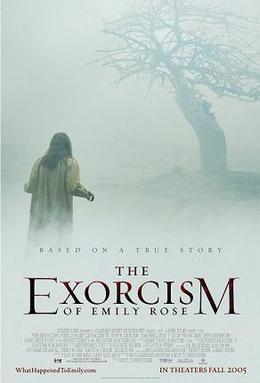


Cast and characters
- Jennifer Carpenter as the young woman at the film's center (Emily Rose).
- Laura Linney as the defense attorney who must frame conflicting explanations.
- Tom Wilkinson as the priest on trial.
- Mary Beth Hurt and other supporting performers in family and expert roles.
The narrative is deliberately equivocal: it presents both religious and medical viewpoints without forcing a single explanation. Visual and sound design emphasize dread during the possession scenes, while the courtroom passages lean on testimony, expert witnesses and ethical debate.
Origins and development
The screenplay draws inspiration from well-known 20th-century cases of alleged possession and exorcism, adapting those themes into a contemporary legal drama. Filmmakers framed the plot to question how secular institutions handle phenomena that many people interpret as spiritual or supernatural.
Reception and impact
Critics and audiences responded with mixed opinions: some praised the film's attempt to merge two genres and its performances, while others found the shifts in tone uneven. It sparked discussion about the responsibilities of clergy, the role of mental health diagnosis, and how popular culture treats purported miracles and miracles' consequences.
Today the film is often cited as an example of genre blending in horror cinema, notable for using a courtroom structure to explore belief, doubt and accountability rather than relying solely on jump scares. For readers interested in critical debates the movie raises, the production is a useful starting point for conversations about faith, law and medicine.
Related articles
Author
AlegsaOnline.com The Exorcism of Emily Rose (2005) — film overview and context Leandro Alegsa
URL: https://en.alegsaonline.com/art/97932