
The Deer Hunter (1978 film) — overview, themes, and legacy
Comprehensive article on The Deer Hunter (1978), a Vietnam-era American war drama directed by Michael Cimino: plot, principal cast, awards, controversies, and its cultural legacy.
Overview
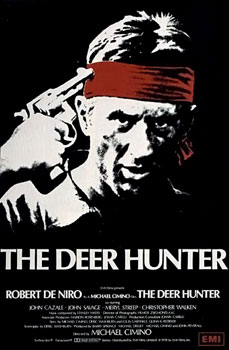
The Deer Hunter is a 1978 American war drama directed by Michael Cimino. Set between 1967 and 1975, the film follows a group of friends from an industrial town in western Pennsylvania and traces how military service in the Vietnam conflict affects them and their community. The picture became a major part of late 1970s American cinema and is often discussed for its ambition, emotional intensity, and controversial sequences.
Image gallery
4 Images


Setting, plot and characters
The story moves between three principal stages: life at home before deployment, experiences in Vietnam, and the difficult homecomings that follow. The Pennsylvania hometown—characterized by steelwork, hunting traditions, and close-knit social bonds—is central to the film's early scenes; see Pennsylvania setting. The war-related sections dramatize combat and captivity against the broader backdrop of the Vietnam War, while the concluding segments examine trauma, loss, and dislocation.
Principal cast and production
- Directed by Michael Cimino; screenplay credit shared with collaborators.
- Notable cast members include Robert De Niro, Christopher Walken, John Savage, Meryl Streep, and John Cazale.
- The film blends intimate domestic scenes with stark wartime episodes, using extended takes and stage-like set pieces to build atmosphere.
Themes and critical reception
The Deer Hunter explores friendship, masculinity, ritual (hunting and working-class rites), and the psychological costs of combat. Critics and viewers have praised its emotional power and technical craft while also debating its historical accuracy and some dramatic devices. Over time it has been analyzed both as a landmark example of New Hollywood filmmaking and as a work that provoked strong arguments about representation and memory.
Awards, recognition and legacy
The film received major awards and nominations: it won five Academy Awards, including Best Picture and Best Director, and earned nominations from international bodies such as the BAFTA for its screenplay. The American Film Institute later listed it among significant American movies (AFI ranking), and in 1996 it was selected for preservation in the United States National Film Registry by the Library of Congress, a recognition of its cultural, historical, or aesthetic significance.
Controversies and notable facts
Some of the film's most discussed elements—especially certain depictions of torture and the portrayal of prisoners—sparked controversy on release and remain subjects of debate among historians and critics. Despite disputes, the film's influence on later portrayals of war and its place in the cinematic conversation about the Vietnam era are widely acknowledged.
Related articles
Author
AlegsaOnline.com The Deer Hunter (1978 film) — overview, themes, and legacy Leandro Alegsa
URL: https://en.alegsaonline.com/art/97868