
BBC News (TV channel)
UK public-service rolling news channel run by the BBC; launched in 1997 as BBC News 24 and rebranded in 2008. Provides continuous live coverage, national bulletins and integration with online news services.
Overview
BBC News is the BBC's domestic 24-hour television news channel, operated by the broadcaster's BBC News division. It delivers continuous live coverage of breaking news, in-depth reports, interviews and short bulletins intended primarily for audiences in the United Kingdom. The channel began transmission on 9 November 1997 as BBC News 24 and was renamed BBC News on 21 April 2008 as part of a wider visual and organisational refresh.
Image gallery
3 Images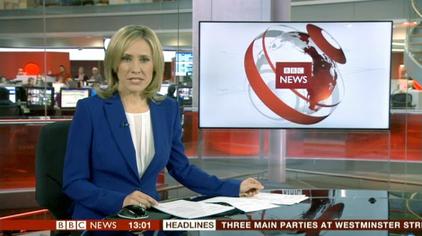

Programming and features
The channel mixes rolling live coverage with scheduled bulletins and specialist strands. Typical elements include short top-of-hour news summaries, live cross‑region reports, business and sports updates, and longer interviews or analysis during peak hours. Programming tools and facilities used by the channel include studio presentations, on-site correspondent feeds and remote interviews.
- Short headline bulletins and extended live reports
- Specialist segments: business, health, science and regional news
- Breaking news runs and live parliamentary or major-event coverage
Availability and platforms
In the UK the channel is available free-to-air across digital terrestrial, cable and satellite platforms and through online streams provided by the BBC. Viewers can access schedules, clips and simulcasts via the broadcaster's web services and digital apps. For channel and programme information see the official channel pages: BBC News channel page and the BBC's main site: BBC online.
History, funding and editorial remit
As a public-service broadcaster, the channel is funded by the UK television licence fee and operates under the BBC's editorial guidelines, which emphasise impartiality and accuracy. It is distinct from the BBC's international offering, which is provided by BBC World News and carries a different funding and commercial model. Over time the UK news channel has adapted to digital consumption by integrating television output with online articles and video on demand.
Tags
Related articles
Author
AlegsaOnline.com BBC News (TV channel) Leandro Alegsa
URL: https://en.alegsaonline.com/art/9743