
Bayou La Batre, Alabama
Coastal city in Mobile County, Alabama, known for its seafood industry, ship repair yards, and diverse fishing community. Part of the Mobile metropolitan area with a long maritime history and hurricane resilience.
Overview
Bayou La Batre is a small coastal city on Alabama's Gulf Coast, located in Mobile County, Alabama, in the United States. It is part of the Mobile metropolitan area and has been identified in federal counts such as the 2000 census. Historically and today the settlement's identity is tied to the bayou and the seafood economy: commercial fishing, seafood processing, and small shipyards are characteristic of the town.
Image gallery
5 Images



Geography and characteristics
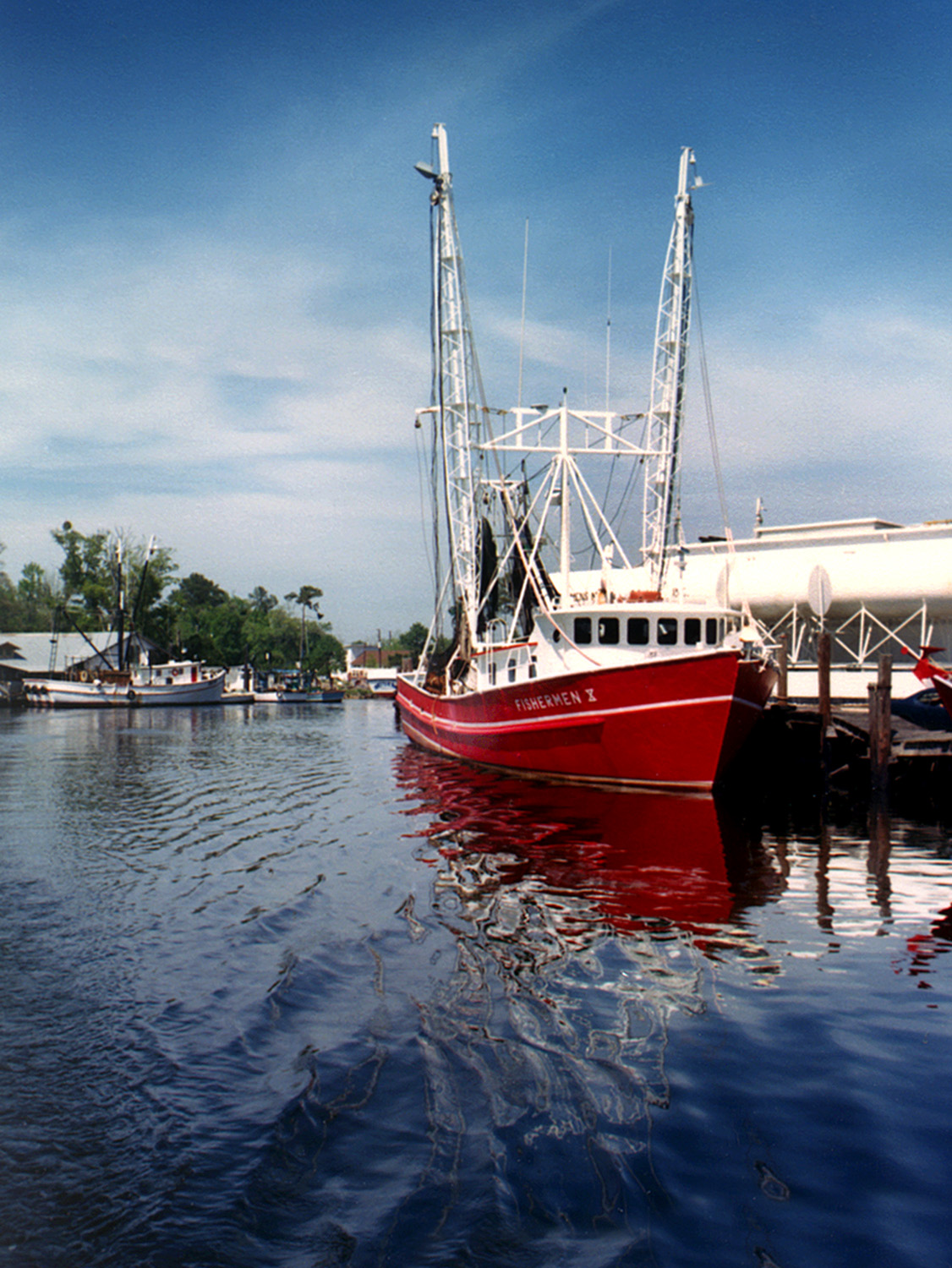
The city lies at the mouth of a tidal channel and has docks, seafood processing plants, and a waterfront lined with workboats. Its shoreline position gives it access to Gulf waters and nearby fishing grounds. The local landscape combines industrial slips, low-lying residential neighborhoods, and waterfront streets where fisheries and boat repair facilities operate side by side.
Economy and industries
Bayou La Batre's economy centers on maritime activities. Key sectors include:
- Commercial shrimping, crabbing and fishing fleets.
- Seafood processing and distribution businesses.
- Shipbuilding, maintenance and small-scale marine fabrication.
- Support services such as marine supply, net repair, and cold storage.
These activities draw seasonal work and sustained local employment. The town is often described as one of Alabama's primary seafood ports.
History and community
Settlement and growth followed maritime trade and fishing. Over time Bayou La Batre developed a diverse workforce, including families with deep local roots and later arrivals who came to work in the seafood industry. The community has a notable immigrant presence that contributed to local fishing fleets and shore-side enterprises. Census figures and federal estimates have tracked modest population changes; for example, earlier counts reported a population figure and later estimates reflected shifts related to economy and storm impacts (population, 2005 estimates). Formal statistics are produced by agencies such as the U.S. Census.
Notable facts and resilience
Bayou La Batre has attracted attention beyond the region because of its strong seafood identity, local boatbuilding skills, and cultural mix. Like many Gulf Coast communities it has faced hurricane damage and has undertaken rebuilding and adaptation efforts. Its waterfront businesses and residents continue to balance traditional maritime livelihoods with changing economic and environmental conditions.
Visiting and context
Visitors encounter a working harbor rather than a tourist waterfront: seafood docks, working vessels, and processing plants are prominent. The town's character is defined by the rhythms of fishing seasons and the practical infrastructure of a small Gulf port. For more detailed demographic, historical, or economic data consult regional and federal sources linked above.
Related articles
Author
AlegsaOnline.com Bayou La Batre, Alabama Leandro Alegsa
URL: https://en.alegsaonline.com/art/9709