
Teknaf — southernmost mainland subdistrict of Bangladesh
Teknaf is the southernmost mainland subdistrict of Bangladesh at the mouth of the Naf River, noted for its long beaches, coastal biodiversity, cross-border borderland role, fishing and tourism.
Overview: Teknaf (Bengali: টেকনাফ; pronounced Ṭeknaf) is a coastal subdistrict located at the extreme southern tip of mainland Bangladesh. Administratively it lies within the historic Chittagong Division and the country of Bangladesh. The area takes its name from the nearby Naf River, which forms the international boundary with Myanmar and defines much of Teknaf's geography. Offshore, St. Martin's Island lies farther south and is often associated with Teknaf as a nearby maritime attraction.
Image gallery
4 Images


Geography and environment
Teknaf occupies a narrow peninsula of sandy beaches, low hills and coastal forest. The long shoreline supports broad beaches and important nesting sites for sea turtles, while tidal creeks and mangrove patches in the estuary sustain fish and crustacean populations. Inland sections include reserved forest tracts and a mix of agricultural plots and fishing villages. The area experiences a tropical monsoon climate with a distinct wet season that shapes local livelihoods and ecosystems.
History and administration
The place-name derives from the Naf estuary, historically a route for small-scale trade and boat traffic between the Bay of Bengal and inland settlements. Today Teknaf functions as a local administrative center and transit point on the border with Myanmar. Its strategic location has shaped its governance, security concerns and cross-border interactions over time. The Bengali name and pronunciation are commonly used in official and local contexts; see the native script reference at Bengali name.
Economy and society
Fishing and small-scale agriculture remain economic mainstays, while tourism has grown because of the area's beaches, wildlife and access to nearby islands. Local communities operate boat services, guesthouses and beach-based businesses. Teknaf has also been affected periodically by regional displacement and humanitarian movements across the Naf River; the borderland role of the area has made it a focus for relief operations and international attention at times.
Ecology, conservation and tourism
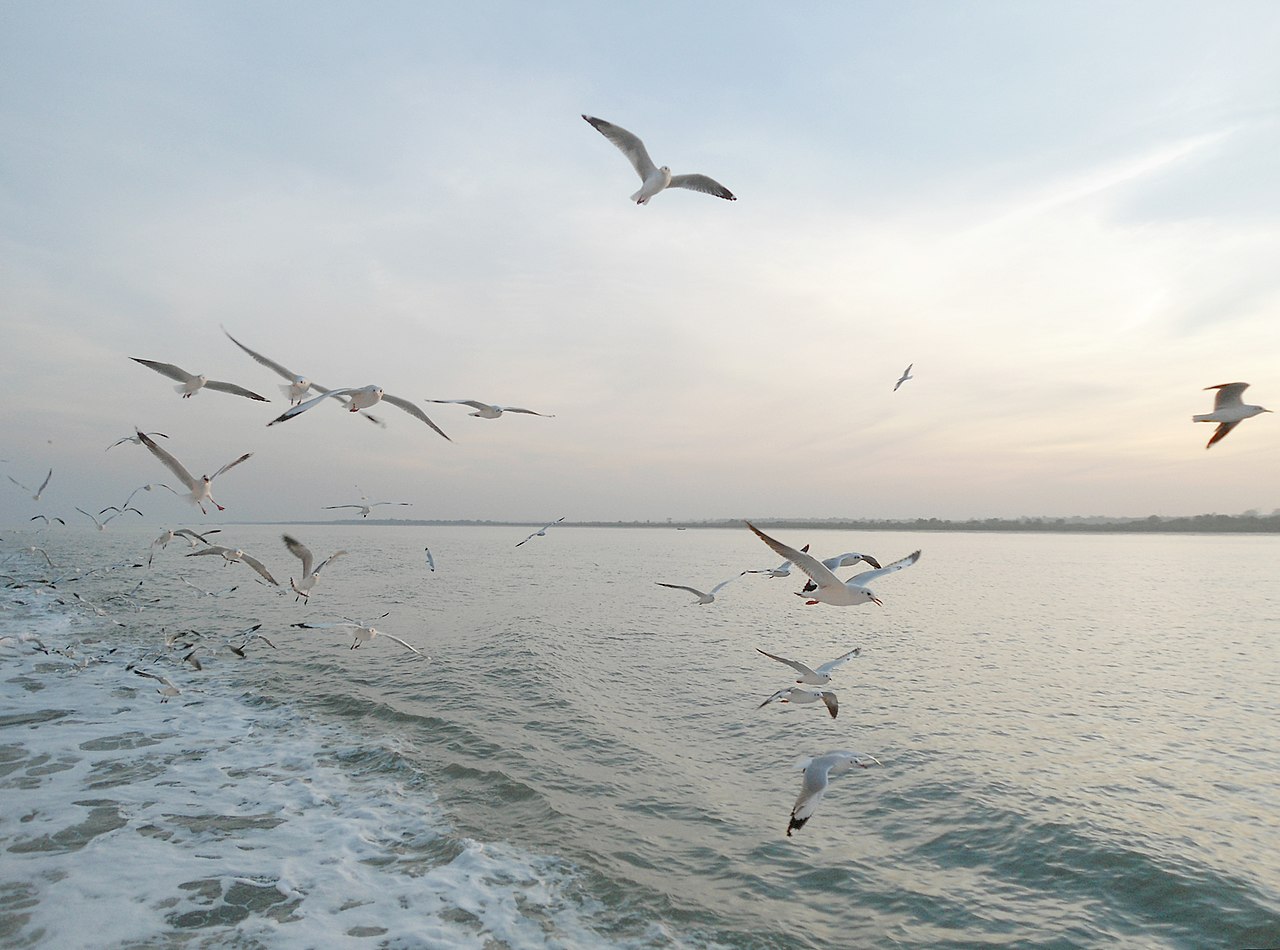
Teknaf's coastal habitats support a range of wildlife, including migratory birds and marine species. Conservation efforts and protected areas aim to balance local livelihoods with habitat protection. Visitors are drawn to long sandy beaches, boat trips, and the opportunity to observe coastal ecology. Responsible tourism and sustainable fishing are recurring themes in planning for the area's long-term resilience.
Notable distinctions
Teknaf is widely recognized as the southernmost point on Bangladesh's mainland and as a key gateway between the country and the maritime approaches to Myanmar. The Naf River, the coastal drive toward Cox's Bazar, and proximity to island destinations contribute to its regional importance for transport, commerce and conservation. For more context on the river that shapes Teknaf's identity, see Naf River.
Questions and answers
Q: What is Teknaf?
A: Teknaf is a thana of Cox's Bazar Thana in the Chittagong Division, Bangladesh.
Q: Where is Teknaf located?
A: Teknaf is located in the southernmost point in mainland Bangladesh.
Q: What is the name of the river that forms the Eastern boundary of Teknaf?
A: The name of the river that forms the Eastern boundary of Teknaf is Naf River.
Q: Which place is the southernmost point in Bangladesh?
A: St. Martin's Island is the southernmost point in Bangladesh.
Q: What does the name Teknaf mean?
A: The name of the region comes from the Naf River which forms the Eastern boundary of the thana.
Q: What district does Teknaf belong to?
A: Teknaf belongs to the Cox's Bazar district.
Q: In which division of Bangladesh is Teknaf located?
A: Teknaf is located in the Chittagong Division of Bangladesh.
Related articles
Author
AlegsaOnline.com Teknaf — southernmost mainland subdistrict of Bangladesh Leandro Alegsa
URL: https://en.alegsaonline.com/art/96784