
Bay of Plenty (New Zealand) — coastal bay and region
A coastal bay and adjoining administrative region on New Zealand’s North Island known for fertile land, ports, geothermal activity and Māori heritage; named by Captain Cook in 1769.
The Bay of Plenty is both a broad indentation on the northern coast of New Zealand’s North Island and the name of the surrounding administrative region. Located between major headlands and open Pacific waters, the area combines sheltered harbours, long beaches and fertile plains. The city of Tauranga is the region’s chief port and service centre, while smaller towns and inland centres support agriculture, tourism and cultural life. For regional context see this overview and for national context see New Zealand.
Image gallery
5 Images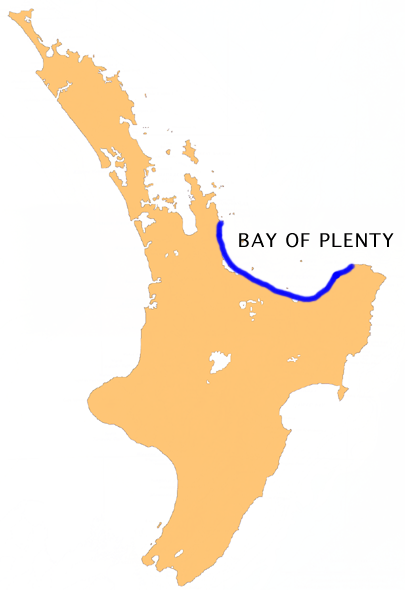



Geography and natural features
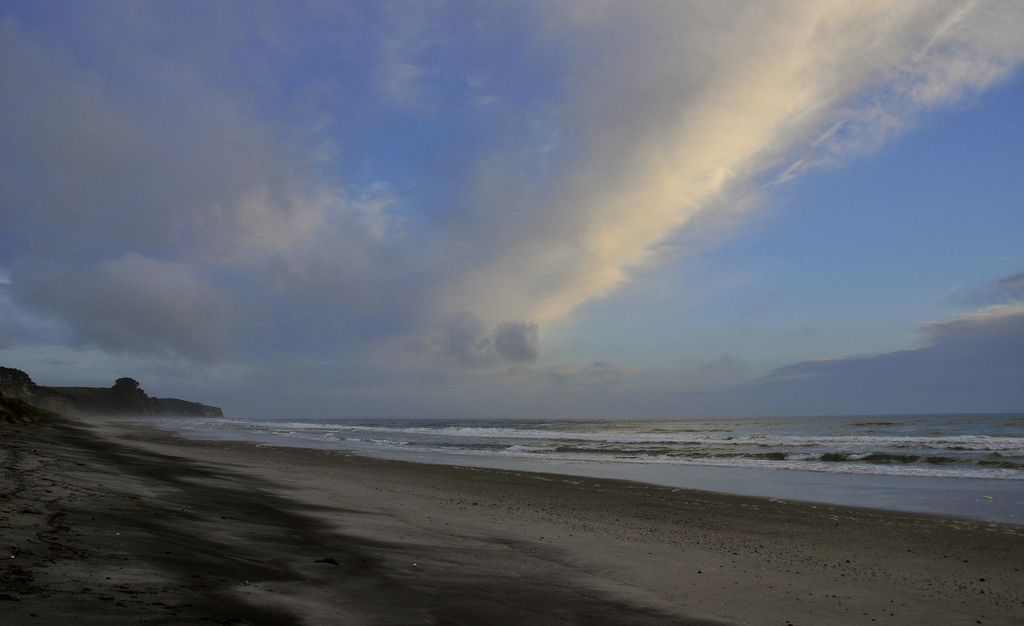
The bay’s coastline includes estuaries, harbours and offshore islands, and is backed by low coastal ranges and volcanic plateaus. Geothermal fields and volcanic cones occur inland; one of the best-known volcanic islands in the bay is Whakaari / White Island. Rivers draining the interior create alluvial plains that, together with mild maritime weather, make the district productive for horticulture and forestry.
History and name
The Māori name for the bay is Te Moana-a-Toi, referring to the ancestral figure Toi and the region’s long indigenous history of settlement, waka routes and resource use. The English name "Bay of Plenty" was applied by Captain James Cook after his voyage in 1769, a reflection of the abundant food and resources observed by European visitors.
Economy and uses
Modern activity centres on shipping, horticulture (notably fruit and vegetable production), aquaculture, and tourism. Ports in the bay handle export freight and passenger services; coastal and marine recreation — boating, fishing and diving — attract visitors. Geothermal energy and related industries are significant in nearby inland zones.
Settlements and distinctions
- Tauranga — major port and urban centre
- Whakatāne — coastal town with ferry links and cultural sites
- Rotorua — inland city notable for geothermal tourism (often associated with the wider region)
- Smaller communities such as Opotiki and Katikati
Notable distinctions include the difference between the geographic bay — the maritime feature — and the administrative Bay of Plenty Region, which extends inland to encompass rural catchments and geothermal landscapes. Conservation and sustainable management of marine and terrestrial resources are ongoing priorities, balancing economic use with cultural significance and environmental protection.
Related articles
Author
AlegsaOnline.com Bay of Plenty (New Zealand) — coastal bay and region Leandro Alegsa
URL: https://en.alegsaonline.com/art/9671
Sources
- teara.govt.nz : "Bay of Plenty"