
Tarzan (1966–1968 American television series)
1960s NBC TV adaptation of Edgar Rice Burroughs' hero, starring Ron Ely and produced by Sy Weintraub; modernized, two-season series notable for dropping Jane and emphasizing an educated, articulate Tarzan.
Overview
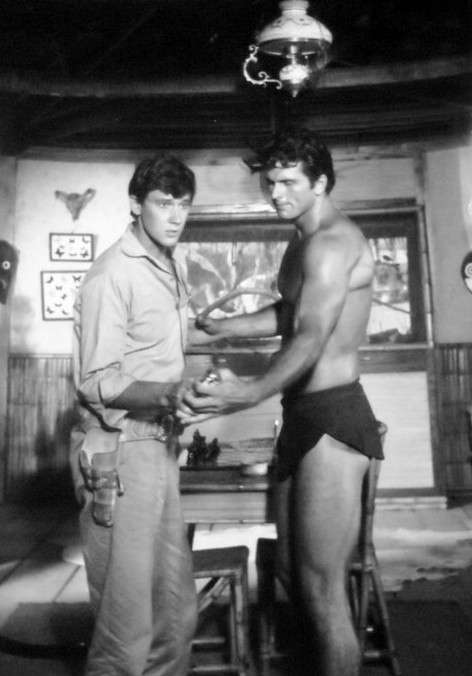
Tarzan was an American television series that aired on NBC from 1966 to 1968. The show starred Ron Ely in the title role, presenting a version of Tarzan who was literate, articulate and deliberately distanced from the stereotype of a primitive backwoodsman. Rather than a continuation of the earlier films, this adaptation sought a contemporary, more thoughtful interpretation of the character who chooses life in the jungle after rejecting aspects of modern civilization.
Image gallery
2 Images
Characteristics and format
The series was produced with an eye toward television drama of the 1960s: hour-long episodes, self-contained plots, and guest actors appearing in single-story arcs. It retained some familiar elements from previous adaptations—most notably the chimp companion often called Cheeta—while omitting others, such as the recurring character Jane. The producers emphasized adventure and human drama over romance, allowing the lead to be portrayed as a competent, educated man living among wildlife and indigenous communities.
Production and creative direction
Producer Sy Weintraub aimed for a "new look" for the property, striking a balance between respect for Edgar Rice Burroughs' original creation and the expectations of a 1960s television audience. The show was filmed and produced with the technical standards of network television at the time and made use of outdoor locations and studio sets to evoke the African environment. Its scripts typically blended action sequences with moral or social themes common to episodic series of the period.
Reception and legacy
Tarzan ran for two seasons before ending its original broadcast run in 1968. Although it did not become a long-running network staple, the series is remembered for changing the popular image of Tarzan into a more articulate and self-possessed figure. Reruns were later shown on CBS during the summer of 1969, helping to extend the program's audience beyond its initial run.
Notable distinctions
- Modernized portrayal: the title character was depicted as well-educated and reflective, unlike certain earlier cinematic versions.
- Character changes: Jane was absent as a recurring presence, signaling a deliberate creative break from classic film templates.
- Continuity with the Tarzan tradition: familiar motifs, such as animal companions and jungle adventure, were retained while narrative focus shifted.
For viewers and scholars of television history, the series represents an example of how established literary and film characters were adapted for network television in the 1960s: updated in tone, streamlined for episodic storytelling, and shaped by producers' efforts to refresh a well-known franchise for contemporary audiences. For more details about the production and cast, consult archival resources and retrospective accounts available from television history collections and fan sites.
Related articles
Author
AlegsaOnline.com Tarzan (1966–1968 American television series) Leandro Alegsa
URL: https://en.alegsaonline.com/art/96456